










There is a distinct difference between a workspace that merely functions and one that inspires. As a designer, I frequently walk into rooms where the furniture feels like an afterthought—cluttered, disconnected, and visually heavy. The challenge usually lies in balancing storage needs with the desire for a clean, breathable environment. If you are planning to invest in a new office desk and shelving setup, the goal is to create a cohesive vignette that serves your workflow without dominating the room's footprint.
Key Features to Look For
Before committing to a purchase, consider these core elements to ensure longevity and functionality. This checklist helps prioritize what actually matters in daily use:
- Vertical Clearance: Ensure adequate space between the desktop and the lowest shelf to accommodate monitors and prevent a cramped feeling.
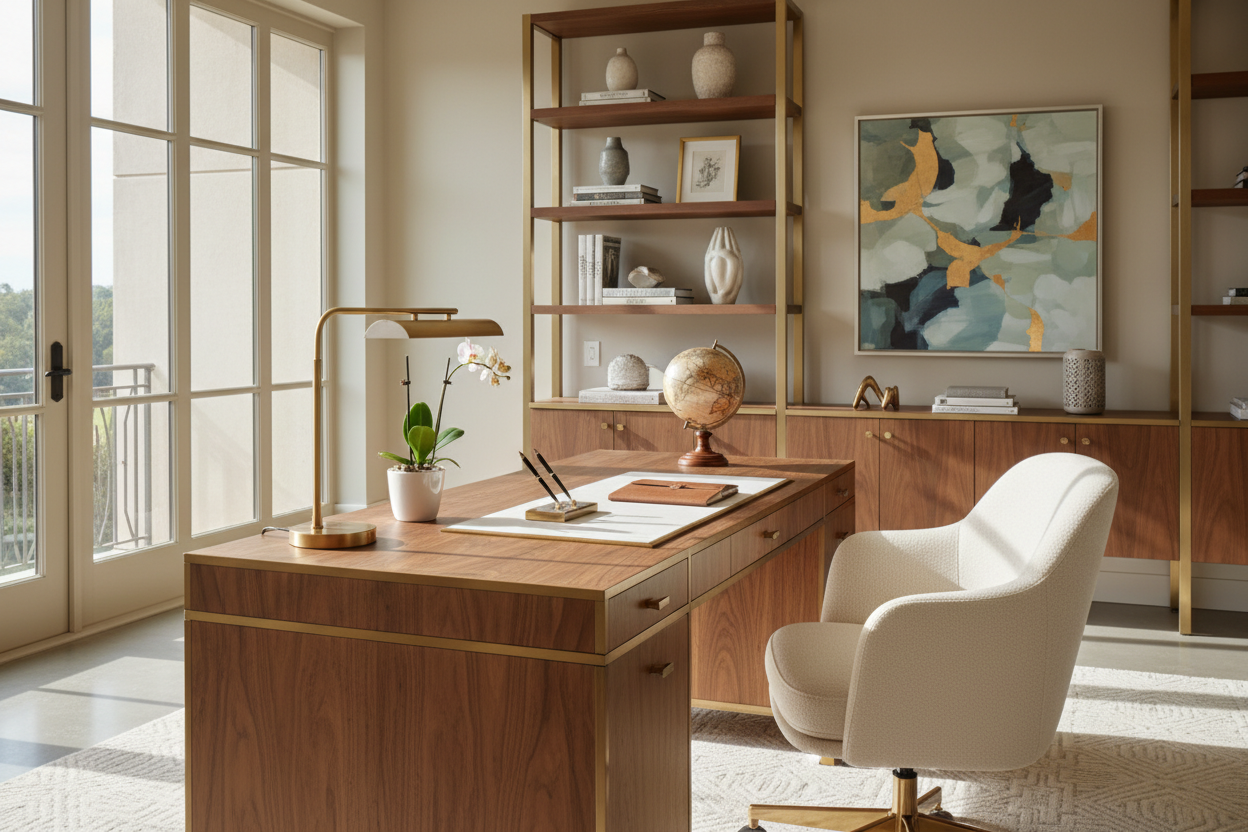
- Material Continuity: Look for consistent grain patterns or complementary finishes between the desk and shelf to reduce visual noise.
- Weight Capacity: Verify that shelving units can support heavy reference books or equipment, not just decorative items.
- Cable Management: Integrated grommets or hidden channels are essential for maintaining a clean aesthetic.
- Ergonomic Depth: The desk surface should be at least 24–30 inches deep to allow for proper screen viewing distance.
Choosing the Right Material Palette
The tactile experience of your workspace is just as important as the visual one. When selecting a home office desk and shelf combination, I always advise clients to look beyond the initial finish. Solid hardwoods like walnut or white oak offer durability and can be refinished over time, developing a patina that adds character.
Conversely, high-pressure laminates have improved significantly and offer resistance to heat and moisture, which is practical for heavy daily use. However, avoid low-grade particle board with thin veneers; these often peel at the edges within a year, creating a shabby aesthetic that degrades the room's value.
Space Planning and Visual Balance
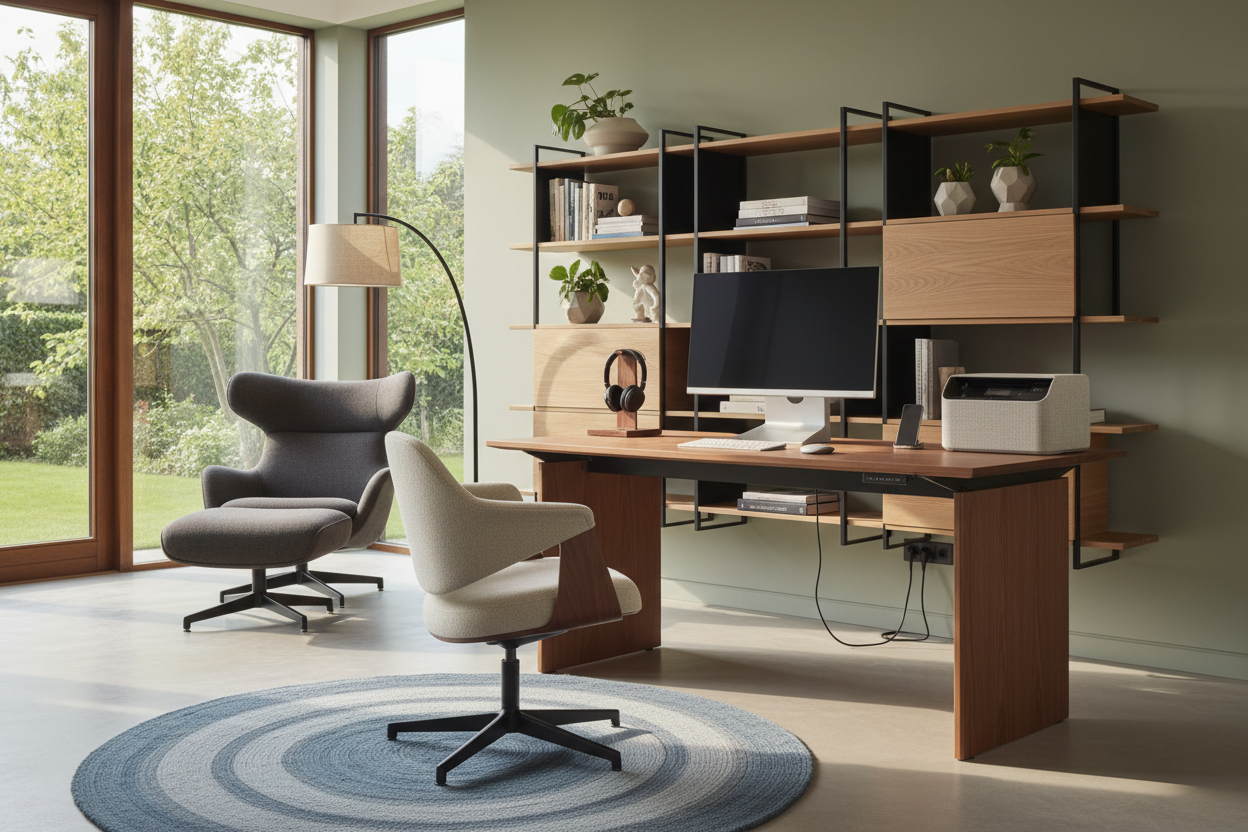
A common error is treating the desk and the shelving as two separate entities rather than a unified architectural element. When you are working with home office desks and shelves, consider the concept of negative space. Wall-mounted shelving above a floating desk creates an airy, modern silhouette that makes small rooms feel larger.
For larger executive spaces, a freestanding office desk with shelving acting as a room divider can establish a zone of privacy. The key is to ensure the shelving doesn't block light sources. If your desk faces into the room, place open shelving behind you to create a sophisticated video-call backdrop, curated with a mix of books, organic textures, and personal artifacts.
Ergonomics Meets Aesthetics
Design is futile if it causes physical strain. The relationship between your seating position and the shelving height is critical. Frequently accessed items should be within arm's reach (the "primary zone") without requiring you to stand or stretch awkwardly. Reserve the upper tiers of your shelving for archival storage or decorative objects that establish the room's mood but aren't needed daily.
Lessons from My Own Projects
I learned a hard lesson about office desk and shelving integration during a project for a client in a downtown loft. We installed a stunning, custom floor-to-ceiling shelving unit with a built-in desk. It looked incredible in the renderings.
However, once installed, I realized we hadn't accounted for the "monitor sway." The desk surface was directly connected to the vertical shelving standards without independent stabilization. Every time the client typed vigorously, the shelves above—holding heavy ceramic vases—vibrated slightly. It was unnerving.
We had to retroactively install distinct bracing for the desk surface to isolate it from the shelving structure. Now, when I specify these units, I always check for independent structural integrity. Also, a small but annoying detail: check the finish texture. We once used a rough-sawn oak that looked rustic and beautiful, but it snagged the client's wool sweaters every time they leaned forward. Always run your hand along the desk edge; if it isn't buttery smooth, it’s a no-go.
Creating Your Sanctuary
Your workspace dictates your mindset. By carefully selecting materials, respecting the ergonomics of the space, and avoiding layout pitfalls, you can curate a home office that feels less like a cubicle and more like a study. Prioritize quality and intentionality, and the investment will pay dividends in your daily productivity.
Frequently Asked Questions
What is the ideal distance between a desk and wall-mounted shelves?
I recommend a minimum clearance of 18 to 24 inches above the desk surface. This accommodates most standard monitors and prevents the space from feeling claustrophobic while you are seated.
How do I style open shelving without it looking messy?
Follow the "2/3 rule": fill only two-thirds of each shelf. Leave negative space to let the eye rest. Group items in odd numbers (threes or fives) and vary heights to create a dynamic, curated look rather than a cluttered storage dump.
Is a built-in desk better than a modular unit?
Built-ins maximize every inch of space and offer a high-end, custom look, but they are permanent. Modular units offer flexibility if you plan to move or reconfigure the room later. Choose based on your long-term residency plans.

Leave a comment
This site is protected by hCaptcha and the hCaptcha Privacy Policy and Terms of Service apply.