










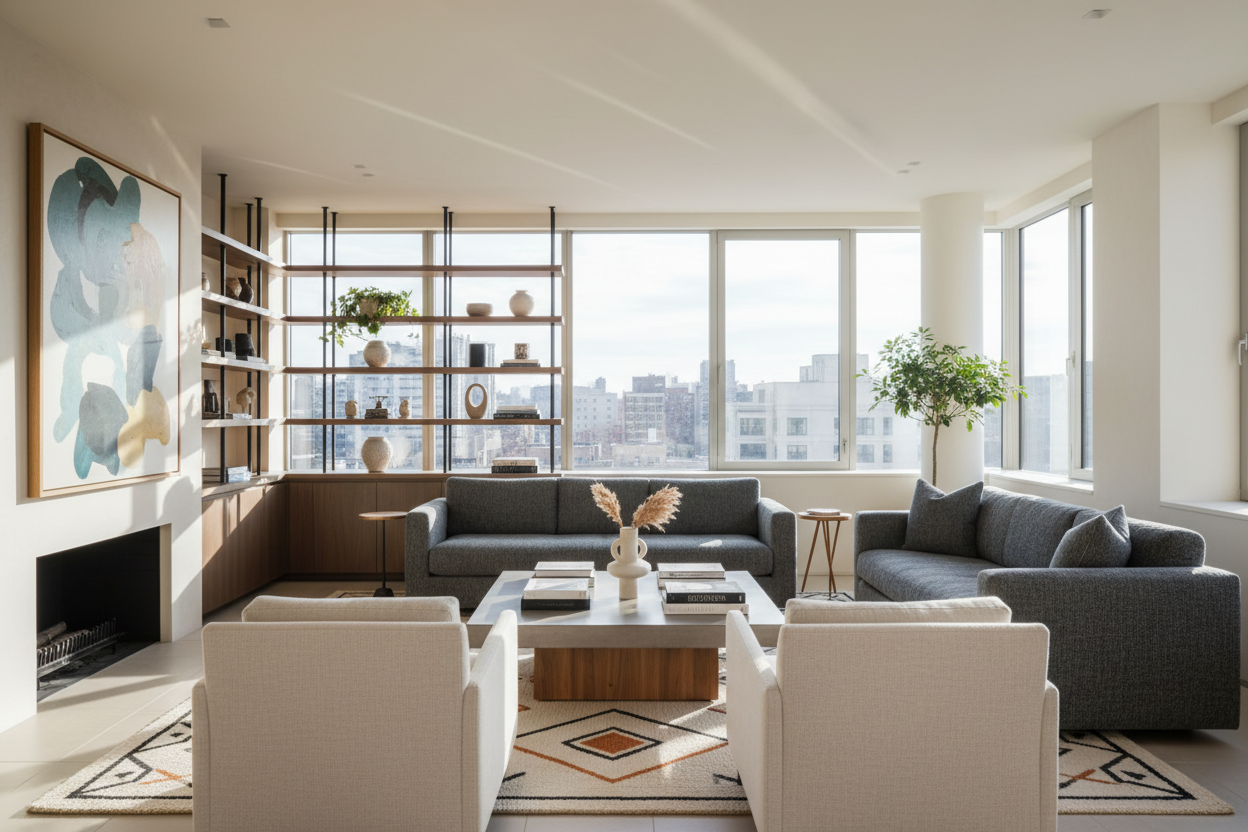
There is nothing quite as disheartening as investing in a centerpiece for your living room, only to find the cushions sagging or the fabric pilling within six months. As a designer, I see this happen constantly. Clients often prioritize the aesthetic silhouette over the structural integrity, forgetting that an indoor couch is arguably the most hardworking piece of furniture in the home. It is the anchor of your living space, the spot for Sunday naps, and the primary zone for entertaining guests.
This guide moves beyond the glossy catalogue photos to discuss what actually matters: construction, ergonomics, and how to select an indoor sofa that survives real life while maintaining its elegance.
Key Features to Look For
If you are skimming for the essentials, these are the non-negotiable specifications you should verify before making a purchase. This checklist is often the difference between a 2-year sofa and a 15-year investment.
- Frame Construction: Look for kiln-dried hardwood (like maple or oak). Avoid particleboard or plastic composites which warp over time.
- Suspension System: 8-way hand-tied springs are the gold standard for longevity, though high-quality sinuous springs are acceptable for modern, low-profile designs.
- Cushion Fill: High-density foam wrapped in down provides the best balance of structure and softness. 100% down requires constant fluffing; 100% foam can feel stiff.
- Fabric Durability: Check the "double rub" count. For a family room, aim for 15,000+ double rubs.
- Joinery: Double-doweled and corner-blocked joints ensure the frame doesn't wobble or creak.
The Anatomy of Durability
When curating furniture for a client, I start from the inside out. The upholstery might catch your eye, but the frame bears the weight.
Wood vs. Engineered Materials
A true heirloom-quality indoor sofa relies on a solid wood frame. Kiln-drying is a crucial step where moisture is removed from the wood to prevent warping or cracking as humidity levels change in your home. If you lift the corner of a sofa and it feels surprisingly light or twists slightly, put it back. That is a sign of a weak frame that will not hold up to daily use.
Suspension Mechanics
The "sit" of a couch is determined by its suspension. While 8-way hand-tied coils are the traditional benchmark for luxury, many contemporary Italian designs utilize high-gauge sinuous springs or webbing to achieve sleeker, thinner profiles. Both can be excellent, provided the spacing between springs is tight and the clips are sound-proofed to prevent squeaking.
Ergonomics and Visual Weight
Design is not just about how a piece looks; it is about how it interacts with the human body and the room's architecture.
Seat Depth and Height
This is where personal preference meets ergonomics. A standard seat depth is around 21 to 24 inches. However, if you are taller or prefer to lounge with your legs curled up, you may want a "grand" depth of 25 inches or more. Conversely, for a formal sitting room intended for conversation, a shallower depth and a firmer back encourage good posture.
Balancing the Room
Consider the "visual weight" of the piece. A skirted sofa that goes all the way to the floor feels heavy and traditional, grounding a large room with high ceilings. In smaller apartments, an indoor couch with exposed legs creates a sense of openness by allowing the eye to see the floor underneath, making the footprint feel less obtrusive.
Fabric Selection: Practicality Meets Aesthetics
The choice between natural fibers and performance fabrics is no longer a compromise on softness. Modern performance velvets and crypton fabrics offer the tactile appeal of cotton or linen but with hydrophobic properties that repel wine and coffee spills.
If you prefer natural materials, understand the patina. Linen is breathable and sophisticated but wrinkles the moment you look at it. Leather ages beautifully, developing character, but requires specific humidity maintenance to prevent cracking.
My Personal Take on Indoor Couch Selection
I want to share a specific lesson from a project I worked on in a pre-war apartment. We ordered a stunning, deep-seated sectional tailored in a beautiful Belgian linen. It looked immaculate on installation day.
However, I made a miscalculation regarding the "unpolished" reality of down-filled back cushions. The client wanted a relaxed look, so we went with a 70/30 down-to-feather ratio with no foam core. Three months later, the client called me. The issue wasn't the look—it was the maintenance. Every time someone sat down, the back cushions looked like deflated balloons. They required aggressive fluffing and rotating daily to look presentable.
The lesson? Unless you have a staff to fluff cushions or you truly love a messy, "lived-in" aesthetic, always opt for a foam core wrapped in down. It retains the shape (the crown) of the cushion while giving you that sink-in feeling. Also, measure your doorways. I once had to hire a furniture medic to saw a sofa in half and reassemble it inside because the legs weren't removable—a costly oversight I never repeated.
Conclusion
Selecting the right indoor couch is a balance of structural engineering and artistic expression. By focusing on the frame quality and being realistic about your lifestyle needs regarding fabric and cushion fill, you can find a piece that elevates your home for years to come. Don't just buy for the showroom look; buy for the Sunday afternoon reality.
Frequently Asked Questions
How long should a quality indoor couch last?
A well-constructed couch with a kiln-dried hardwood frame and high-density foam should last between 7 to 15 years. High-end pieces with replaceable covers and solid joinery can last 20+ years with proper maintenance and reupholstery.
What is the best way to clean a fabric sofa?
Always check the cleaning code on the tag. "W" means water-based cleaners, "S" means solvent-based (dry clean only), and "SW" allows for both. Vacuum regularly to remove dust that can abrade fibers, and blot spills immediately—never rub.
Should I choose a sectional or a standard sofa?
This depends on traffic flow. Sectionals are excellent for maximizing seating in corners and creating a cozy, enclosed vibe. Standard sofas offer more flexibility in layout changes and look more formal. Ensure you have at least 30 inches of walking clearance around any furniture piece.



Leave a comment
This site is protected by hCaptcha and the hCaptcha Privacy Policy and Terms of Service apply.