










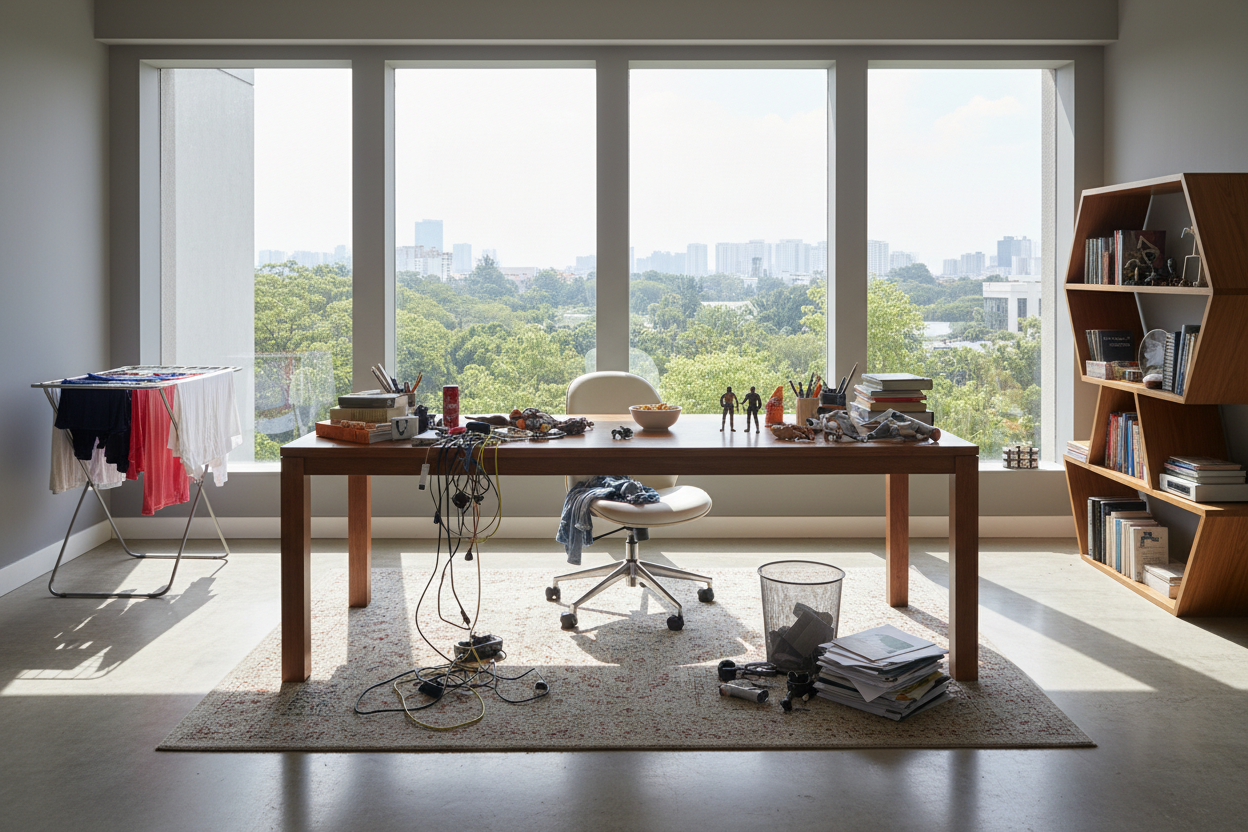
The spare room is no longer just a "nice-to-have" feature in real estate; for the modern workforce, it is a non-negotiable dealbreaker. When a potential buyer walks into a room, they need to instantly visualize productivity, not a cramped storage area or a sterile cubicle. The goal of professional office staging is to sell a lifestyle of efficiency and calm, proving that the home can support a high-functioning career.
Quick Decision Guide: The Essentials of a Staged Office
- Orientation: Always position the desk to face the entrance or a view (the "command position"); never face a blank wall.
- Scale & Proportion: Maintain at least 36 inches of clearance behind the chair for visual flow.
- Lighting Layers: Combine ambient overhead lighting with a sculptural task lamp to create a warm vignette.
- Surface Styling: Follow the "Rule of Three" for accessories to prevent clutter while adding personality.
- Texture: Soften hard office lines with rugs, drapes, or an upholstered chair to improve acoustics and aesthetics.
Defining the Narrative: Residential vs. Commercial Staging
There is a distinct difference between commercial staging and styling a workspace within a residence. In a corporate setting, durability and density are key. However, when staging a home office, the priority shifts to aspiration and integration. We want the space to feel like a seamless extension of the home's design language, not a jarring departure into corporate beige.
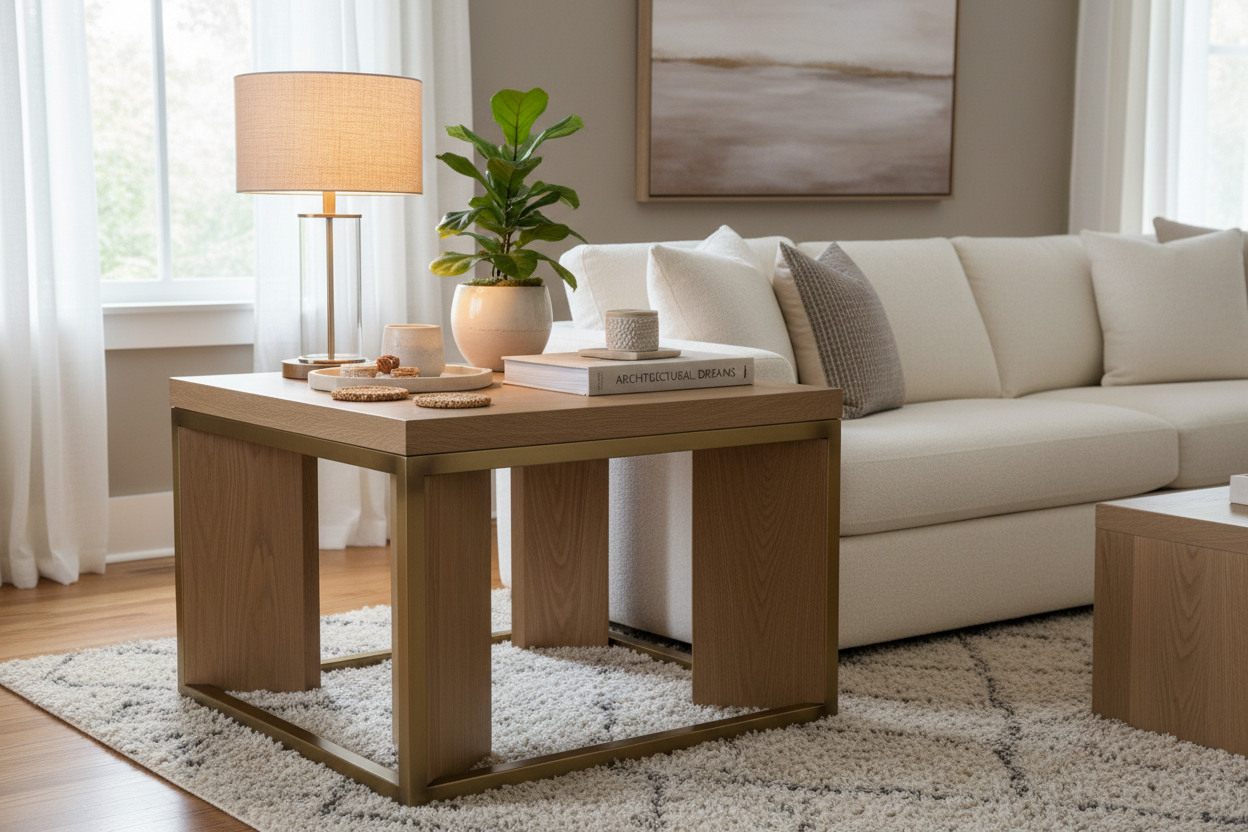
To achieve a high-end staged office look, avoid matching furniture sets that scream "big box store." Instead, curate a mix of materials—perhaps a walnut desk paired with a leather mid-century chair and a metallic floor lamp. This layered approach suggests a collected, sophisticated history rather than a quick fix.
The Art of Desk Staging
The desk is your focal point, and how to stage a desk is an exercise in restraint. A common error is leaving the surface completely bare, which feels cold and uninviting. Conversely, leaving actual paperwork out looks messy.
Creating the Vignette
When staging a desk area, aim for a "pause moment." Open a high-quality hardcover book or a leather-bound planner to a middle page. Place a pair of reading glasses or a nice pen nearby. This implies that work is happening, but it is controlled and elegant. For desk staging, I always recommend hiding all computer cords. Nothing breaks the illusion of a serene workspace faster than a tangle of black wires. Use cord clips or tape them to the underside of the desk leg.
Space Planning and Layout
Many homeowners struggle with how to stage an office in unconventional spaces. If you are working with a dedicated room, float the desk in the center. This elevates the perceived value of the square footage.
Small Space Solutions
For staging office areas in smaller nooks or multi-purpose rooms, visual weight is your enemy. Opt for a writing desk with slender legs or a glass top. Home office staging ideas for small spaces should focus on verticality—use tall, open shelving to draw the eye up, making the ceiling feel higher and the footprint feel larger.
Lessons from My Own Projects: The "Sterile" Trap
I distinctly remember a project in a downtown loft where I was tasked with staging an office in a glass-walled flex room. My initial instinct was to go ultra-modern: chrome desk, white leather chair, zero clutter. I thought it would look sleek.
It didn't. It looked like a dentist's waiting room. The feedback from the first open house was that the space felt "cold" and "unwelcoming."
I went back in and softened the edges. I draped a chunky knit throw over the back of the chair (a texture trick that adds instant warmth), added a textured jute rug to ground the desk, and placed a fiddle-leaf fig in the corner. I also swapped the cold LED bulb in the lamp for a warmer 2700K bulb. The difference was palpable. The next viewer didn't just look at the room; they sat in the chair. That tactile connection is the secret to how to stage a home office effectively. It’s not just about showing where the computer goes; it’s about showing where the comfort lives.
Conclusion
Successfully staging a home office requires balancing function with emotional appeal. By managing visual weight, curating accessories, and ensuring the layout invites movement, you transform a utility space into a selling point. Remember, you aren't just selling a room with a desk; you are selling the promise of a balanced life.
Frequently Asked Questions
How do I stage a home office in a bedroom?
If you must integrate a workspace into a bedroom, separation is key. Use a small area rug to define the "work zone" distinct from the sleeping area. Choose a desk that doubles as a vanity or console table so it doesn't look strictly utilitarian when not in use.
Should I include a computer when staging a desk?
Generally, no. Large monitors can block sightlines and date the photo if the tech looks old. However, a sleek, closed laptop or a high-end tablet can be used as a prop to indicate scale without dominating the visual space.
Is it worth buying new furniture for office staging?
If the current furniture is bulky, damaged, or overly personalized, yes. However, you don't always need to buy. Renting high-quality pieces or using a "parson's style" table you already own can often achieve the desired staged home office look without a massive investment.

Leave a comment
This site is protected by hCaptcha and the hCaptcha Privacy Policy and Terms of Service apply.