










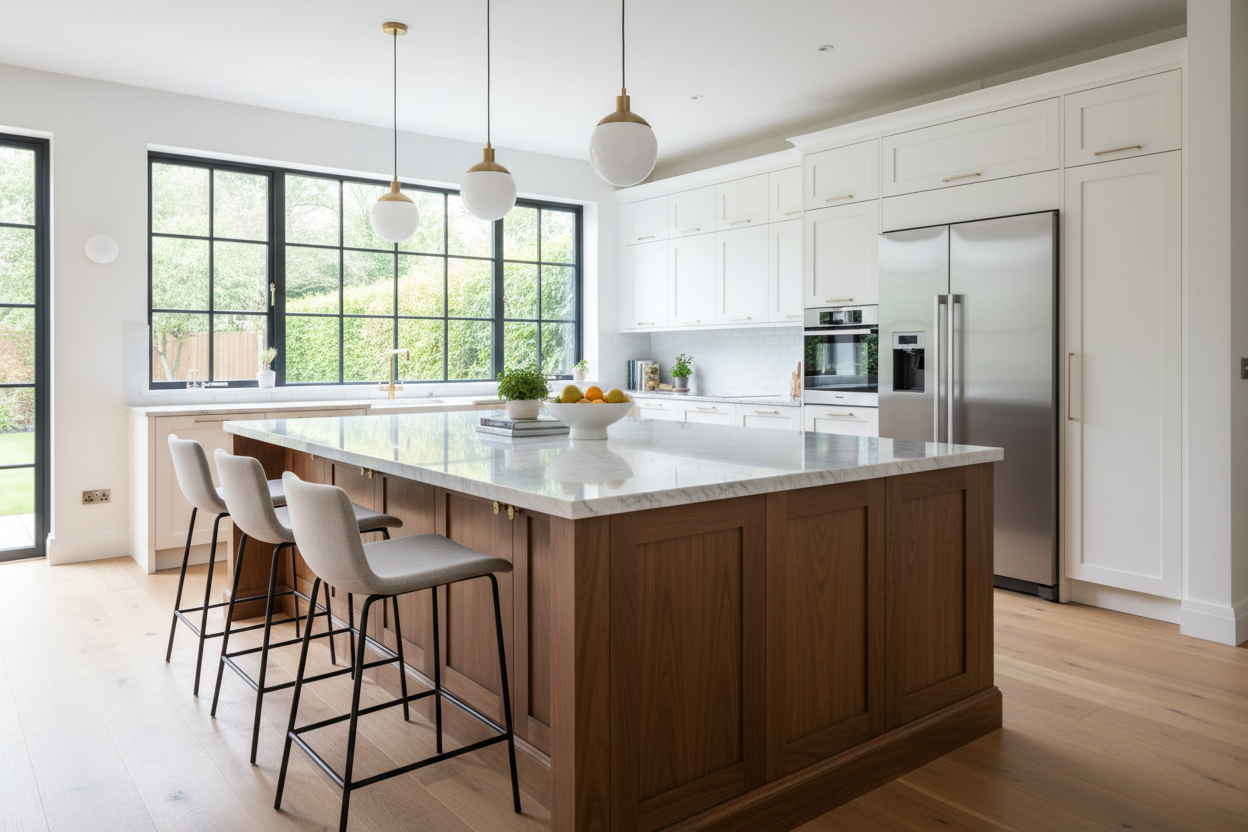
Kitchen islands have transformed from luxury additions into essential components of modern home design. Whether you're renovating your existing space or planning a new kitchen from scratch, understanding what makes a great kitchen island can dramatically improve both functionality and aesthetics in your cooking space.
The kitchen island serves as the heart of your culinary workspace, offering additional counter space, storage, and often becoming the natural gathering spot for family and friends. From compact cooking islands that fit snugly into smaller kitchens to expansive kitchen counter island designs that rival full dining tables, there's a solution for virtually every layout and budget.
Understanding Different Types of Kitchen Islands
Not all islands for kitchens are created equal. The market offers everything from stationary built-in units to mobile carts, each serving different purposes and spatial requirements. Island kitchen units come in various configurations: some prioritize storage with deep cabinets and drawers, while others focus on expanding your prep area with generous countertop surfaces.
Cooking islands typically incorporate appliances like cooktops, ranges, or even sinks, transforming the island into a functional cooking station. This setup works particularly well in open-concept homes where the cook wants to face guests while preparing meals. A kitchen island for cooking requires proper ventilation, electrical connections, and plumbing considerations that add complexity but deliver exceptional convenience.
After installing a custom island in my own kitchen three years ago, I noticed how it completely changed our family dynamics. What was once a solitary cooking experience became interactive, with my kids doing homework at the island while I prepared dinner. The additional storage underneath solved our perpetual problem of where to keep larger pots and serving platters that never quite fit in standard cabinets.
Where to Purchase a Kitchen Island
Finding the right piece involves knowing where to look. Home improvement stores like Home Depot and Lowe's stock ready-made options that you can take home immediately. These retailers offer kitchen islands at various price points, from basic models under $300 to premium designs exceeding several thousand dollars.
Furniture stores have expanded their offerings significantly, recognizing that furniture for kitchen island setups has become a major category. Retailers like IKEA, Wayfair, and Crate & Barrel provide stylish options that blur the line between functional workspace and attractive furniture. Where to find kitchen islands that match your specific aesthetic often depends on your overall design vision—traditional, modern, farmhouse, or industrial.
Custom cabinet makers represent another avenue, particularly for those seeking a kitchen set island that integrates seamlessly with existing cabinetry. While more expensive, custom solutions ensure perfect dimensions and finishes that match your current kitchen down to the smallest detail.
Shopping Smart for Your Home Kitchen Island
Before you start looking for kitchen islands, measure your space carefully. Designers recommend maintaining at least 36 to 48 inches of clearance on all sides to ensure comfortable traffic flow. The kitchen island dimensions should complement your room size rather than overwhelm it.
Consider your primary use case. If you're show me kitchen islands requests center on additional storage, prioritize models with plenty of cabinets and drawers. For those focused on entertaining, look for designs with overhang countertops that accommodate bar stools, creating casual seating for guests.
Essential Features to Consider
A kitchen island with built-in features multiplies its value. Electrical outlets are nearly non-negotiable in modern designs, allowing you to plug in mixers, charge devices, or use small appliances without crowding your perimeter counters. Some islands for your kitchen include built-in wine racks, spice drawers, or specialized storage for cutting boards and baking sheets.
The countertop material deserves careful consideration. Granite and quartz offer durability and heat resistance perfect for a kitchen cooking island where you'll be setting down hot pans. Butcher block provides a warm, traditional look and doubles as a cutting surface, though it requires more maintenance. Stainless steel suits professional-style kitchens and is incredibly easy to clean.
Lighting plays a crucial role in making the kitchen island functional. Pendant lights hung 30 to 36 inches above the countertop provide task lighting for food preparation while adding visual interest. The right lighting transforms the island kitchen island from purely functional to a genuine design statement.
Installation and Placement Strategies
The kitchen island positioning affects your entire workflow. Kitchen designers often reference the work triangle concept—the relationship between your refrigerator, sink, and stove. Your island should enhance this triangle rather than obstruct it. Placing your island too close to appliances creates bottlenecks, while positioning it too far away wastes steps during meal preparation.
For smaller kitchens, consider mobile islands kitchen options with wheels or casters. These provide flexibility to reposition or remove the island entirely when you need maximum floor space for entertaining or special projects. Many rolling islands lock in place during use, offering stability when you need it.
Making Your Island Work Harder
Multi-functional design maximizes your investment. An office kitchen island concept has gained popularity with remote work trends, incorporating a workspace into kitchen design. Some homeowners dedicate one end of their island to a small desk area with charging stations and file storage, creating a command center for household management.
Islands for kitchen spaces can also house specialized appliances. Beverage refrigerators, warming drawers, and even dishwashers integrate into island designs, keeping these appliances accessible without consuming valuable wall space. This approach works particularly well in larger kitchens where the island becomes a self-contained workspace.
Budgeting for Your Investment
Kitchen counter island prices vary wildly based on size, materials, and features. Basic freestanding units start around $200 to $500, offering simple storage and counter space. Mid-range options with better materials and built-in features typically run $800 to $2,500. Custom-built islands with appliances, specialty storage, and premium finishes can easily exceed $5,000 to $10,000 or more.
Remember to factor in installation costs if your island requires plumbing or electrical work. Professional installation for a cooking island with a cooktop might add $1,000 to $3,000 to your total investment, depending on your home's existing infrastructure and local labor rates.
Shopping sales events and clearance sections can yield significant savings. Many retailers discount floor models or discontinued styles by 30% to 50%. If you're flexible on finish or style, these deals provide quality islands for kitchen use at fraction of original prices.
Maintenance and Longevity
Proper care extends the life of your kitchen island significantly. Wood surfaces need periodic oiling or sealing to prevent drying and cracking. Stone countertops benefit from annual sealing to maintain their stain resistance. Regular tightening of hardware prevents wobbling and ensures drawers and doors operate smoothly for years.
Quality construction matters more than you might initially think. Solid wood frames and dovetail drawer joints indicate superior craftsmanship that withstands daily use. Cheaper particle board construction may save money upfront but often requires replacement within a few years, making it a false economy.
The kitchen island represents one of the most impactful additions you can make to your cooking space. By carefully considering your needs, space constraints, and budget, you can select an island that serves your family for decades while enhancing both the functionality and beauty of your home's most important gathering place.
Frequently Asked Questions
What's the ideal size for a kitchen island?
The ideal island size depends on your kitchen dimensions, but most designers recommend islands between 4 to 6 feet long and 2 to 4 feet deep. Ensure you maintain 36 to 48 inches of clearance around all sides for comfortable movement. Smaller kitchens may benefit from compact islands or mobile carts, while larger spaces can accommodate expansive islands with seating.
Can I install a kitchen island myself?
Freestanding islands without plumbing or electrical connections are straightforward DIY projects that typically require only basic assembly. However, islands requiring electrical outlets, plumbing for sinks, or gas lines for cooktops should be installed by licensed professionals to ensure safety and code compliance. Simple installation might take a few hours, while complex setups could require several days of professional work.
How much should I expect to spend on a quality kitchen island?
Quality freestanding kitchen islands typically range from $500 to $2,500, depending on size, materials, and features. Custom-built islands start around $3,000 and can exceed $10,000 with premium materials and integrated appliances. Budget-friendly options under $500 exist but may sacrifice durability and features. Consider your island an investment that should last 10 to 20 years with proper care.



Leave a comment
This site is protected by hCaptcha and the hCaptcha Privacy Policy and Terms of Service apply.