










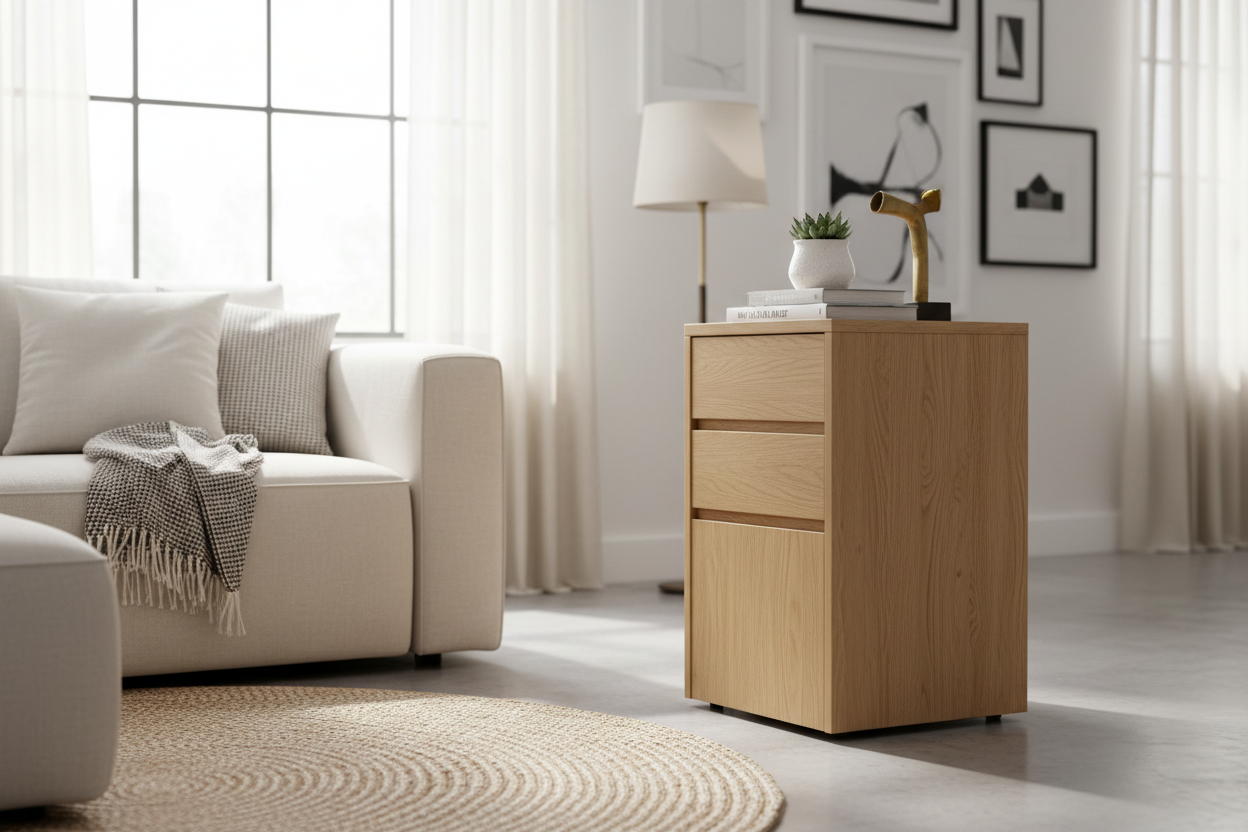
You are staring at that pile of remotes, coasters, and unread mail, wondering where it all goes. The answer isn't always a massive wall unit or a sprawling bookshelf. Often, the most effective solution for clutter is a dedicated small cabinet living room setup. These compact pieces of furniture do the heavy lifting when it comes to organization without dominating your square footage. Whether you are in a studio apartment or just trying to fill an awkward corner in a larger home, a petite cabinet offers a specific home for stray items, instantly polishing the look of your space.
Why Go Small? The Power of Compact Storage
There is a misconception that you need large furniture to store a lot of things. In reality, massive sideboards often become dumping grounds for items you don't actually need. Small cabinets for living room organization force you to be intentional. They provide just enough space for the essentials—board games, extra cables, or table linens—while maintaining an airy, open feel in the room.
Visual weight plays a huge role here. A cabinet with a smaller footprint, perhaps one raised on legs, allows light to travel underneath it. This trick of the eye makes the floor area appear larger than it actually is. If you choose a piece that matches your wall color or features reflective surfaces like glass or mirrors, it can almost disappear into the room while still devouring your clutter.
A Personal Lesson in "Dead Space"
I learned the value of downsizing my storage the hard way. In my previous apartment, I had a strange, narrow gap between a structural pillar and the window—about 18 inches wide. For months, it was just a dust trap where I piled magazines. I finally hunted down a slim, tall apothecary-style cabinet to fit the niche. It was a game-changer. Suddenly, that dead space became the focal point of the room. I used the drawers to sort everything from batteries to takeout menus. It taught me that the size of the furniture matters less than how well it fits the specific constraints of your architecture. That little cabinet did more for my sanity than the massive media console ever did.
Choosing the Right Style for Your Layout
Finding the right small storage cabinets for living room layouts requires looking at your available zones. You aren't limited to just pushing a box against a wall. There are several configurations designed specifically for tight squeezes.
The Narrow Console Cabinet
If you have a walkway behind your sofa or a slim entry strip leading into the living area, a shallow console cabinet is ideal. Look for depths between 10 to 14 inches. These pieces are perfect for hiding Wi-Fi routers and charging stations. Since they are shallow, they don't encroach on traffic flow, yet they offer a surprising amount of surface area for lamps and decor.
The Corner Accent Chest
Corners are notoriously underutilized. A triangular or wedge-shaped cabinet can slide right in, turning a sharp 90-degree angle into soft storage. These are excellent for rounder items or stacking things like throw blankets that you want accessible but out of sight.
Floating Wall Cabinets
If floor space is at an absolute premium, look up. Mounting a small cabinet on the wall keeps the floor entirely clear. This is a favorite tactic in modern design because it looks sleek and custom. It allows you to place a basket or a pouf underneath, effectively doubling the utility of that vertical slice of the room.
Material Matters: Balancing Aesthetics and Durability
Since this piece of furniture is small, it is likely to act as an accent. This is your permission to get a little bolder with materials than you might with a giant sofa. A cabinet with cane webbing or rattan inserts adds texture and hides the contents while keeping the vibe light and organic. If your living room leans industrial, a metal locker-style cabinet in a bright color can add a pop of personality.
Solid wood is always a safe bet for longevity, but pay attention to the finish. Darker woods like walnut can feel heavier, which might anchor a space nicely, while light oak or painted white finishes will recede, making the room feel larger. Glass-front cabinets are beautiful for displaying items, but be honest with yourself: if you plan to store messy paperwork or tangled cords, opt for solid doors. You want to reduce visual noise, not frame it.
Styling Your Small Cabinet
Once you have the cabinet in place, the top surface becomes a prime real estate for styling. Because the surface area is limited, the rule of three works best here. A table lamp for height, a small tray to corral keys or remotes, and a plant or sculptural object to bridge the gap usually creates a balanced vignette.
Don't clutter the top. If the cabinet is there to help you organize, piling junk on top of it defeats the purpose. Leave some negative space. If you hang a piece of art or a mirror above the cabinet, ensure it is proportional—usually about two-thirds the width of the cabinet itself—to keep the composition grounded.
Organization Hacks for Inside the Cabinet
The exterior looks great, but the inside needs to function. Small cabinets can quickly become chaotic if you just toss things in. Use internal organizers. Clear acrylic bins or small woven baskets are essential for keeping categories separate. If the cabinet has shelves, adjustable ones are superior because they allow you to customize the height for whatever you are storing, be it tall vases or stacks of paper.
Labeling the inside of the doors or the edges of shelves can also help household members remember where things belong. It sounds meticulous, but in a small shared space, knowing exactly where the batteries live prevents the "junk drawer" effect from spreading to your beautiful new furniture.
Frequently Asked Questions
How deep should a small living room cabinet be?
For tight spaces, aim for a depth between 12 to 15 inches. This is deep enough to store books, dinner plates, or standard bins, but shallow enough not to block walkways. Anything deeper than 18 inches starts to encroach on the room's flow.
Can I use a nightstand as a living room cabinet?
Absolutely. Many nightstands are essentially small chests of drawers or cabinets with the perfect dimensions for a living room side table. Just ensure the height aligns reasonably well with your sofa or armchair armrests for visual balance.
What is the best way to hide cords inside a small cabinet?
Look for cabinets with pre-drilled cable management holes in the back panel. If your favorite piece lacks one, you can easily use a hole saw drill bit to create an opening, then use velcro ties or command strips inside the cabinet to keep wires pinned neatly against the walls.

Leave a comment
This site is protected by hCaptcha and the hCaptcha Privacy Policy and Terms of Service apply.