










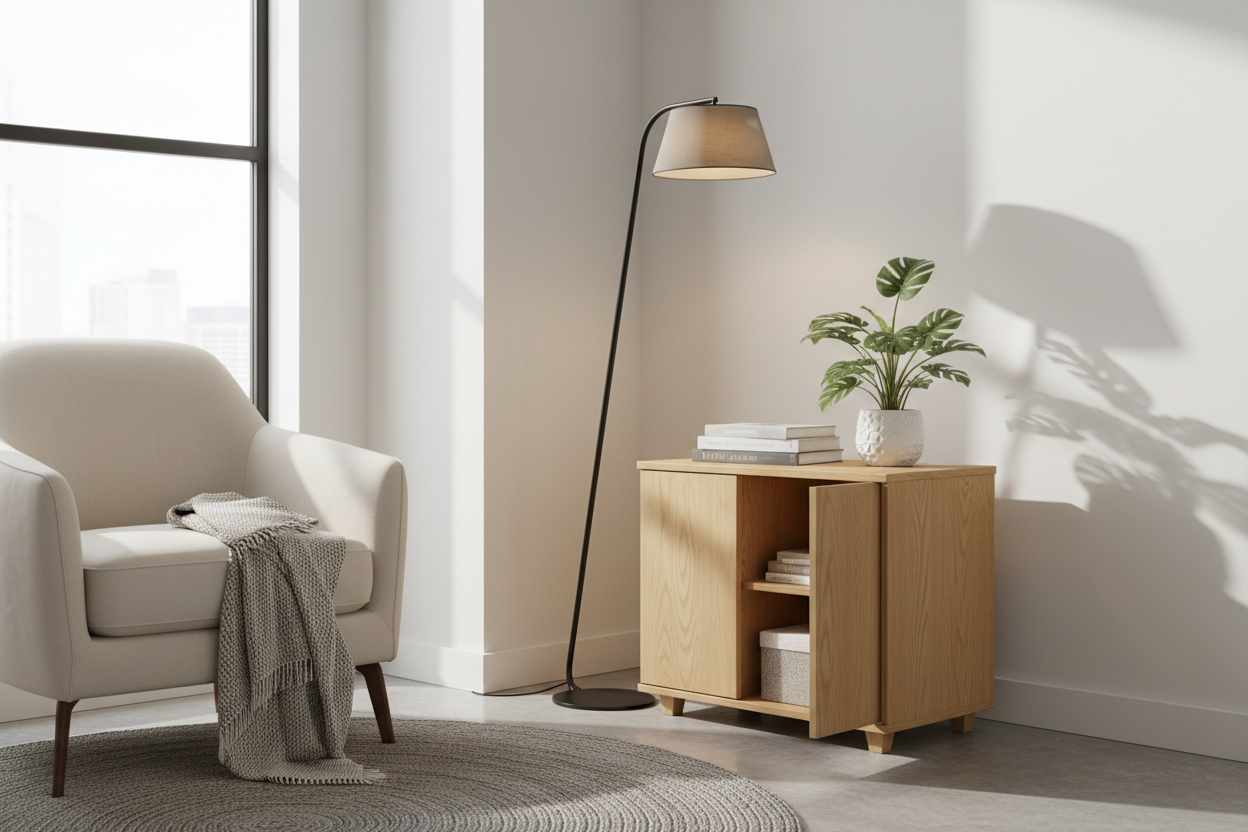
Finding the right furniture for a tight corner or a cluttered nook often feels like a game of Tetris where the pieces just won't fit. You have items that need a home—books, chargers, linens, or miscellaneous knick-knacks—but a full-sized dresser or bookshelf is simply too imposing for the square footage available. This is where a small floor cabinet becomes the unsung hero of interior design. It bridges the gap between functionality and spatial awareness, offering a dedicated storage zone without dominating the visual flow of the room.
Many homeowners make the mistake of thinking small furniture means less utility. In reality, a compact cabinet forces you to be intentional about what you keep, while providing a surface area for decor that adds character to a room. Whether you are trying to maximize a studio apartment or just filling a dead space in a larger home, selecting the right piece comes down to understanding dimensions, door clearance, and how the materials interact with your existing light.
Why Your Living Room Needs a Compact Solution
The living area is usually the highest traffic zone in a house, and consequently, it accumulates the most random debris. Remote controls, coasters, mail, and charging cables tend to pile up on coffee tables. Integrating a small floor cabinet for living room organization changes the dynamic immediately. Instead of leaving these items out, you have a dedicated, enclosed space to tuck them away.
I recall a specific project in my own home where the space between the sofa and the wall was awkward—too wide to be empty, but too narrow for a side table. I hunted for weeks until I found a vintage timber piece. It wasn't just about storage; it became a platform for a table lamp that brightened a previously dark corner. That single addition made the room feel finished rather than cluttered. The key is to look for pieces that act as end tables but offer the enclosed storage of a cupboard.
Choosing the Right Height
Verticality matters just as much as footprint. A short floor cabinet is particularly useful when you are working around architectural constraints like windowsills, chair rails, or low-hanging artwork. If you place a tall unit under a window, you block natural light and make the room feel smaller. A shorter unit, sitting below the sill, draws the eye down and creates a sense of openness.
Low-profile cabinets also serve a dual purpose as media consoles in smaller dens. Because they sit lower to the ground, they are ideal for placing a television at eye level without craning your neck. When shopping for these shorter variations, ensure the internal shelves are adjustable. You might lose vertical height, but if you can move the shelves, you can still fit tall items like vinyl records or vases inside.
Maximizing Utility with Smart Storage
A pretty exterior is useless if the inside is a chaotic mess. A high-quality small floor storage cabinet should offer more than just an empty box. Look for units that combine drawers with shelving. Drawers are superior for small, loose items that tend to get lost on deep shelves, while cabinet doors are better for stacking larger items like blankets or board games.
Consider the mechanism of the doors as well. In truly tight spaces, a swinging door might hit a coffee table or block a walkway when opened. Sliding doors or tambour doors (which roll back into the unit) are excellent features for a small floor storage cabinet intended for narrow hallways or cramped entryways. They allow you to access your belongings without requiring extra floor space for the door swing.
Material Selection and Visual Weight
When you introduce a new piece of furniture into a small area, you have to consider its "visual weight." A solid, dark oak cabinet sits heavy in a room. It commands attention and can sometimes feel bulky even if the dimensions are small. If your goal is to keep the room feeling airy, opt for lighter woods, painted finishes, or cabinets with glass fronts or rattan inserts. Glass and rattan allow light to pass through or reflect, tricking the eye into seeing past the object.
Metal cabinets offer a different aesthetic, leaning towards industrial or modern farmhouse vibes. They are often thinner than wood, saving you mere fractions of an inch that can actually matter in a tight squeeze. However, metal can be noisy when closing doors or placing items down, so consider lining the shelves with felt or cork if you plan to use it for heavy crockery or tools.
Placement Ideas Beyond the Obvious
While the living room is a common destination, these versatile units work hard in other rooms too. In a bathroom, a freestanding cabinet can replace a lack of vanity storage, holding extra towels and toiletries. In a dining room, a small cabinet acts as a petite bar cart, holding liquor bottles inside and a serving tray on top.
Entryways are another prime location. A slim cabinet near the door provides a surface for keys and mail, while the internal storage hides shoes, preventing that dreaded pile-up at the front door. If you have a radiator that sticks out, placing a heat-safe cabinet nearby (ensuring proper clearance for safety) can help balance the look of the wall.
Installation and Safety Considerations
Because these cabinets are often lightweight and narrow, they can be prone to tipping if heavy items are placed in the top drawers or if a child climbs on them. Anchoring the unit to the wall is a non-negotiable step for safety. Most cabinets come with anti-tip kits; use them. If you have thick baseboards, you might find the cabinet doesn't sit flush against the wall. In this case, you may need to adjust the rear legs (if they have levelers) or use a small spacer block where the anchor screws into the wall to ensure a solid connection.
Assembly is another factor. Flat-pack furniture is common for small cabinets. When assembling, use wood glue on the dowels for extra stability. It turns a temporary, wobbly piece into something that feels solid and lasts for years. upgrading the hardware—swapping out generic knobs for brass or ceramic ones—is a five-minute hack that makes a budget-friendly cabinet look like a custom antique.
Frequently Asked Questions
How much clearance do I need for a cabinet door to open properly?
You should generally allow for at least 30 to 36 inches of clearance in front of the cabinet to comfortably open the door and crouch down to access the contents. If you have less than that, consider a unit with sliding doors or open shelving to maintain flow.
Can I use a small floor cabinet in a bathroom with high humidity?
Yes, but material choice is critical. Avoid particle board or MDF, which can swell and warp with moisture exposure. Opt for solid wood sealed with a marine-grade varnish, metal, or high-quality plastic composites designed specifically for damp environments.
How do I style the top of a short cabinet without making it look cluttered?
Follow the rule of three. Group three items of varying heights—such as a tall lamp, a medium plant, and a small tray or stack of books. This creates visual balance and leaves enough negative space so the surface doesn't look messy.

Leave a comment
This site is protected by hCaptcha and the hCaptcha Privacy Policy and Terms of Service apply.