










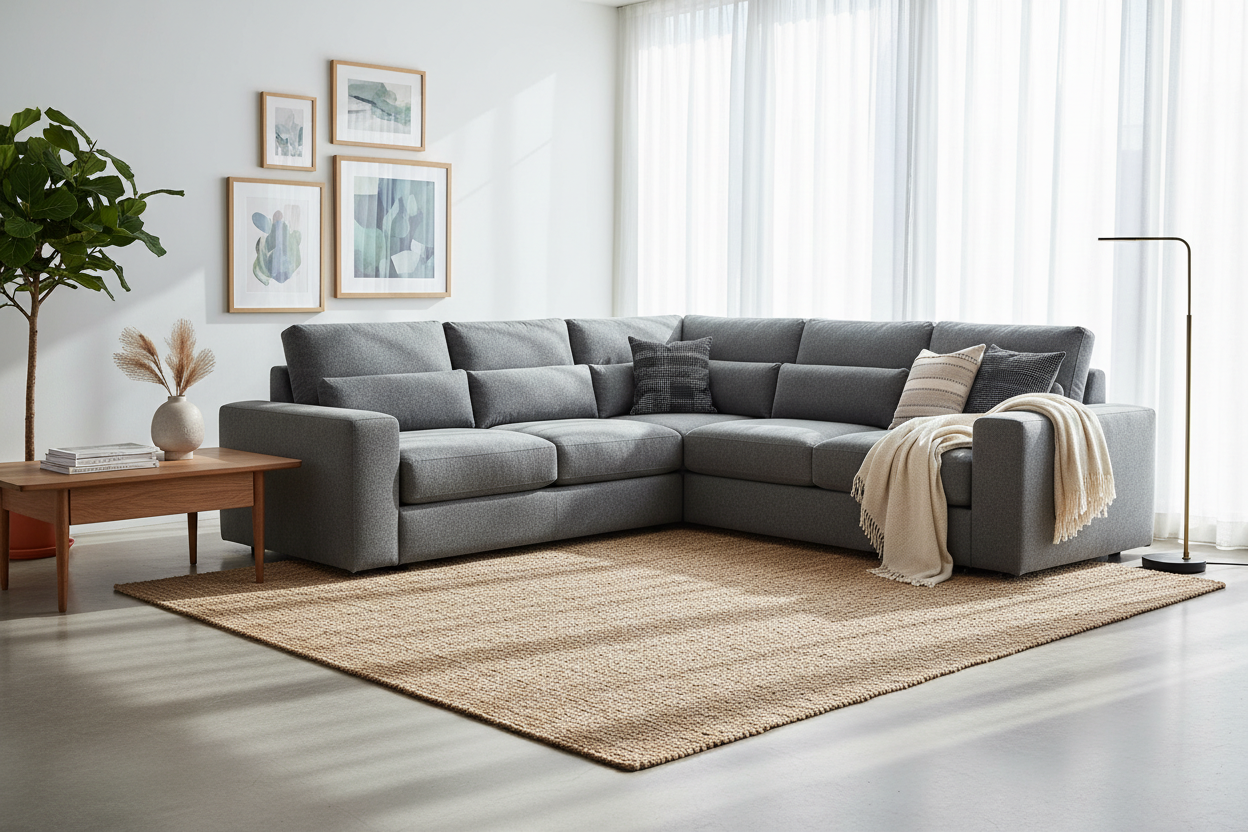
One of the most frequent dilemmas I encounter in my design practice is the conflict between a client's aesthetic aspirations and their strict budget. The sofa is the anchor of the living room; it dictates the flow, the comfort level, and the visual weight of the space. Yet, finding a piece that offers structural integrity without a four-figure price tag feels impossible. If you are asking yourself where can i buy a cheap couch that won't sag within six months, you are asking the right question. This guide moves beyond the clearance aisle and focuses on strategic sourcing for value and longevity.
Quick Decision Guide: Assessing Value
- Frame Material: Avoid particle board. Look for kiln-dried hardwood or, at the very least, furniture-grade plywood.
- Suspension System: Sinuous springs offer better longevity than basic webbing, which is common in where to buy cheap sofa searches.
- Cushion Density: High-density foam wrapped in Dacron holds its shape better than shredded foam fill.
- Fabric Durability: Check the 'rub count' or Martindale cycle. Anything over 15,000 rubs is suitable for residential use.
- Return Policy: When looking for affordable couches online, ensure the retailer covers return shipping if the scale is off.
Navigating the Retail Landscape
To find where to buy a couch for cheap that maintains a designer look, we must categorize retailers by what they offer: convenience, modularity, or raw value.
1. The Online Marketplaces (Wayfair, Amazon, Overstock)
When clients ask where to buy affordable couch options with the widest variety, these giants are the answer. However, the curation is on you. Filter strictly by customer reviews with photos. Look for brands that list their frame materials. This is often the cheapest place to buy a sofa, but pay close attention to the dimensions. A common pitfall with budget online furniture is that the scale is often smaller than it appears in studio photography, leading to a "dollhouse" look in a standard living room.
2. The Flat-Pack Revolution (IKEA, Floyd, Burrow)
If you are wondering where to buy inexpensive sofa models that can survive a move, flat-pack is your best bet. From a design perspective, these pieces often feature clean lines and modern silhouettes. The trade-off is often in the depth of the seat and the plushness of the cushions. If you decide to buy couch cheap from these retailers, consider upgrading the look with custom legs or third-party slipcovers to avoid the generic showroom aesthetic.
3. Discount Outlets and Open-Box Deals
Knowing where to get couches for cheap often means knowing where the returns go. Retailers like West Elm, Pottery Barn, and Crate & Barrel have outlet locations where floor models and slight imperfections are sold at 40-60% off. This requires patience and physical hunting, but it is the only way to get a $2,000 build quality for a $600 price tag.
Materiality and Ergonomics
When you identify where to buy couches for cheap, your next step is vetting the tactile experience. In budget furniture, manufacturers often cut costs on the fabric. Avoid cheap bonded leather; it will peel. Instead, opt for woven polyesters or performance velvets. These materials offer texture and hide wear significantly better than flat cottons.
Ergonomically, pay attention to seat height and depth. A standard comfortable seat height is between 17 and 18 inches. Many cheap sofas sit lower to save on material costs, which can make the piece difficult to stand up from and visually underwhelming in rooms with high ceilings.
Styling to Elevate the Look
Once you find where to find a cheap couch, the styling determines the final luxury factor. A budget sofa often comes with stiff, matching throw pillows. Discard them immediately. Replace them with down-filled inserts and textured covers—think linen, boucle, or heavy knits. This simple swap tricks the eye and improves the tactile comfort of the piece, masking the budget nature of the sofa underneath.
Lessons from My Own Projects
I want to share a candid experience from a guest suite I designed last year where the budget was nearly non-existent. We needed a sleeper sofa and found a mid-century modern style piece on a major online retailer for under $400. Visually, the silhouette was perfect—tapered legs, tufted back, a lovely emerald green velvet.
However, here is the "unpolished" reality: The assembly was a nightmare because the pre-drilled holes for the legs were misaligned by a fraction of an inch. We had to use a drill to widen them. Furthermore, after about three months of moderate use, I noticed the velvet fabric started "pilling" (forming small fuzzballs) right where people sat the most. It looked great in photos, but the tactile experience degraded quickly. My advice? If you buy at the bottom of the price bracket, keep a fabric shaver handy and invest in heavy-duty felt pads for the legs, as the plastic caps on budget sofas are notorious for scratching hardwood floors.
Conclusion
Finding where to get couches cheap does not mean you have to sacrifice the beauty of your home. By prioritizing the frame structure, choosing forgiving fabrics, and upgrading your accessories, you can integrate a budget-friendly piece seamlessly. Design is about the composition of the room as a whole, not just the price tag of a single item.
Frequently Asked Questions
How long can I expect a cheap sofa to last?
Generally, a sofa in the sub-$500 range is designed to last 3 to 5 years of regular use. The first points of failure are usually the cushion foam losing resilience or the fabric pilling. You can extend this by rotating cushions weekly.
Is it better to buy a used high-end couch or a new cheap one?
If you are looking for where to buy cheap sofa options, I almost always recommend a used high-end piece over a new budget piece. A 10-year-old sofa with a solid hardwood frame can be reupholstered or deep cleaned, whereas a new sofa with a particle board frame has a finite lifespan that cannot be repaired.
What is the best fabric for a budget couch?
Synthetic blends are your best friend. Look for 100% polyester or a polyester-nylon blend. These resist staining and fading much better than natural fibers like cotton or linen, which are rare at lower price points anyway.


Leave a comment
This site is protected by hCaptcha and the hCaptcha Privacy Policy and Terms of Service apply.