










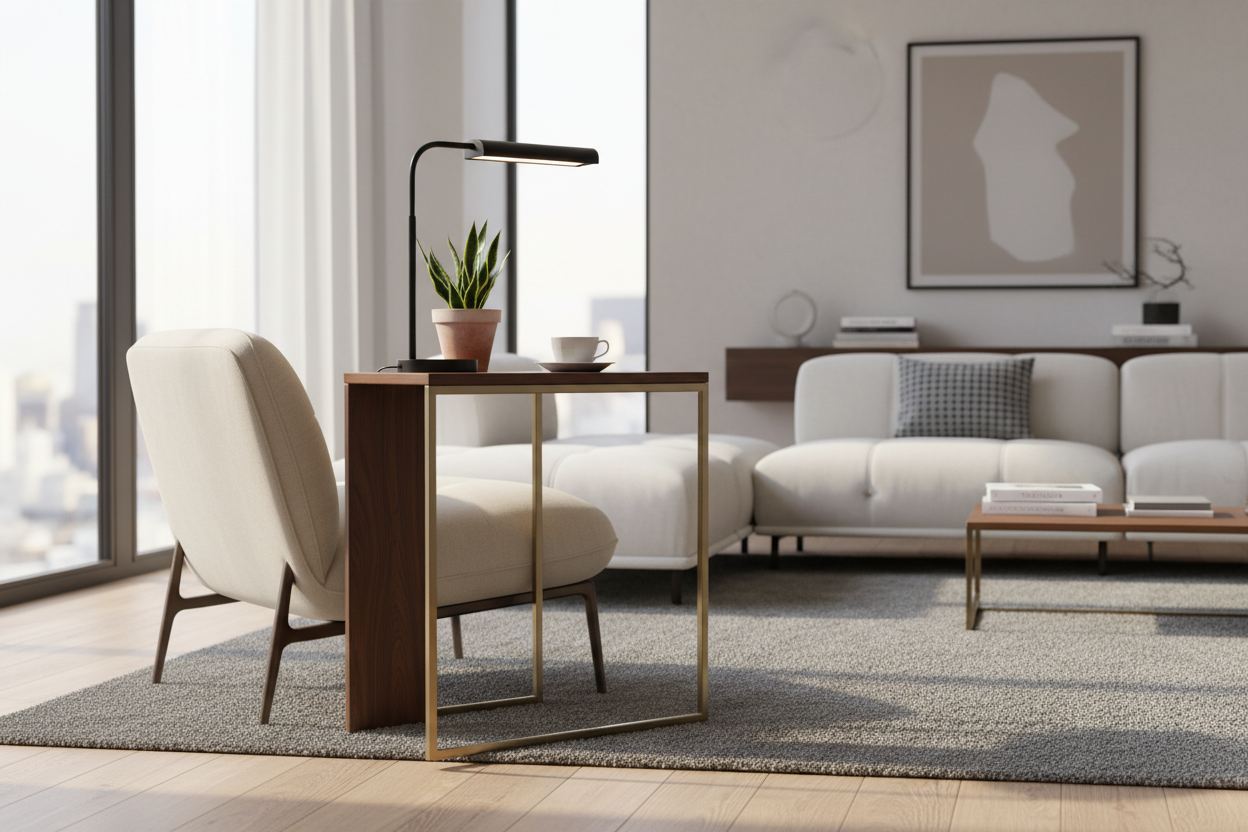
Finding the right furniture often feels like a game of inches, and nowhere is this more apparent than when you are hunting for a 36 tall side table. Most standard end tables hover around the 24-inch mark, which works fine for low-profile modern sofas or standard platform beds. However, if you are working with a pillow-top mattress that sits high off the ground, or you need a surface that meets the arm of a high-back sofa, standard furniture simply disappears. A 36 inch tall side table bridges that gap, bringing functionality up to a comfortable reaching level while adding vertical interest to a room.
The Rise of the High Bed and the Need for Height
Mattresses have evolved. With the popularity of luxury pillow-tops and box springs, bed heights have crept upward. A nightstand that sits a foot lower than the top of your mattress isn't just visually unbalanced; it is annoying to use. You shouldn't have to lean over the edge of your bed to reach your alarm clock or a glass of water. This is the primary driver for homeowners seeking a 36 inch tall end table.
I recall a specific project where I was styling a guest suite featuring an antique four-poster bed. The mattress sat a whopping 35 inches off the floor. We initially tried standard 28-inch nightstands, and they looked like toys next to the massive bed frame. The visual scale was completely off. Swapping those out for a 36 high end table instantly corrected the proportions. The lamps were finally at the right height for reading, and the visual line of the room flowed uninterrupted from the bed to the table.
Entryways and Hallways: The Accent Table 36 Inches High
Outside of the bedroom, a 36 inch tall side table serves a different purpose. In a foyer or a narrow hallway, these pieces act as consoles. Because 36 inches is standard counter height, a 36 tall accent table allows you to drop your keys, mail, or phone without stooping. It is the ergonomic sweet spot for a "landing strip" in your home.
When selecting a 36 inch accent table for a hallway, pay attention to the depth. You usually want something slim so it doesn't encroach on the walking path. However, the height is what gives the piece presence. A shorter table in an entryway can feel like an afterthought, whereas a 36 inch high side table commands attention and allows for taller decor, such as a large vase with branches or a statement lamp, without the arrangement feeling bottom-heavy.
Functionality Meets Form: Storage Options
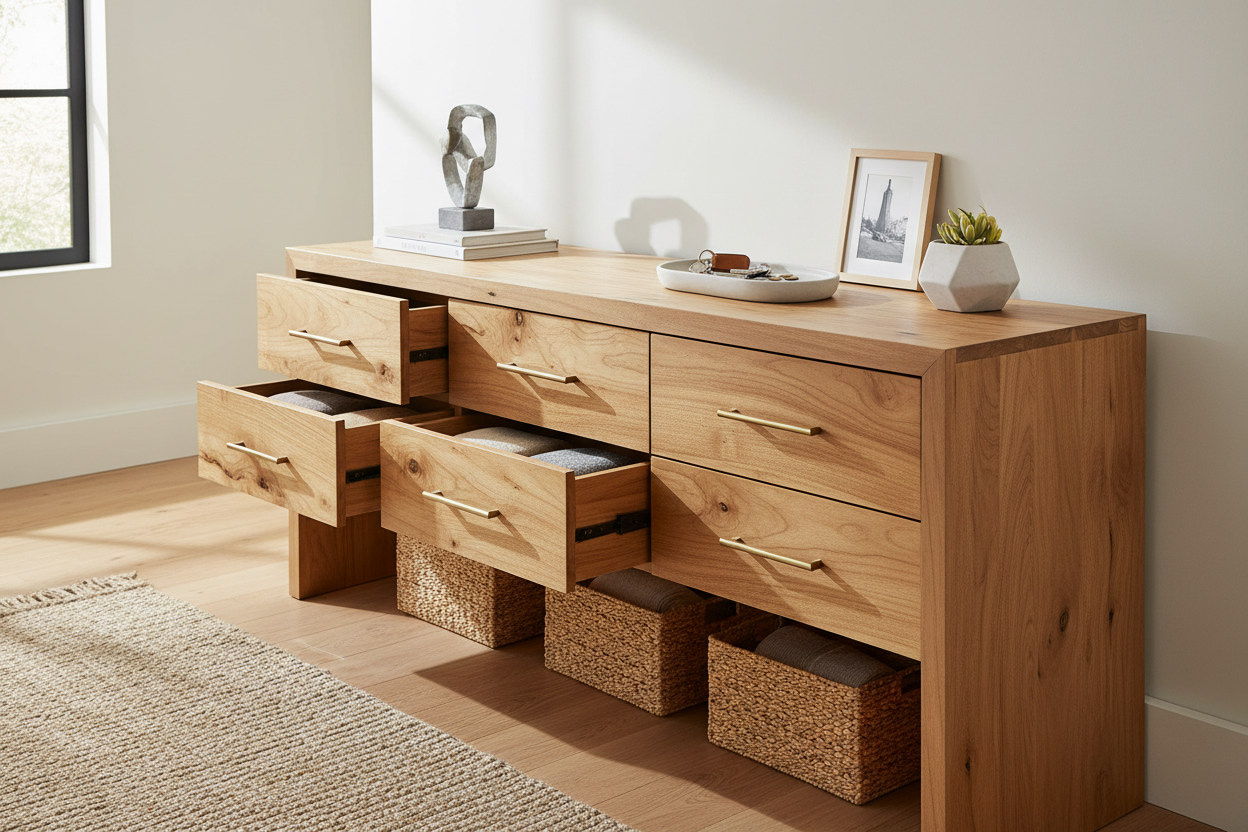
Height offers a unique opportunity for storage volume. A 36 inch tall side table with storage utilizes vertical space that shorter tables waste. If you are using this in a living room or bedroom, look for a 36 inch tall side table with drawers. The extra height often allows for a third drawer or a larger open shelf at the bottom, which is perfect for stacking coffee table books or housing a wicker basket for blankets.
If you are tight on floor space, a 36 inch tall c table is a brilliant alternative. These tables are designed to slide the base under a sofa or bed, while the top cantilevers over the furniture arm. Because high-arm sofas can be difficult to pair with standard tables, a c-table at this specific height creates a convenient workspace for a laptop or a stable spot for a drink right where you need it.
Dimensions and Proportions: Getting It Right
Confusion often arises regarding dimensions. It is vital to verify whether you are looking for a 36 inch high end table or a 36 inch wide side table. While this article focuses on height, width plays a massive role in stability. A 36 inch tall accent table that is only 10 inches wide can be top-heavy. If you have pets or children, ensure the base is weighted or the footprint is wide enough to prevent tipping.
Sometimes, 36 inches might be just a hair too tall. If your sofa arm is 32 inches, a 36 side table might feel towering. In these cases, a 34 inch tall side table acts as a happy medium. It still offers that elevated look without looming over your furniture. Interior design is about the relationship between pieces, so measuring your adjacent furniture—the sofa arm, the mattress top, the windowsill—is the first step before clicking "buy."
Materials and Visual Weight
Because a 36" tall side table has a higher center of gravity, the material choice affects both stability and aesthetics. Metal frames with glass tops work well for a 36" tall accent table in small rooms because they feel airy and don't block sightlines. Conversely, a solid wood 36" side table anchors a space. If you are placing a 36" high accent table in a corner, a solid material helps eliminate "dead space" shadows.
For those looking for a specific aesthetic, a 36 inch tall accent table in rustic wood fits farmhouse decor, while a sleek, lacquered 36 in high end table suits contemporary penthouses. The height makes the material more prominent because it is closer to eye level, so finish quality matters more here than on a low coffee table.
Versatility of the 36 High Accent Table
Don't limit these pieces to just holding lamps. A 36 inch end table makes an excellent plant stand for trailing plants like pothos or ivy, allowing the vines to hang down without touching the floor. In a dining room, a pair of these can serve as flanking servers for wine or dessert plates during a dinner party. An accent table 36 inches high is essentially a multi-tool in your furniture arsenal; it can move from the bedroom to the living room to the hallway and look intentional in every spot.
When shopping, you might see terms like 36" tall end table or end table 36 inches high used interchangeably. The key is to check the spec sheet. Ensure the height is truly the vertical measurement. Occasionally, retailers list the width first, leading to a surprise when a low, wide table arrives instead of the side table 36 inches wide (but short) you thought you were avoiding. Double-check your numbers to ensure the piece elevates your space exactly how you envisioned.
Frequently Asked Questions
How tall should a side table be next to a sofa?
Ideally, a side table should be within two inches of the sofa's arm height. If you have a high-arm sofa or are placing the table in a corner where the arm height is less relevant, a 36-inch table can work well, provided it doesn't obstruct your movement or line of sight while seated.
Can I use a 36-inch tall table as a nightstand?
Yes, absolutely. This is the preferred height for modern beds with thick mattresses and box springs. If the top of your mattress is between 34 and 38 inches from the floor, a 36-inch table will offer the best ergonomic functionality and visual balance.
Is a 36-inch table considered counter height?
Yes, 36 inches is the standard height for kitchen counters. This makes 36-inch side tables excellent for standing tasks, entryway drop-zones, or placing next to high-backed furniture, as they align with the natural standing reach of most adults.

Leave a comment
This site is protected by hCaptcha and the hCaptcha Privacy Policy and Terms of Service apply.