










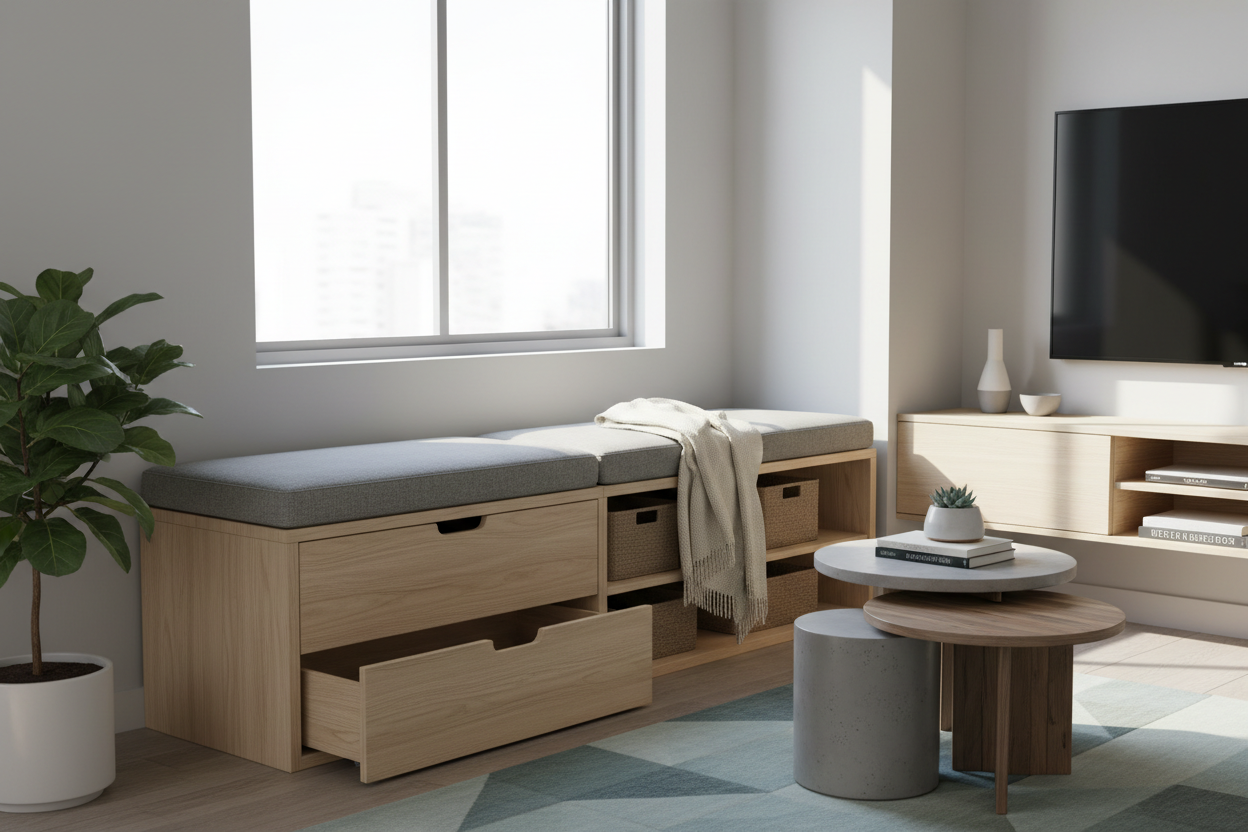
Finding furniture that fits into tight corners without sacrificing functionality is a constant struggle for homeowners. When you are dealing with a cramped foyer or a narrow hallway, standard furniture sizes often feel bulky and obstructive. This is where the specific dimensions of a compact seat come into play. A 24 inch wide entryway bench is often the exact solution needed for those awkward gaps between a doorframe and a coat closet. Unlike standard 48-inch or 60-inch pieces, a two-foot bench provides just enough surface area to sit and tie a shoe without dominating the floor plan.
Understanding the dimensions is the most critical part of this purchase. When people search for this size, there is often confusion between width, depth, and height. A 24 inch wide bench seat refers to the length from side to side—a very compact, one-person seat. However, requests for a bench 24 inches high or 24 inch deep bench refer to entirely different form factors that serve different ergonomic needs. Knowing exactly which dimension you are constrained by will save you from the hassle of returns and return shipping fees.
Maximizing Micro-Entryways
In many apartments and older homes, the "entryway" is essentially a landing strip just inside the front door. Placing a standard bench here blocks traffic. A 24 inch wide entryway storage bench is the gold standard for these micro-spaces. It serves a dual purpose: it acts as a designated drop zone for a bag or a seat for putting on boots, while the internal compartment hides the visual clutter of dog leashes, umbrellas, or winter accessories.
I recall working on a project in a post-war bungalow where the front door opened almost immediately onto the staircase. We had exactly 26 inches of wall space before the radiator cover began. A standard bench was out of the question. We sourced a 24 inch wood bench with a simple slat shelf underneath. It fit perfectly, allowing the homeowners to sit down to remove muddy boots without bumping their knees against the radiator. That specific width transformed a chaotic pass-through into a functional mudroom zone.
Material Selection: Wood vs. Upholstery
Once you have nailed down the size, the finish determines the longevity of the piece. A 24 inch upholstered bench adds softness and texture, making it an excellent choice for bedrooms, walk-in closets, or low-traffic living room corners. Velvet or linen fabrics can elevate the look of a room instantly. However, if this piece is destined for a high-traffic front door area, upholstery can be risky unless you opt for performance fabrics.
For rougher environments, a 24 inch wood bench is generally superior. Mud, water, and road salt wipe off timber easily. If you prefer the comfort of a cushion but need the durability of wood, you can always add a tie-on seat pad. This gives you the versatility to wash the fabric when it inevitably gets dirty, preserving the structure of the bench itself.
The Height Factor: Counter vs. Standard
Dimension confusion happens frequently with height. Most standard dining chairs and benches sit 18 to 20 inches off the floor. However, there is a specific market for a 24 inch high storage bench. This height is taller than a standard seat and aligns more closely with counter-height stools.
If you buy a bench 24 inches high intending to use it at a standard dining table, you will find your legs jammed against the table apron. These taller benches are best utilized as standalone storage units, window seats where the window sill is higher, or for use at a kitchen island overhang. Always measure your existing table or intended legroom before committing to this height.
Depth and Comfort
While width is about fitting the bench into a room, depth is about how the bench fits your body. A standard bench depth is usually around 15 to 18 inches. A 24 inch deep bench is significantly deeper—closer to the depth of a sofa. A 24 deep bench is rarely sold as a standalone small unit because a 24x24 inch bench is effectively a large ottoman or a square table.
You typically see this dimension in custom built-ins or daybed configurations. If you are building a window nook and want it to be comfortable for lounging rather than just perching, you want that 24 bench seat depth. It allows enough room to pile up throw pillows against the back wall and still have space to sit cross-legged. If you have a 24 inch deep bench in a narrow hallway, however, it will likely stick out too far and become a tripping hazard.
Versatility Beyond the Foyer
A 24 inch long bench is surprisingly versatile outside of the entryway. Because of its small footprint, it works exceptionally well as a bathroom vanity seat. In a master bath, having a place to sit while applying lotion or drying off adds a spa-like feel. The compact nature of a 24-inch piece means it can tuck under a floating vanity when not in use.
Another excellent application is at the foot of a twin bed. While a King or Queen bed demands a long bench, a twin bed looks overwhelmed by standard furniture. A 24 inch wide bench seat is proportionate to the smaller bed frame, providing a finished look without extending past the corners of the mattress. Whether you choose a 24 inch high storage bench for extra linens or a simple decorative stool, keeping the scale correct is the key to a cohesive interior design.
Final Thoughts on Measuring
Before purchasing, use painter's tape to mark the outline of the bench on your floor. This physical visualization helps you understand if a 24 inch wide entryway bench provides enough seating or if a 24 inch deep bench blocks your walkway. Dimensions on a screen can be deceptive, but the tape on the floor never lies. By matching your specific spatial constraints to the right keywords—whether it's height, depth, or width—you ensure the piece you buy is the piece that fits.
Frequently Asked Questions
Is a 24-inch wide bench too small for an adult to sit on?
No, a 24-inch width is sufficient for a single adult to sit comfortably. It is roughly the width of a generous dining chair or an armchair seat, making it perfect for tasks like putting on shoes, though it is not designed for two people.
What is the standard height for an entryway bench?
Standard bench height is typically between 18 and 20 inches. A bench that is 24 inches high is considered counter-height and may be too tall for comfortable shoe-tying unless you have long legs or prefer a perch-style seat.
Can I use a 24-inch deep bench in a narrow hallway?
Generally, no. A 24-inch depth is quite substantial and may block traffic flow in a standard hallway. For narrow corridors, look for a depth between 14 and 17 inches to ensure clear passage.

Leave a comment
This site is protected by hCaptcha and the hCaptcha Privacy Policy and Terms of Service apply.