










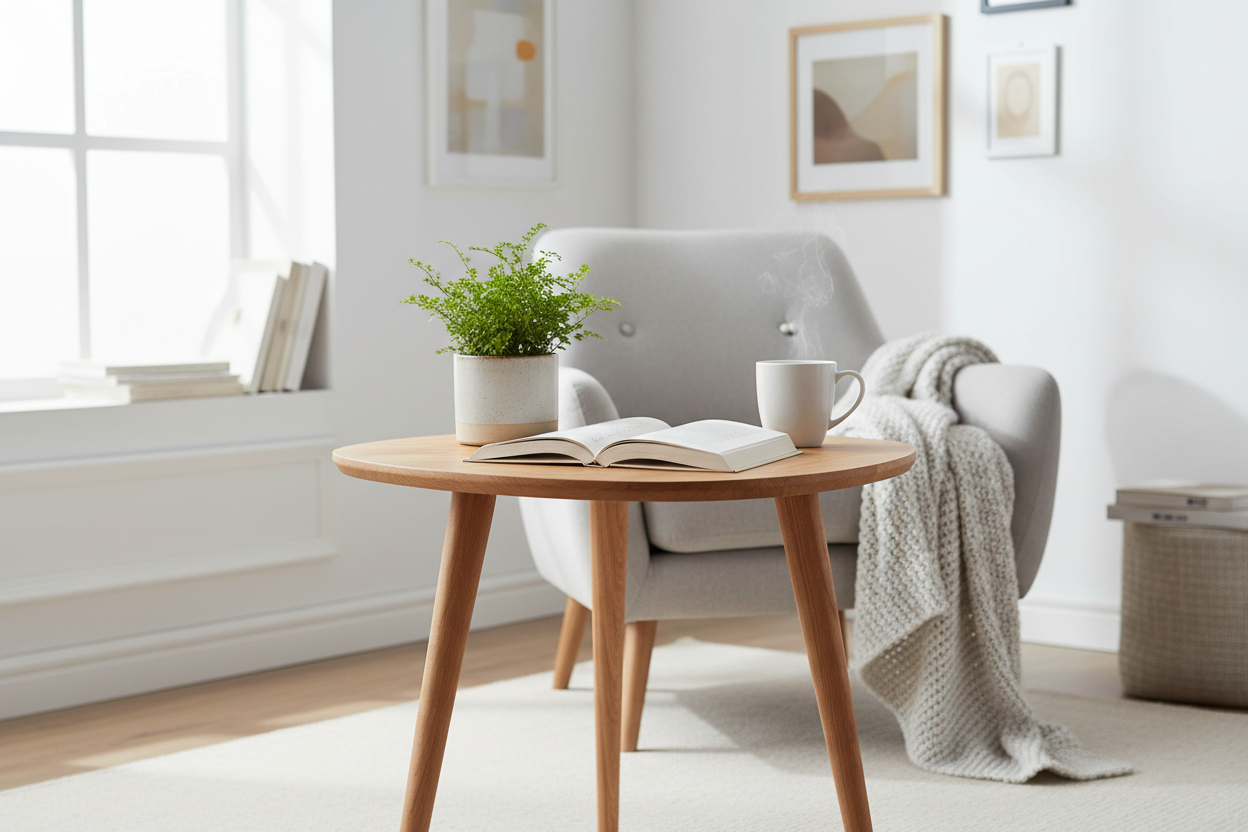
Birch wood furniture has quietly earned its reputation as one of the most versatile and beautiful choices for modern homes. If you're looking for a piece that combines durability with understated elegance, a birch side table could be exactly what your room needs. The pale, creamy tones of birch wood bring warmth without overwhelming a space, making it an ideal companion to virtually any decorating style.
I still remember the afternoon I brought home my first birch accent table from a local craftsman's shop. The grain pattern caught my eye immediately—those subtle, flowing lines that seemed to tell the story of the tree itself. What surprised me most was how that simple piece transformed the corner of my bedroom. It wasn't just functional; it became a conversation starter, a place where my morning coffee sat while I read, and somehow it made the entire room feel more intentional.
The Natural Beauty of Birch Wood
Birch stands apart from other hardwoods because of its distinctive appearance. The wood ranges from nearly white to pale yellow with occasional hints of pink or brown, creating a luminous quality that reflects light beautifully. This natural brightness makes birch wood side tables particularly effective in smaller rooms or spaces that don't receive abundant natural light.
The grain of birch is typically straight and fine, though you'll occasionally find pieces with dramatic flame or curly patterns that add visual interest. Unlike woods with heavy, pronounced graining, birch offers a more subtle texture that doesn't compete with other design elements in your room. This restraint is actually one of its greatest strengths—it plays well with others.
Durability That Stands the Test of Time
Don't let the pale color fool you into thinking birch is delicate. This hardwood ranks impressively on the Janka hardness scale, making birch end tables resistant to dents, scratches, and the general wear that comes with daily use. You can set down your keys, stack books, or place a heavy lamp without worrying about damaging the surface.
The tight grain structure of birch also means it's less prone to splintering than softer woods. This density contributes to the wood's longevity—a well-made birch wood end table can easily last for decades with proper care. The natural oils in birch wood help protect it from moisture damage, though you'll still want to use coasters and clean up spills promptly.
Versatility Across Design Styles
One of the most compelling reasons to choose a birch accent table is its chameleon-like ability to adapt to different aesthetics. In a Scandinavian-inspired room, birch feels right at home alongside clean lines and minimalist decor. The wood's Nordic origins make it a natural fit for this style, where simplicity and functionality reign supreme.
But birch doesn't limit itself to modern design. A birch side table can ground a bohemian space filled with textiles and plants, providing a neutral anchor point. In traditional settings, birch offers a lighter alternative to darker woods like mahogany or walnut, helping to keep the space from feeling too heavy or dated.
Finishing Options and Customization
Birch accepts stains beautifully, which opens up even more design possibilities. While many people appreciate the natural pale color, birch wood can be stained to mimic more expensive woods like cherry or walnut. The even grain ensures that stains apply uniformly without blotching, a common problem with woods like pine.
Clear finishes are equally popular, as they protect the wood while allowing its natural beauty to shine through. A simple oil or polyurethane coating enhances the grain pattern and adds a subtle sheen that catches the light. Some craftsmen leave birch unfinished for a raw, organic look, though this requires more maintenance to prevent staining.
Practical Considerations for Your Space
Size matters when selecting a birch end table. The standard height ranges from 22 to 30 inches, designed to align roughly with the arm of your sofa or the mattress height of your bed. The surface area varies widely—some tables offer just enough space for a lamp and a book, while others provide generous surfaces for displaying decorative objects or holding everyday items.
Think about your actual needs before making a purchase. If you're an avid reader who keeps multiple books on rotation, you'll want a table with a lower shelf or drawer. Coffee drinkers might prioritize a stable, spacious top surface. The beauty of birch is that it's commonly used by both mass manufacturers and custom woodworkers, so you can find options at various price points and configurations.
Caring for Your Birch Furniture
Maintenance for birch wood side tables is refreshingly straightforward. Regular dusting with a soft cloth keeps the surface clean, while occasional polishing with furniture wax maintains the finish. Avoid harsh chemical cleaners that can strip the wood's natural oils or damage protective coatings.
Birch is sensitive to extreme humidity changes, which can cause the wood to expand or contract. Try to maintain consistent indoor humidity levels, ideally between 40-60%. In dry winter months, a humidifier can prevent the wood from cracking. Conversely, in humid climates, ensure good air circulation to prevent moisture absorption.
Sustainability and Environmental Impact
Birch trees grow relatively quickly compared to hardwoods like oak or maple, making them a more sustainable choice. Many birch forests are managed responsibly, with new trees planted to replace harvested ones. If environmental impact concerns you, look for birch wood end tables certified by organizations like the Forest Stewardship Council (FSC), which ensures the wood comes from responsibly managed forests.
The manufacturing process for birch furniture typically generates less waste than working with harder, denser woods. Birch cuts cleanly and requires less energy to mill and shape, reducing the carbon footprint of production. Smaller pieces and offcuts from birch often get repurposed into plywood or particle board, minimizing waste.
Investment Value
Quality birch furniture represents a middle ground in pricing—more affordable than exotic hardwoods but more durable than pine or particleboard alternatives. A solid birch accent table typically costs less than comparable pieces in walnut or oak, making it accessible for various budgets without sacrificing quality.
The timeless appearance of birch means your table won't look dated in five years. Unlike trendy materials that fall out of fashion, natural wood maintains its appeal across decades. This longevity makes birch a smart investment, as you won't need to replace it when design trends shift.
Finding the Right Piece
Shopping for a birch side table offers numerous options. Furniture stores, both physical and online, stock various styles from different manufacturers. Antique shops sometimes carry vintage birch pieces with unique character and patina. Local craftspeople and woodworkers can create custom tables tailored to your exact specifications and space requirements.
When evaluating a potential purchase, examine the construction quality. Look for solid wood construction rather than veneer over particleboard. Check that joints are tight and secure—dovetail or mortise-and-tenon joints indicate superior craftsmanship. The finish should be smooth and even, without rough patches or visible glue.
Consider how the table will function in your daily life. Open the drawers if it has them—they should slide smoothly without sticking. If there's a lower shelf, ensure it's sturdy enough to hold the items you plan to store there. These practical details matter just as much as aesthetics.
Pairing with Other Furniture
Birch's neutral tone makes it exceptionally easy to coordinate with existing furniture. It complements both warm and cool color palettes, serving as a bridge between different wood tones in a room. If you have darker furniture, a birch wood end table can lighten the overall feel without creating jarring contrast.
The wood also pairs beautifully with metal accents. A birch table with hairpin legs or brass hardware adds an industrial or mid-century modern touch. Glass tops on birch bases create an airy, contemporary look that works well in smaller spaces where visual weight matters.
Frequently Asked Questions
How does birch compare to oak for side tables?
Birch is slightly softer than oak but still quite durable for furniture use. The main difference lies in appearance—birch has a finer, more subtle grain and lighter color, while oak features pronounced grain patterns and warmer tones. Birch typically costs less than oak and accepts stains more evenly, making it versatile for different finishes.
Can birch side tables work in high-humidity environments?
Birch can handle moderate humidity but requires proper finishing to protect it in consistently humid environments like bathrooms or basements. A quality polyurethane or lacquer finish creates a moisture barrier that prevents warping and water damage. Maintaining consistent humidity levels and ensuring good ventilation helps preserve the wood's integrity regardless of climate.
Are birch tables suitable for homes with children and pets?
Absolutely. Birch's hardness makes it resistant to the bumps and scratches that come with active households. The wood's durability means it can withstand daily wear better than softer alternatives. A good finish adds an extra layer of protection against spills and stains, making maintenance easier when accidents happen.

Leave a comment
This site is protected by hCaptcha and the hCaptcha Privacy Policy and Terms of Service apply.