










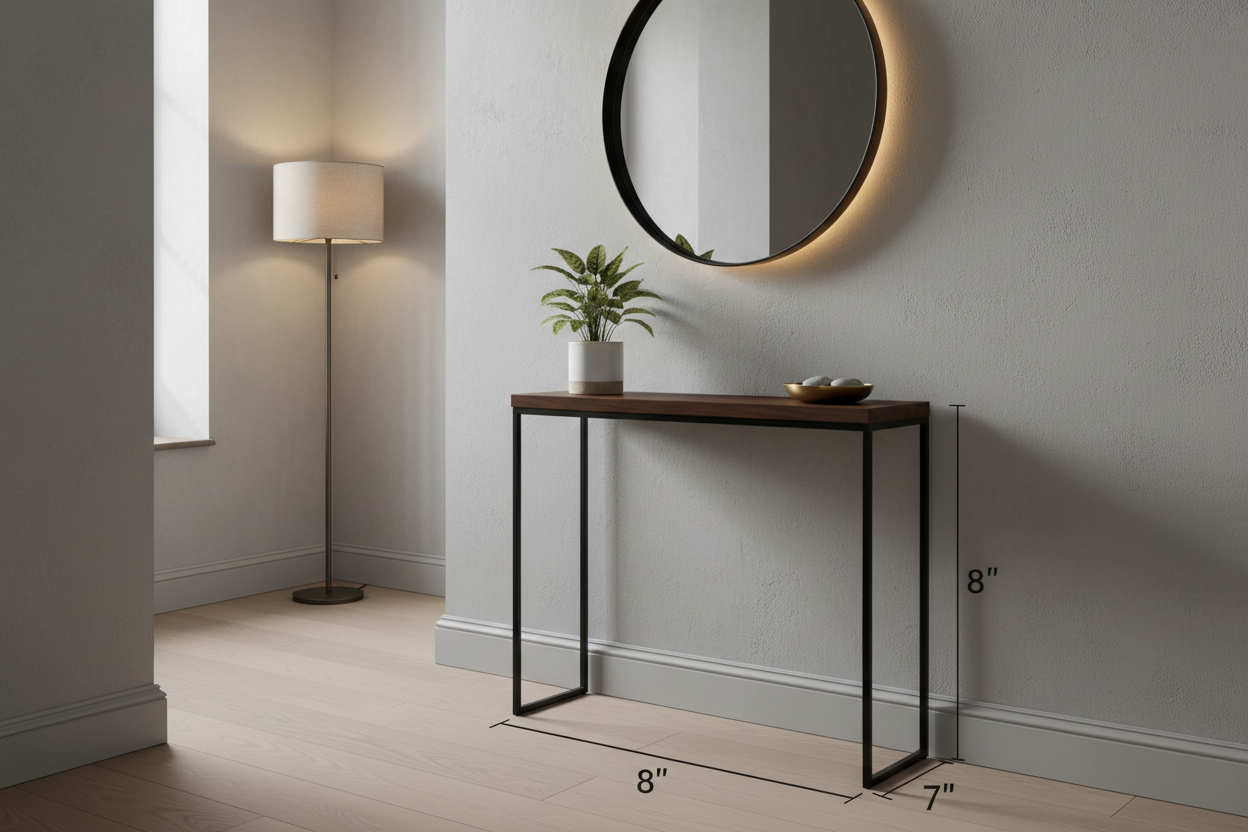
Narrow tables have become my saving grace in our urban apartment. After moving from a spacious suburban home to a compact city dwelling, I quickly realized that standard furniture just wouldn't cut it anymore. That's when I discovered the versatility and practicality of slender table designs that maximize functionality without eating up precious floor space.
A long narrow table serves multiple purposes depending on where you place it. Behind your sofa, it creates a convenient spot for lamps, books, and decorative items while adding visual depth to your living room. Along a hallway, it transforms dead space into a functional display area. In an entryway, it becomes the perfect catch-all for keys, mail, and those items you grab on your way out the door.
Understanding Narrow Table Dimensions
The typical long skinny table measures between 10 to 16 inches in depth, though some ultra-slim designs go as narrow as 8 inches. Length varies widely, ranging from 36 inches for compact spaces up to 72 inches or more for expansive walls. Height usually sits around 28 to 32 inches, similar to standard console tables, though you'll find variations designed specifically for behind-sofa placement that might be slightly taller.
These measurements matter because they determine how well the table fits your space and serves your needs. Measure your available area carefully, leaving at least 30 inches of walking space in hallways and entryways. The last thing you want is a beautiful table that turns your corridor into an obstacle course.
Materials That Make a Difference
Wood remains the most popular choice for long thin table designs, offering warmth and durability. Oak, walnut, and pine each bring distinct character to your space. Reclaimed wood adds rustic charm and environmental consciousness to your purchase. Metal frames paired with wood tops create an industrial aesthetic that works beautifully in modern lofts and contemporary homes.
Glass tops on metal bases keep sight lines open, making small spaces feel larger. This combination works particularly well in narrow entryways where you want to maintain an airy feeling. Marble or stone surfaces add luxury and weight, though they come with higher price tags and require more maintenance.
Storage Solutions for Compact Living
A long narrow table with storage takes functionality to another level. Drawers provide hidden compartments for clutter you'd rather keep out of sight—think mail, charging cables, pet supplies, or craft materials. Shelves underneath offer display space for baskets, books, or decorative boxes that add both style and organization.
I installed a narrow table with two drawers in our entryway last year, and the difference has been remarkable. No more frantic searches for dog leashes or sunglasses. Everything has its designated spot, hidden behind sleek drawer fronts that maintain the clean aesthetic we wanted.
Some designs incorporate cabinets, wine racks, or specialized compartments. Consider what you'll actually store before committing to a particular configuration. Open shelving looks beautiful but requires consistent tidying to avoid a cluttered appearance. Closed storage hides mess but might make the piece feel heavier visually.
Styling Your Narrow Table
The long narrow accent table shines when styled thoughtfully. Start with varying heights—a tall lamp or vase, medium-height framed photos or artwork, and low items like books or decorative bowls. This creates visual interest and draws the eye along the table's length.
Group items in odd numbers, which feels more natural and dynamic than even groupings. Three candlesticks look more intentional than two or four. Layer items by placing some against the wall and others toward the front edge, creating depth.
Seasonal styling keeps your space fresh. Spring branches in a tall vase, summer shells in a bowl, autumn pumpkins and gourds, winter evergreen and candles—these simple swaps make your narrow table feel current without requiring complete redesigns.
Room-Specific Applications
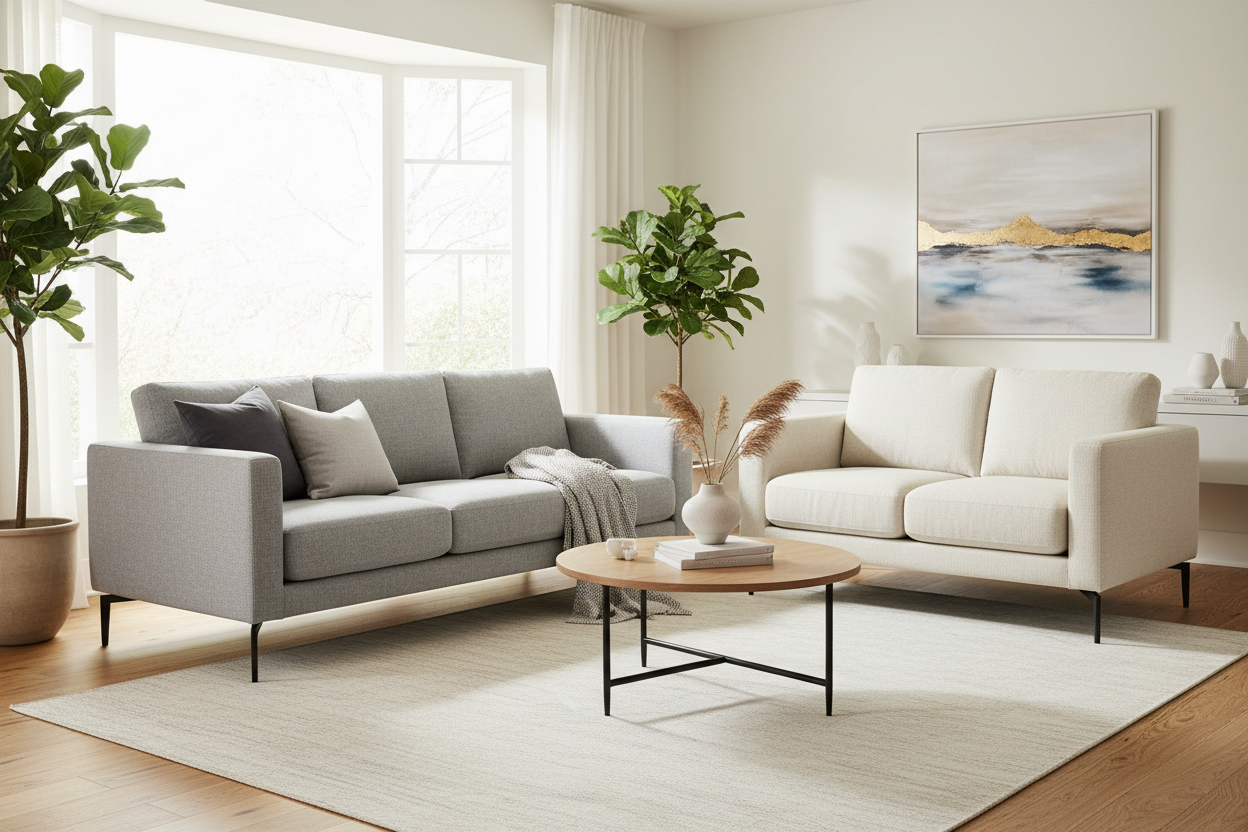
Behind the sofa, a narrow table adds functionality to otherwise wasted space. Position table lamps for reading light, add charging stations for devices, or create a mini bar setup for entertaining. The height should align with or sit slightly below the sofa back for proper proportions.
Hallway placement demands careful width consideration. Measure your hallway and subtract the minimum 30-inch clearance needed for comfortable passage. What remains determines your maximum table depth. Hallway tables benefit from mirrors hung above them, which bounce light and create the illusion of more space.
Dining rooms can use narrow tables as buffet servers during meals or bar setups during parties. The slim profile means they don't intrude on dining space when not actively in use. Some people even use them as compact dining tables in studio apartments, pairing them with stools or benches.
Shopping Smart
Quality construction matters more than price point. Check joints for stability—wobbling in the store means worse wobbling at home. Drawers should glide smoothly without sticking or falling out entirely. Finishes should be even without drips, bubbles, or thin spots that expose underlying materials.
Assembly requirements vary wildly. Some arrive fully assembled, others require extensive setup. Read reviews specifically mentioning assembly difficulty if you're not confident with tools. Missing hardware or unclear instructions can turn a simple project into an all-day frustration.
Return policies provide peace of mind, especially for online purchases. Colors and proportions that look perfect on screen sometimes disappoint in person. Make sure you can return or exchange items that don't work in your actual space.
Maintenance and Longevity
Wood tables need occasional conditioning to prevent drying and cracking. Use coasters religiously to avoid water rings and heat damage. Dust regularly with microfiber cloths that trap particles rather than spreading them around.
Metal components benefit from periodic tightening as screws naturally loosen with use and movement. Keep a small toolkit handy for quick adjustments. Glass surfaces show every fingerprint and smudge, requiring frequent cleaning with glass cleaner and lint-free cloths.
Protect floors underneath table legs with felt pads, replacing them when they wear thin. This prevents scratches during cleaning or rearranging and helps the table slide smoothly when you need to move it.
FAQ
What's the ideal depth for a narrow table behind a couch?
Most behind-sofa tables work best at 10 to 14 inches deep. This provides enough surface area for lamps and decor without making the sofa feel pushed too far into the room. Measure from your wall to the sofa back and subtract a few inches to determine your maximum depth.
Can narrow tables work as desks for small spaces?
Absolutely, though comfort depends on depth. Look for tables at least 16 inches deep if you'll use a laptop regularly, and ensure the height is comfortable for typing—typically 28 to 30 inches. Adding a keyboard tray underneath can make shallower tables more ergonomic for extended work sessions.
How do I prevent a long narrow table from looking empty or bare?
Use the rule of thirds by dividing the table length into three sections and placing grouped items in two of them, leaving one section more open. Vary heights and textures, and don't feel obligated to fill every inch—negative space actually makes displays more sophisticated and intentional.


Leave a comment
This site is protected by hCaptcha and the hCaptcha Privacy Policy and Terms of Service apply.