










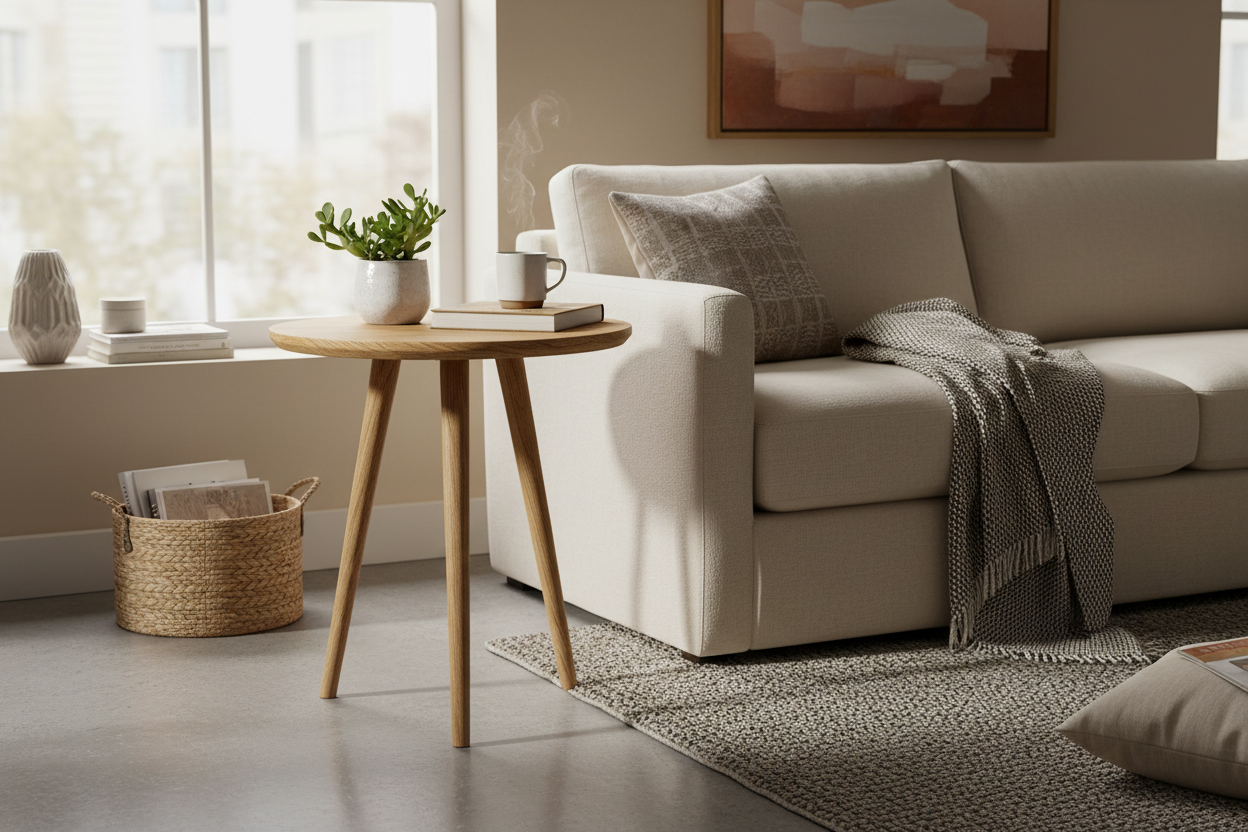
There's something undeniably warm about natural wood furniture that manufactured materials just can't replicate. A round natural wood side table brings organic texture and timeless appeal to any space, whether you're furnishing a cozy apartment or redesigning your family home. These versatile pieces work beautifully beside sofas, armchairs, or beds, offering both function and aesthetic charm without overwhelming a room.
The beauty of choosing a natural wood round end table lies in its adaptability. Unlike rigid geometric shapes, circular tables soften the visual flow of a room and make navigation easier—particularly important in smaller spaces where every inch counts. The absence of sharp corners means fewer bruised shins and a more forgiving layout when rearranging furniture or accommodating guests.
The Enduring Appeal of Natural Wood
Wood grain tells a story. Each natural wood side table round in design carries unique patterns, color variations, and character marks that make it genuinely one-of-a-kind. Oak offers durability with prominent grain patterns, while walnut provides rich, dark tones that deepen with age. Maple tends toward lighter hues with subtle grain, and teak brings weather-resistant qualities that work both indoors and out.
I learned this firsthand when I purchased a walnut round table for my reading nook three years ago. What initially drew me in was the swirling grain pattern near one edge—an imperfection that the salesperson apologized for. That "flaw" has become my favorite feature, a natural artwork that catches afternoon light in the most beautiful way. Mass-produced furniture simply cannot offer this kind of individual character.
The finish you choose dramatically affects both appearance and maintenance. Oil finishes penetrate the wood, enhancing natural grain while requiring occasional reapplication. Polyurethane creates a protective barrier that's more resistant to water rings and scratches. Wax finishes offer a soft sheen and pleasant tactile experience but need more frequent care. Each option presents trade-offs between aesthetics and practicality.
Size and Proportion Considerations
A round natural wood end table should relate proportionally to the furniture it accompanies. The tabletop typically sits at or slightly below the arm of your sofa or chair—usually between 22 and 30 inches high. This height makes reaching for a coffee mug or book effortless without awkward stretching.
Diameter matters too. Compact 16-inch rounds fit snugly in tight corners, while 24-inch versions provide generous surface area for lamps, books, and decorative objects. Going larger than 26 inches starts to blur the line between side table and coffee table territory, though this can work beautifully in spacious rooms or when floating furniture away from walls.
Matching Your Interior Style
The versatility of a natural wood end table round in shape means it transcends specific design movements. Mid-century modern spaces benefit from tapered legs and minimalist silhouettes in teak or walnut. Farmhouse aesthetics pair wonderfully with chunkier pine or reclaimed wood pieces that embrace rustic imperfections. Scandinavian interiors favor light ash or birch with clean lines and functional simplicity.
Contemporary rooms can accommodate bold wood choices—a live-edge table with natural bark inclusion creates striking contrast against sleek sofas and abstract art. Traditional settings welcome ornate turned legs and rich mahogany or cherry finishes. The wood species and construction details allow you to fine-tune the table's personality to complement existing decor.
Practical Benefits Beyond Aesthetics
Stability is where round tables truly shine. The circular footprint distributes weight evenly, and many designs feature tripod or pedestal bases that eliminate the leg-bumping frustration common with rectangular tables. This configuration also maximizes usable floor space underneath—perfect for tucking a basket of magazines or your dog's favorite spot.
Natural wood ages gracefully when properly maintained. Small scratches and dents often blend into the existing grain pattern rather than standing out as damage. This forgiving quality makes wood furniture practical for homes with children or pets. A light sanding and fresh finish can restore the surface years down the line, something impossible with veneer or laminate alternatives.
Temperature regulation is an underappreciated advantage. Wood doesn't conduct heat or cold like metal and glass, so your morning coffee won't leave condensation rings, and the surface remains comfortable to touch regardless of season. This natural insulation also means the table won't amplify noise when you set down objects—a subtle but appreciated quality in open-concept living spaces.
Shopping Smart for Quality
Construction methods reveal a lot about longevity. Solid wood tables—where the entire piece comes from real timber—represent the gold standard. Wood veneer over engineered cores can still offer good value if the veneer is thick enough (look for at least 1/8 inch) and properly adhered. Avoid anything described as "wood-look" or "wood-grain," which typically means printed plastic or paper.
Joint construction tells you whether a table will wobble after a year. Mortise-and-tenon joints, where one piece fits snugly into another, provide superior strength. Dowel joints work well when properly glued. Be wary of pieces held together solely by screws or brackets, which can loosen with use and create annoying rattles.
The base deserves careful examination. Pedestal styles should feel substantial and well-balanced—lift one edge slightly to test stability. Multi-leg designs should have legs positioned to prevent tipping. Check that any adjustable feet work smoothly and lock securely, as these help compensate for uneven floors.
Caring for Your Investment
Regular dusting with a soft cloth prevents buildup that can dull the finish over time. For deeper cleaning, a slightly damp cloth followed immediately by drying works for most finishes. Avoid commercial furniture polishes that contain silicone, as these create buildup that's difficult to remove and interferes with future refinishing.
Coasters remain your best defense against water rings, though accidents happen. If you spot a white mark from moisture, try gently rubbing with a paste of baking soda and water, or use a hair dryer on low heat while moving it constantly. These methods work surprisingly well on fresh marks.
Seasonal changes affect wood, which expands in humidity and contracts in dry conditions. This natural movement is normal, though extreme fluctuations can cause cracking. Maintaining relatively consistent indoor humidity—ideally 35-55%—helps preserve your furniture. A small humidifier in winter and dehumidifier in summer can make a meaningful difference.
Making the Right Choice for Your Space
Before purchasing, measure your intended placement area and consider traffic flow. Leave at least 18 inches between the table and other furniture for comfortable movement. Photograph the space from multiple angles to reference while shopping—this helps you visualize how different styles and finishes might look.
Think about your actual usage patterns. If the table will primarily hold a reading lamp and current book, a smaller diameter works perfectly. If you entertain frequently and need space for multiple drinks and snacks, size up. A lower shelf or drawer adds storage without increasing the footprint, though these features can increase cost.
Color coordination matters less than you might think with natural wood. The organic tones typically harmonize with various palettes, though consider whether warm or cool undertones better complement your existing furniture. Bringing fabric swatches or paint chips when shopping helps make these comparisons easier.
Frequently Asked Questions
Can I use a round wood side table outdoors?
Some wood species like teak, cedar, and acacia naturally resist moisture and insects, making them suitable for covered outdoor areas. However, most indoor furniture lacks the weather-resistant finishes needed for prolonged outdoor exposure. If you want to use a table on a patio, look specifically for outdoor-rated pieces or plan to bring it inside during inclement weather and winter months.
How do I remove sticky residue from tape or stickers?
Gently rub the area with a small amount of mineral oil or mayonnaise, let it sit for a few minutes, then wipe clean with a soft cloth. For stubborn residue, a plastic scraper held at a low angle can help without scratching the finish. Avoid acetone or harsh solvents, which can damage wood finishes.
Is solid wood always better than veneer?
Solid wood offers superior durability and refinishing potential, but high-quality veneer can be more stable and affordable while still looking beautiful. Veneer also allows manufacturers to use exotic woods more sustainably by applying thin layers over stable cores. The key is ensuring the veneer is thick enough to withstand normal use and that the core material is solid hardwood or quality plywood rather than particleboard.


Leave a comment
This site is protected by hCaptcha and the hCaptcha Privacy Policy and Terms of Service apply.