










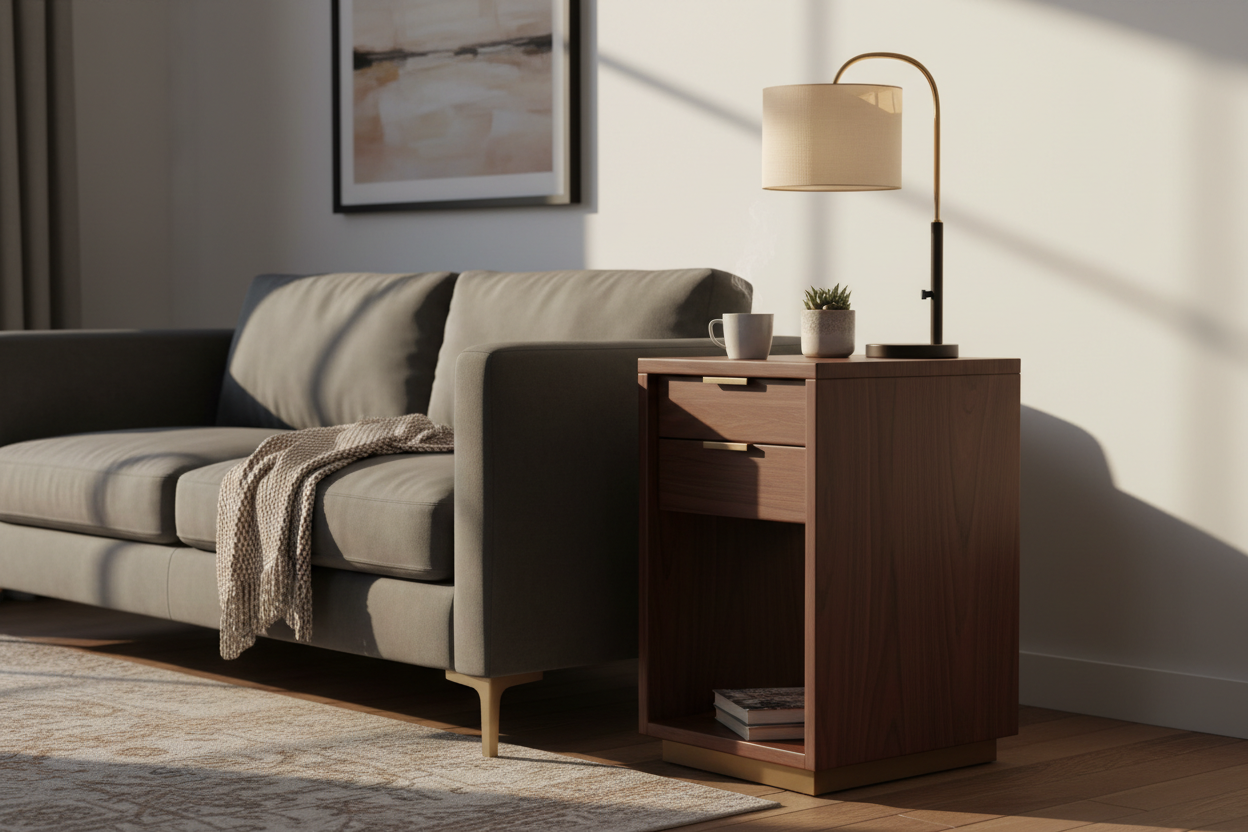
Finding furniture that fits into tight spaces while providing storage can feel impossible. I spent months searching for something that would slide perfectly next to my sofa without overwhelming the room, and that's when I discovered the world of narrow side tables with drawers. These slim pieces have become essential in modern homes where every inch counts, offering both surface space and hidden storage in footprints as small as 10 inches wide.
A long narrow side table with drawers serves multiple purposes that traditional end tables simply can't match. The elongated design means you can position it against walls, behind sofas, or even in hallways where standard furniture would block pathways. The drawers add a crucial element—somewhere to tuck away remote controls, charging cables, reading glasses, and all those small items that tend to clutter surfaces. I use mine to store coasters, a small notepad, and my collection of lip balms that used to migrate all over the house.
The beauty of these tables lies in their versatility. Unlike bulky furniture that commits you to a specific layout, a narrow profile means you can experiment with placement. I've moved mine three times in the past year alone—first beside the sofa, then along an empty wall to create a mini console area, and currently it lives in my entryway as a catch-all for keys and mail.
Choosing the Right Dimensions for Your Space
Width matters more than you might think. Most narrow sofa side tables with drawers range from 8 to 15 inches deep, which allows them to nestle into spaces that would otherwise go unused. Measure the gap between your sofa and the wall, or the width of your hallway, before shopping. I learned this the hard way after ordering a table that was just two inches too wide for my intended spot.
Length varies widely, from compact 24-inch models to impressive 60-inch pieces that can serve as console tables. Consider what you'll place on top—a lamp, a plant, a few books—and ensure the surface area accommodates your needs. The drawer configuration matters too. Some tables feature one long drawer running the full length, while others have two or three smaller compartments. Multiple drawers help with organization, letting you separate different categories of items.
Material and Color Considerations
A narrow white side table with drawers offers particular advantages in smaller spaces. White reflects light, making rooms feel more open and airy. This color choice also provides flexibility in decorating—white furniture adapts to changing color schemes without requiring replacement. I've shifted my living room from blue and gray to warmer terracotta tones, and my white side table transitioned seamlessly.
That said, material quality trumps color. Solid wood construction provides durability and longevity, though it comes at a higher price point. Engineered wood with quality veneers offers a middle ground, delivering attractive finishes at more accessible prices. Metal frames with wood tops create an industrial aesthetic while ensuring stability. Check drawer construction carefully—dovetail joints and smooth glides indicate quality that will withstand daily use.
Styling Without Overwhelming the Space
The narrow profile that makes these tables practical also presents a styling challenge. You're working with limited surface area, so every item needs to earn its place. I keep mine simple: a small lamp, a single decorative object, and a coaster for my coffee mug. This restraint prevents the table from looking cluttered while maintaining functionality.
Vertical elements work beautifully on narrow tables. A tall, slender vase with branches or a narrow table lamp draws the eye upward, creating visual interest without consuming precious horizontal space. Avoid wide, spreading arrangements that overhang the edges—they disrupt the clean lines that make narrow furniture work in tight spaces.
Practical Applications Throughout the Home
These tables excel in living rooms, obviously, but their utility extends far beyond. In bedrooms, they serve as space-saving nightstands, providing drawer storage for personal items while occupying minimal floor space. Hallways and entryways benefit from their slim profiles—you gain a surface for keys and mail without creating an obstacle course.
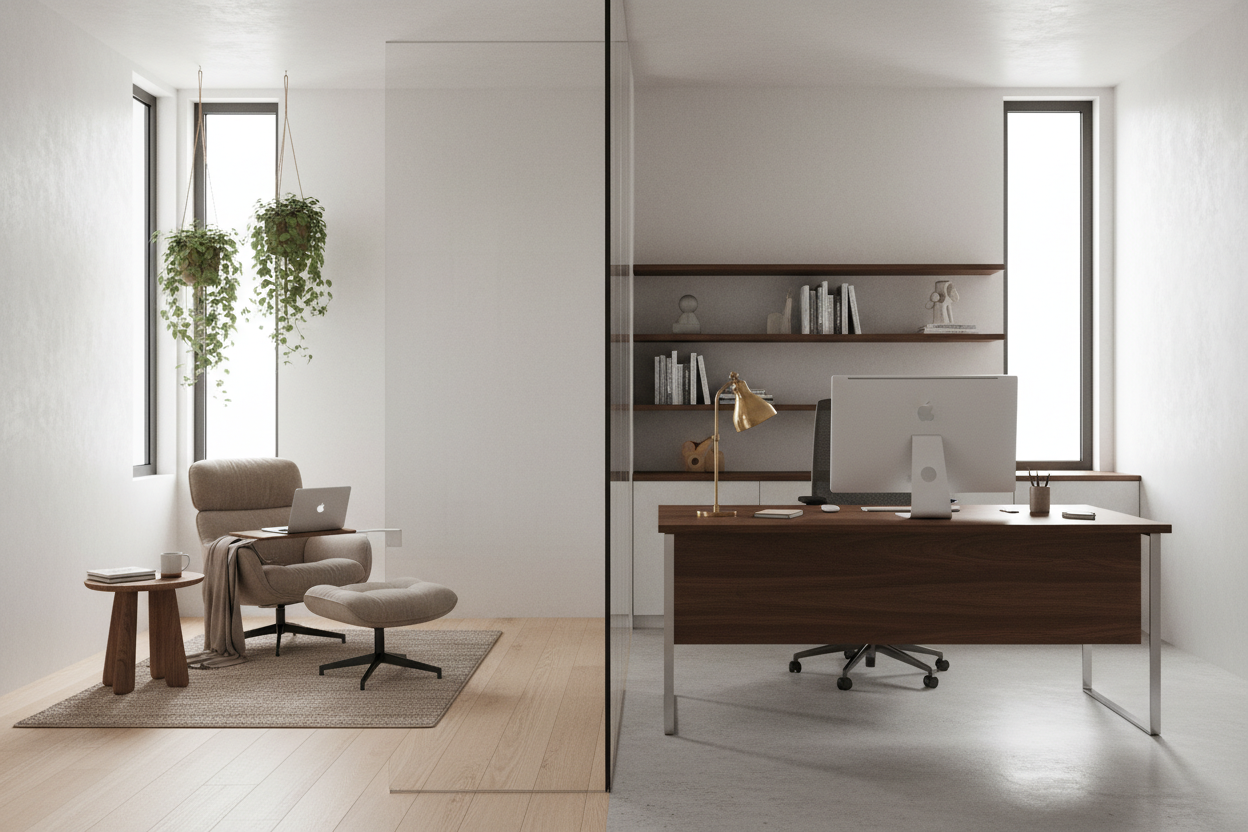
I've seen creative uses in home offices too, where a long narrow table with drawers becomes a printer stand or a supplementary work surface. The drawers hold office supplies, keeping them accessible but out of sight. In dining areas, these tables can function as compact bar carts or serving stations during gatherings.
Assembly and Installation Tips
Most narrow side tables arrive flat-packed, requiring assembly. Set aside more time than the instructions suggest—rushing leads to misaligned drawers and wobbly legs. Organize all hardware before starting, and use a power drill on low torque for screws to avoid stripping the wood.
Pay special attention to drawer assembly. Proper alignment during construction ensures smooth operation for years. If drawers stick or resist closing, check that the slides are level and fully seated in their tracks. A few minutes of careful adjustment during assembly saves frustration later.
Maintenance and Longevity
Narrow tables endure significant wear in high-traffic areas. Protect surfaces with coasters and felt pads under decorative objects. Dust regularly, paying attention to drawer tracks where debris accumulates and interferes with smooth operation. For white finishes, address scuffs and marks promptly—magic erasers work wonders on painted surfaces, though test an inconspicuous area first.
Drawer pulls and handles loosen over time. Check and tighten them every few months to prevent damage to drawer fronts. If your table sits near a window, be mindful of sun exposure, which can fade finishes unevenly. Rotating decorative items occasionally helps maintain consistent coloring.
Frequently Asked Questions
What's the ideal depth for a side table next to a sofa?
Between 10 and 12 inches works best for most situations. This depth provides enough surface area for a lamp and a drink while allowing comfortable movement around the sofa. Anything narrower than 8 inches becomes impractical for everyday use, while tables deeper than 15 inches start to intrude into living space.
Can narrow side tables support heavy items like lamps?
Yes, provided they're well-constructed. Look for solid wood or metal frames rather than hollow particleboard. Check weight ratings if available, and ensure the table sits level on your floor. I keep a fairly heavy ceramic lamp on mine without any issues, but I avoided the cheapest options during my search.
How do I prevent a narrow white table from showing every mark?
Choose tables with durable, washable finishes rather than flat paint. Lacquered or sealed surfaces resist staining and clean easily with a damp cloth. Establishing habits helps too—using coasters consistently and wiping spills immediately prevents most problems. A light cleaning weekly keeps white furniture looking fresh without requiring intensive maintenance.

Leave a comment
This site is protected by hCaptcha and the hCaptcha Privacy Policy and Terms of Service apply.