










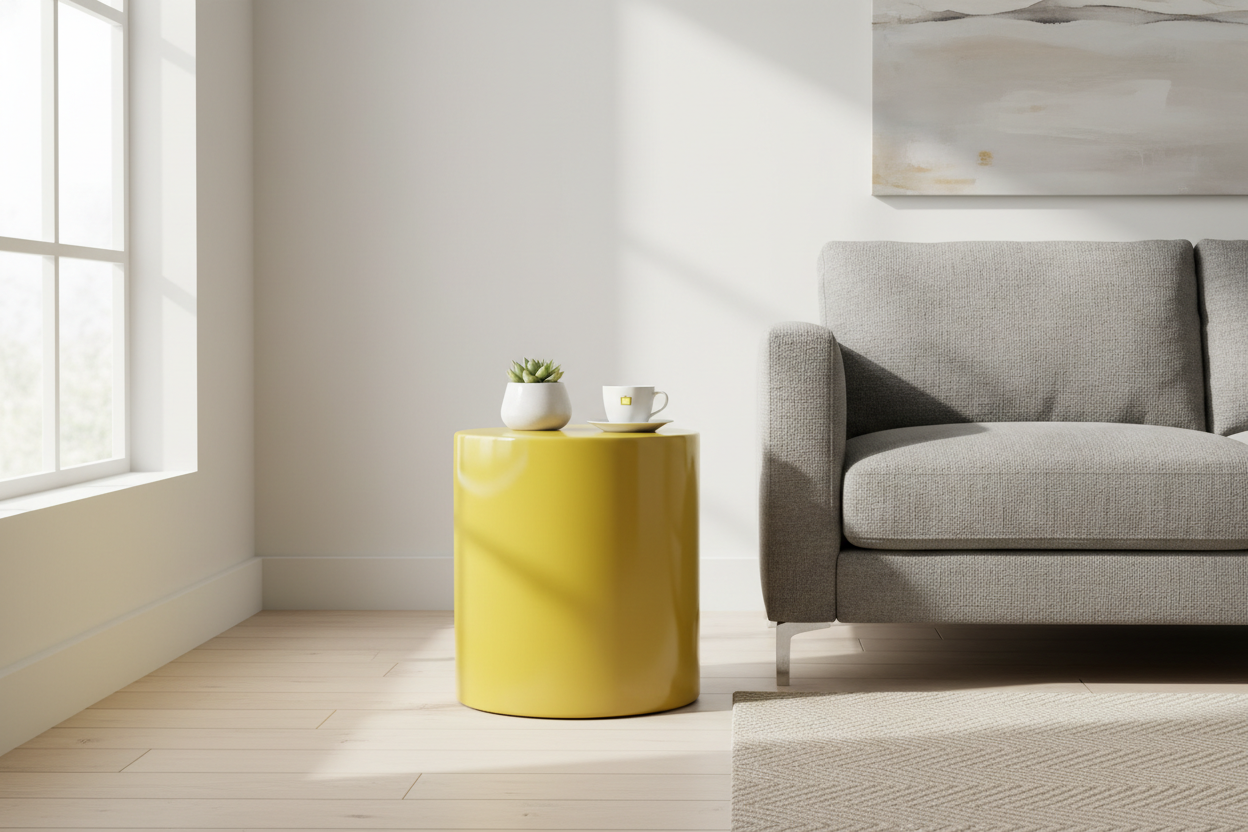
Yellow side tables have this remarkable ability to transform a room from ordinary to memorable without overwhelming your existing decor. Whether you're working with a neutral palette that needs a pop of energy or trying to complement other warm tones, these versatile pieces offer both function and personality. The beauty of incorporating yellow into your furniture lies in its range—from soft buttery hues to bold mustard tones—making it surprisingly easy to find the right shade for your space.
I discovered this myself after years of playing it safe with wood and white furniture. My living room felt complete but somehow lifeless until I brought home a small yellow end table from a local vintage shop. That single piece changed how I thought about color in furniture. Suddenly, the room had a focal point, and guests always commented on it. It taught me that sometimes the smallest additions make the biggest impact.
Understanding Different Styles of Yellow Tables
The market offers an impressive variety of yellow table designs, each serving different aesthetic and practical purposes. A yellow drum table, for instance, brings a sculptural quality to your space with its cylindrical shape. These tables work beautifully as standalone accent pieces and often feature hidden storage inside the drum itself. Their compact footprint makes them ideal for smaller apartments or cozy reading nooks.
Modern yellow side tables tend to embrace clean lines and minimalist design principles. You'll find geometric bases, sleek metal frames, and glossy finishes that reflect contemporary sensibilities. These pieces pair exceptionally well with mid-century modern furniture or Scandinavian-inspired interiors. The key is their ability to add warmth without sacrificing the streamlined aesthetic that modern design demands.
For those dealing with limited square footage, a yellow c table offers a clever solution. The C-shaped design slides under sofas or chairs, bringing the tabletop exactly where you need it. This makes them perfect for laptop work, coffee cups, or remote controls. Despite their practical nature, manufacturers haven't sacrificed style—many feature powder-coated metal frames or interesting material combinations.
Choosing the Right Size and Configuration
Size matters tremendously when selecting a small yellow side table. Measure the space next to your sofa or chair before shopping. A general rule suggests your side table should be within two inches of your seating's arm height, though personal preference can override this guideline. Small yellow end tables typically range from 18 to 24 inches tall, making them versatile enough for most furniture arrangements.
Yellow nesting tables deserve special consideration if you entertain frequently or need flexible furniture solutions. These sets typically include two or three tables of graduated sizes that tuck neatly together when not in use. Pull them apart when guests arrive, and you've instantly created multiple surfaces for drinks and snacks. The yellow finish ensures they remain decorative even when nested together as a single unit.
Storage Considerations
A yellow end table with storage multiplies its value by hiding clutter while maintaining style. Drawers, shelves, or cabinet doors transform a simple surface into a multifunctional piece. This becomes particularly valuable in living rooms where you need to stash remotes, magazines, charging cables, or reading glasses. The storage compartment keeps these items accessible but out of sight, maintaining your room's visual calm.
Some designs incorporate open shelving, which works well for displaying decorative objects or keeping frequently used items within reach. Others feature closed storage, better suited for concealing less attractive necessities. Consider your specific needs—if you're someone who accumulates coffee table books and throws, open shelving might showcase your collections. If you prefer minimalism, closed storage maintains cleaner lines.
Integrating Yellow Tables into Your Decor
A yellow living room table functions as more than furniture—it's a design statement that influences your entire color scheme. Gray upholstery provides an elegant backdrop that makes yellow truly sing. Navy blue creates a sophisticated contrast that feels both classic and contemporary. Even all-white rooms benefit from yellow's sunny disposition, preventing the space from feeling sterile or cold.
The shade of yellow you choose dramatically affects the mood. Pale lemon yellows feel fresh and airy, perfect for coastal or cottage styles. Goldenrod and mustard tones bring richness and depth, complementing bohemian or eclectic spaces. Bright canary yellows inject energy and playfulness, ideal for modern or maximalist interiors. Consider your room's natural light, too—south-facing rooms can handle cooler yellows, while north-facing spaces benefit from warmer tones.
Material and Finish Options
Modern yellow tables come in various materials, each offering distinct advantages. Metal tables with powder-coated finishes provide durability and a contemporary edge. They're easy to clean and maintain, making them practical for homes with children or pets. Wooden tables painted yellow offer warmth and texture, with visible grain adding character beneath the color. These pieces often suit traditional or transitional spaces better than ultra-modern rooms.
Glass-topped tables with yellow bases create visual lightness, preventing the color from overwhelming smaller spaces. The transparency of glass allows the yellow element to shine while maintaining an open, airy feeling. Lacquered finishes deliver high-gloss sophistication, reflecting light and adding glamour. Matte finishes feel more understated and casual, absorbing rather than reflecting light.
Practical Placement and Styling Tips
Position matters as much as the piece itself. Beside a sofa, your yellow table becomes a functional landing spot for beverages and books. Between two chairs, it creates a conversation area. In a bedroom, it serves as a nightstand alternative that breaks from traditional furniture sets. Don't overlook unconventional placements—a small yellow side table can anchor an empty corner or fill an awkward gap in your floor plan.
Style your table thoughtfully to enhance rather than compete with its color. A simple table lamp with a neutral shade provides function without visual clutter. A small plant in a white or terracotta pot complements yellow beautifully. Avoid overcrowding the surface—yellow makes such a strong statement that less is genuinely more. One or two carefully chosen objects create more impact than a cluttered collection.
Texture plays a supporting role in making your yellow table feel intentional rather than random. Pair smooth, glossy yellow with rough textures like jute rugs or linen upholstery. Combine matte yellow with velvet or silk for subtle luxury. These textural contrasts prevent the space from feeling one-dimensional while allowing the color to remain the star.
Maintenance and Longevity
Yellow furniture requires no special maintenance beyond regular cleaning, though the specific care depends on material. Painted wood benefits from occasional dusting and gentle cleaning with appropriate wood cleaners. Avoid harsh chemicals that might damage the finish. Metal frames need only wiping with a damp cloth, though you should dry them immediately to prevent water spots on glossy finishes.
Quality construction ensures your investment lasts. Check joints and connections before purchasing—wobbly tables won't improve with time. Solid wood or metal frames outlast particle board alternatives. If ordering online, read reviews specifically mentioning durability and assembly quality. A well-made yellow table should serve you for many years, potentially outlasting trendier neutral pieces that blend into the background.
Frequently Asked Questions
Will a yellow table clash with my existing furniture?
Yellow is surprisingly versatile and complements most color schemes. It pairs beautifully with neutrals like gray, white, and beige, and creates sophisticated contrasts with navy, charcoal, and even black. The key is choosing the right shade of yellow for your space—warmer yellows work with earth tones, while cooler yellows suit modern palettes.
How do I clean and maintain a yellow painted table?
Regular dusting with a soft cloth keeps yellow tables looking fresh. For deeper cleaning, use a slightly damp cloth with mild soap, then dry immediately. Avoid abrasive cleaners or scrubbing, which can damage the finish. Coasters and placemats protect the surface from water rings and heat damage.
Are yellow tables just a passing trend?
While color trends fluctuate, yellow has remained a design staple for decades because of its timeless appeal and mood-boosting properties. Unlike trendy colors that feel dated quickly, yellow in furniture has staying power, especially in classic shades like mustard or golden tones. A quality piece will remain stylish long after you've purchased it.


Leave a comment
This site is protected by hCaptcha and the hCaptcha Privacy Policy and Terms of Service apply.