










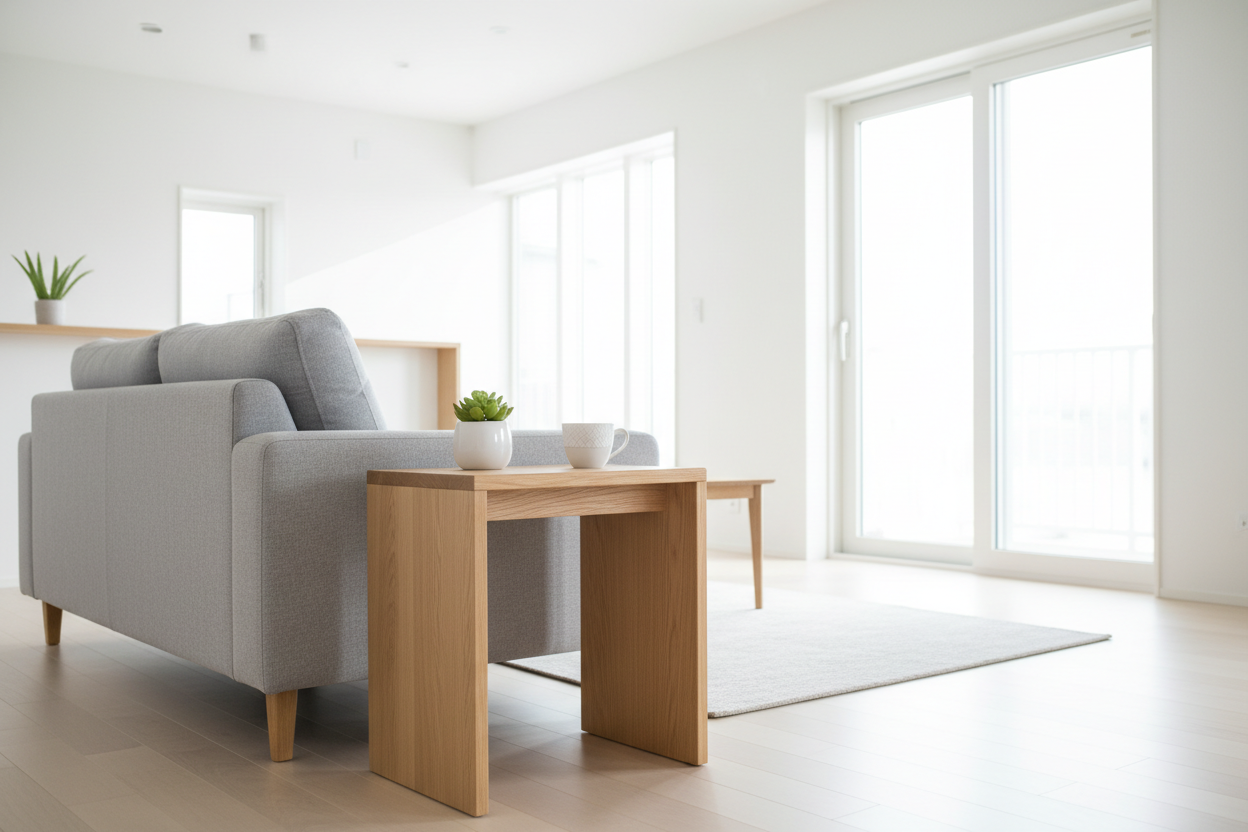
Light wood side tables have this remarkable ability to make spaces feel open and airy while still providing all the functionality you need. Unlike darker furniture that can visually weigh down a room, these pieces reflect natural light and create a sense of spaciousness that's particularly valuable in smaller living areas or rooms with limited windows.
The beauty of a light wood end table goes beyond just aesthetics. These versatile pieces work seamlessly with virtually any design style—from Scandinavian minimalism to coastal casual, from modern farmhouse to contemporary urban spaces. The natural grain patterns in light woods like oak, ash, maple, and birch add texture and warmth without overwhelming your existing decor.
Understanding Different Types of Light Wood Finishes
Not all light side tables are created equal when it comes to wood tone. You'll find everything from pale whitewashed finishes to honey-toned natural oak. Bleached woods offer the lightest appearance, almost approaching white, while natural maple provides a warm, creamy tone. Ash tends toward gray undertones, making it perfect for cooler color schemes.
The finish you choose matters more than you might think. A light wood accent table with a matte finish absorbs light differently than one with a glossy lacquer, affecting how it interacts with your room's lighting throughout the day. I learned this the hard way when I bought a gorgeous light oak table online, only to discover its high-gloss finish created an unwanted shine in my south-facing living room. After exchanging it for a satin finish version, the difference was remarkable—subtle and sophisticated instead of glaring.
Practical Features Worth Considering
A light wood end table with drawer transforms from simple surface to valuable storage solution. This single feature can eliminate clutter from coffee tables and sofas, giving you a discreet spot for remotes, charging cables, reading glasses, and all those small items that tend to accumulate. The drawer doesn't just hide mess—it actually helps maintain that clean, airy feeling that drew you to light wood in the first place.
For even more organization, a light wood end table with storage might include open shelving below the tabletop. This works beautifully for displaying a few carefully chosen books, a small plant, or a decorative basket. The open design maintains visual lightness while maximizing functionality.
Size and Scale in Your Living Room
A small light wood side table can be the perfect solution when you're working with limited square footage. These compact pieces typically measure 12-18 inches in diameter or width, providing just enough surface area for a lamp and a drink without crowding walkways. They're particularly useful in apartment living rooms or bedrooms where every inch counts.
When choosing a light wood side table living room placement, height matters as much as footprint. The ideal side table sits level with or slightly below your sofa arm, typically 24-26 inches tall. This ensures comfortable reach whether you're setting down a coffee cup or turning on a reading lamp.
Styling Your Light Wood Pieces
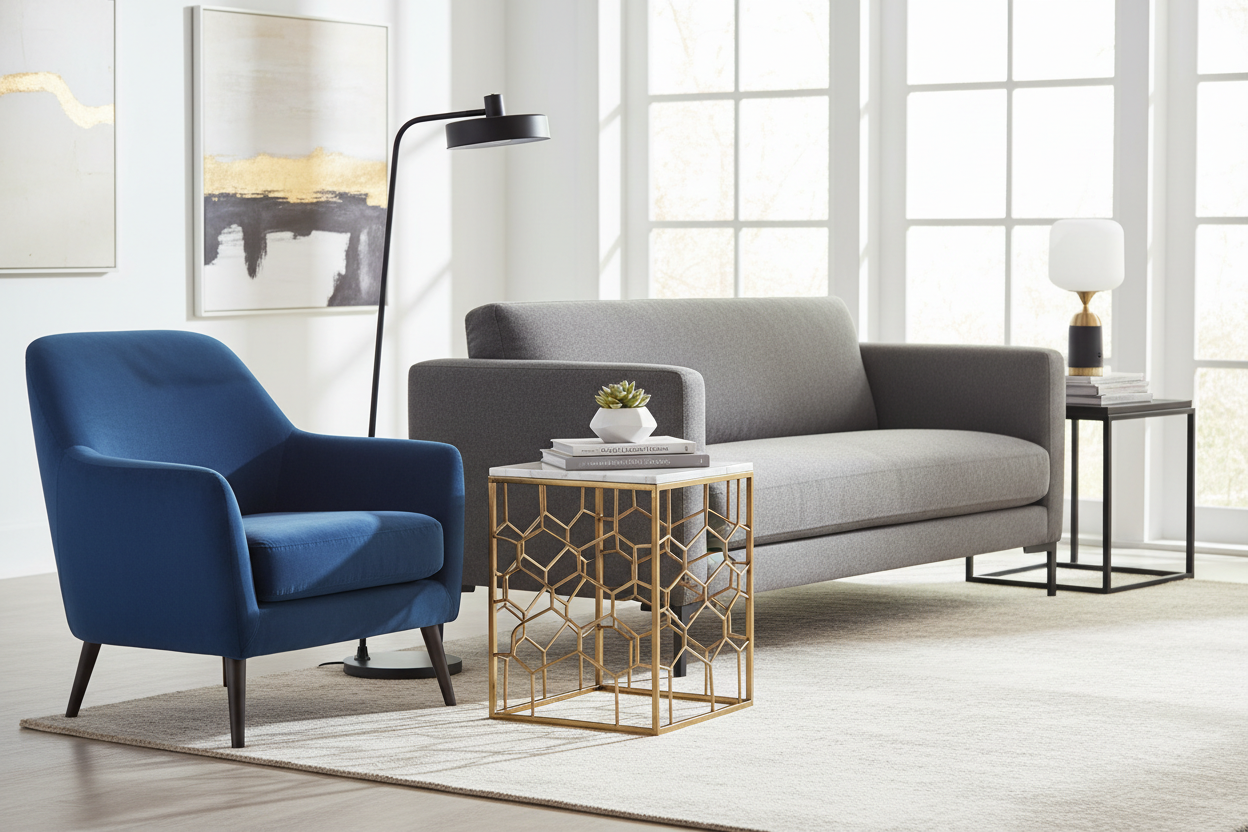
Light colored end tables create opportunities for layering textures and tones. Because they're neutral, you can experiment with bolder accessories without creating visual chaos. A dark ceramic vase pops beautifully against light wood, while metallic accents in brass or copper add warmth. Even stacking a few colorful books becomes a design statement when the backdrop is pale wood.
The natural wood grain in a light natural wood side table provides its own decorative element. Sometimes the best approach is minimal styling—perhaps just a simple lamp and a small succulent—letting the wood's inherent beauty take center stage. This restraint actually makes rooms feel more curated and intentional.
Mixing Wood Tones Successfully
One common concern is whether light colored wood end tables will clash with existing darker furniture. The good news: mixing wood tones adds depth and interest to a room. The key is ensuring you have at least two pieces in similar tones to create intentional grouping rather than random mismatch. If you have a dark walnut media console, adding two light wood side tables flanking your sofa creates balance rather than confusion.
Temperature matters too. Warm-toned light woods (like oak or pine) pair naturally with warm darks (like cherry or mahogany), while cool-toned light woods (like ash) complement cooler darks (like espresso-stained pieces).
Durability and Maintenance
Light wood shows wear differently than dark finishes. Minor scratches and dings tend to be less visible on lighter surfaces, which is why light wood side table with drawer options are particularly practical for high-traffic homes or households with children. That said, light finishes can show water rings and stains more readily, so using coasters and placemats becomes important.
Regular dusting with a soft cloth keeps light wood looking fresh. For deeper cleaning, a slightly damp cloth works well—just avoid excessive moisture. Most modern light wood tables come with protective finishes that resist everyday wear, but it's worth asking about the specific finish when purchasing.
Investment Considerations
Quality light wood accent tables range from budget-friendly options around $100 to investment pieces exceeding $500. The price difference typically reflects construction methods, wood quality, and finish durability. Solid wood construction lasts decades, while veneer over particleboard might show wear within a few years.
Look for dovetail joints in drawers and sturdy leg attachments. A table that wobbles in the showroom won't improve at home. Weight can be a good indicator—solid wood pieces feel substantially heavier than hollow alternatives.
Where Light Wood Works Best
Beyond the living room, these versatile pieces shine in bedrooms as nightstands, in entryways holding keys and mail, or in home offices providing extra surface area. Their light appearance makes them particularly valuable in spaces that feel cramped or dark. A light wood side table with drawer beside your bed offers bedside storage without the visual bulk of traditional nightstands.
In open-concept spaces, light colored end tables help maintain flow between areas. They provide necessary function without creating visual barriers that chop up your sightlines.
FAQ
What's the most versatile light wood finish for changing decor styles?
Natural oak with a clear matte finish offers the most flexibility. Its warm neutral tone works with both cool and warm color palettes, and the subtle grain pattern complements everything from traditional to contemporary styles. You can completely change your room's look with new textiles and accessories while the table remains relevant.
How do I prevent water rings on light wood side tables?
Always use coasters for drinks, and wipe up spills immediately with a soft cloth. If you do get a water ring, try placing a clean, dry cloth over the mark and applying a warm iron briefly—the heat can help draw moisture out of the wood. For protected finishes, a paste of baking soda and water gently rubbed on the spot often works.
Can light wood side tables work in a room with dark walls?
Absolutely—the contrast can be stunning. Light wood actually pops more dramatically against dark backgrounds, creating focal points and preventing the room from feeling cave-like. The light furniture reflects whatever ambient light exists, brightening the space even when wall colors are deep or moody.


Leave a comment
This site is protected by hCaptcha and the hCaptcha Privacy Policy and Terms of Service apply.