










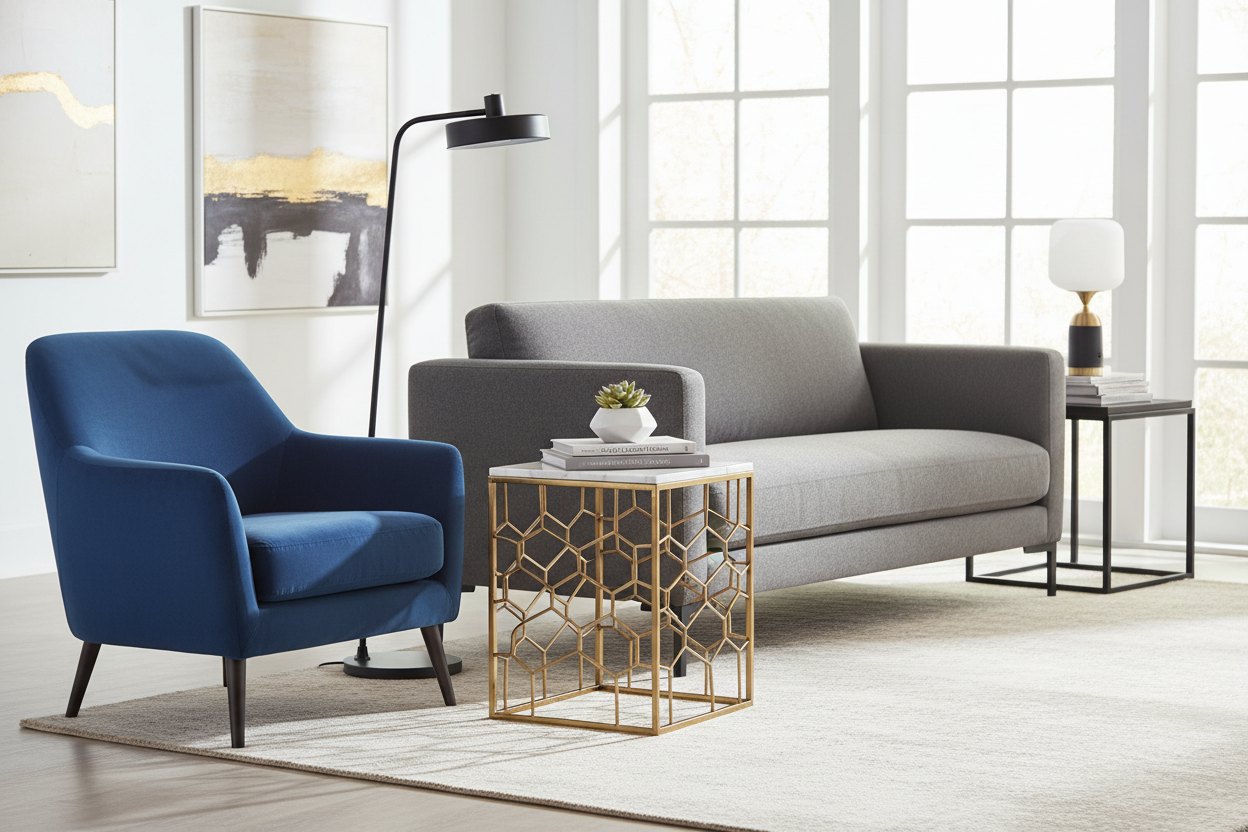
Metal side tables have become the unsung heroes of interior design, quietly transforming living rooms, bedrooms, and hallways with their blend of durability and visual appeal. Whether you're looking for a cheap metal side table to fill a tight budget or decorative metal side tables that serve as statement pieces, understanding what makes these furnishings special can help you make smarter choices for your space.
The beauty of metal furniture lies in its versatility. A white metal accent table can brighten a dark corner while maintaining a clean, minimalist aesthetic. Meanwhile, tin side tables bring an industrial edge that pairs beautifully with both modern and vintage decor. The material itself offers advantages that wood and plastic simply can't match—resistance to moisture, exceptional durability, and a weight that keeps the table stable without being impossible to move.
Finding the Right Configuration for Your Space
Space constraints often dictate our furniture choices more than we'd like to admit. A small metal rectangular side table fits perfectly in narrow hallways or beside compact sofas, offering surface area without overwhelming the room. For those working with truly tight quarters, a small metal stand table provides just enough space for a lamp and a book without eating into valuable floor space.
Storage needs add another layer to the decision-making process. A metal accent table with drawers transforms a simple surface into a functional storage solution, perfect for hiding remote controls, reading glasses, or charging cables. The metal side table drawer option works particularly well in bedrooms where you need quick access to personal items but want to maintain a clutter-free appearance. I discovered this firsthand when I replaced my old wooden nightstand with a metal chairside table featuring a single drawer—the clean lines made my small bedroom feel larger, while the drawer kept my evening essentials organized and out of sight.
Style Meets Function
Decorative metal tables aren't just about looks—they're about creating focal points that also serve practical purposes. A metal side table with shelf provides two levels of display and storage, letting you showcase decorative objects on top while keeping everyday items within reach below. This dual-level approach works especially well in living rooms where you want to balance aesthetics with functionality.
Tin end tables deserve special mention for their unique character. The slightly weathered, industrial appearance of tin adds texture and visual interest that glossier metals can't replicate. These pieces often feature rivets, seams, or intentional patina that tells a story and adds depth to your decor scheme.
Sets Versus Single Pieces
A metal end table set offers consistency across your space, creating visual harmony that ties a room together. Two matching tables flanking a sofa or bed provide symmetry that feels naturally balanced. However, mixing different styles can create a more collected, personalized look. An all metal side table with clean lines might pair beautifully with a more ornate piece, as long as they share similar finishes or proportions.
The room 2 room metal accent table concept—furniture designed to move easily between spaces—has gained traction for good reason. Lightweight metal construction makes these pieces genuinely portable, allowing you to reconfigure your space for different occasions. That side table in your living room can migrate to the patio for outdoor entertaining, then find a temporary home in the guest room when visitors arrive.
Budget-Friendly Options That Don't Look Cheap
Finding a cheap metal side table doesn't mean sacrificing style. Metal furniture manufacturing has become increasingly efficient, allowing retailers to offer well-designed pieces at accessible price points. The key is knowing what to look for: welded joints tend to be sturdier than screwed connections, powder-coated finishes resist scratches better than paint, and tables with adjustable feet accommodate uneven floors.
Decorative metal side tables at lower price points often achieve their look through clever design rather than expensive materials. Stamped patterns, geometric cutouts, or interesting leg configurations can create visual appeal without driving up costs. A white metal accent table with a simple silhouette might cost less than a heavily ornamented piece, but strategic placement can make it look far more expensive than its price tag suggests.
Practical Considerations Before You Buy
Height matters more than most people realize. A metal chairside table should align roughly with the arm of your chair or sofa, making it easy to set down a drink or reach for a book without awkward stretching. Measure your seating before shopping, and aim for a table height within an inch or two of your armrest.
Surface size requires honest assessment of your needs. A small metal rectangular side table might look perfect in the store but prove frustratingly inadequate when you're trying to balance a laptop, coffee mug, and notebook. Consider what you'll actually place on the table during typical use, not just how it looks empty.
Weight capacity isn't always advertised, but it matters. Metal side table with shelf designs distribute weight across multiple levels, but you still need to consider what you'll be placing on them. Books, heavy lamps, or potted plants require sturdier construction than a table meant only for decorative objects.
Maintenance and Longevity
Metal furniture's low-maintenance reputation is well-deserved, but not all finishes are created equal. Powder-coated surfaces resist chipping and can be wiped clean with a damp cloth. Tin side tables may develop patina over time, which many people find appealing, though you can slow this process with occasional applications of furniture wax.
Scratches on metal are less forgiving than on wood, where they can sometimes be sanded out. Felt pads under objects and coasters under drinks become essential habits rather than optional precautions. The good news? Most minor scratches on darker finishes become barely noticeable with time, blending into the overall texture of the piece.
FAQ
Can metal side tables work in humid environments like bathrooms?
Metal tables with proper powder-coating or sealed finishes handle humidity well, making them suitable for bathrooms or covered outdoor spaces. Avoid raw or unsealed metal in consistently damp areas, as rust can develop. Stainless steel or aluminum options offer the best moisture resistance if you're concerned about long-term exposure.
How do I prevent metal tables from scratching my floors?
Adhesive felt pads on the bottom of each leg provide effective protection for hardwood and tile floors. Replace these pads every few months as they compress and wear down. For metal tables you move frequently, consider furniture glides designed specifically for hard floors—they allow smooth sliding while protecting both the floor and the table legs.
Are metal tables safe around children and pets?
Metal tables with rounded edges and stable bases work well in family homes. Avoid tables with sharp corners or top-heavy designs that could tip easily. The durability of metal means it won't splinter or chip like wood might, though the hard surface requires the same corner-bumper precautions you'd use with any furniture around small children.


Leave a comment
This site is protected by hCaptcha and the hCaptcha Privacy Policy and Terms of Service apply.