










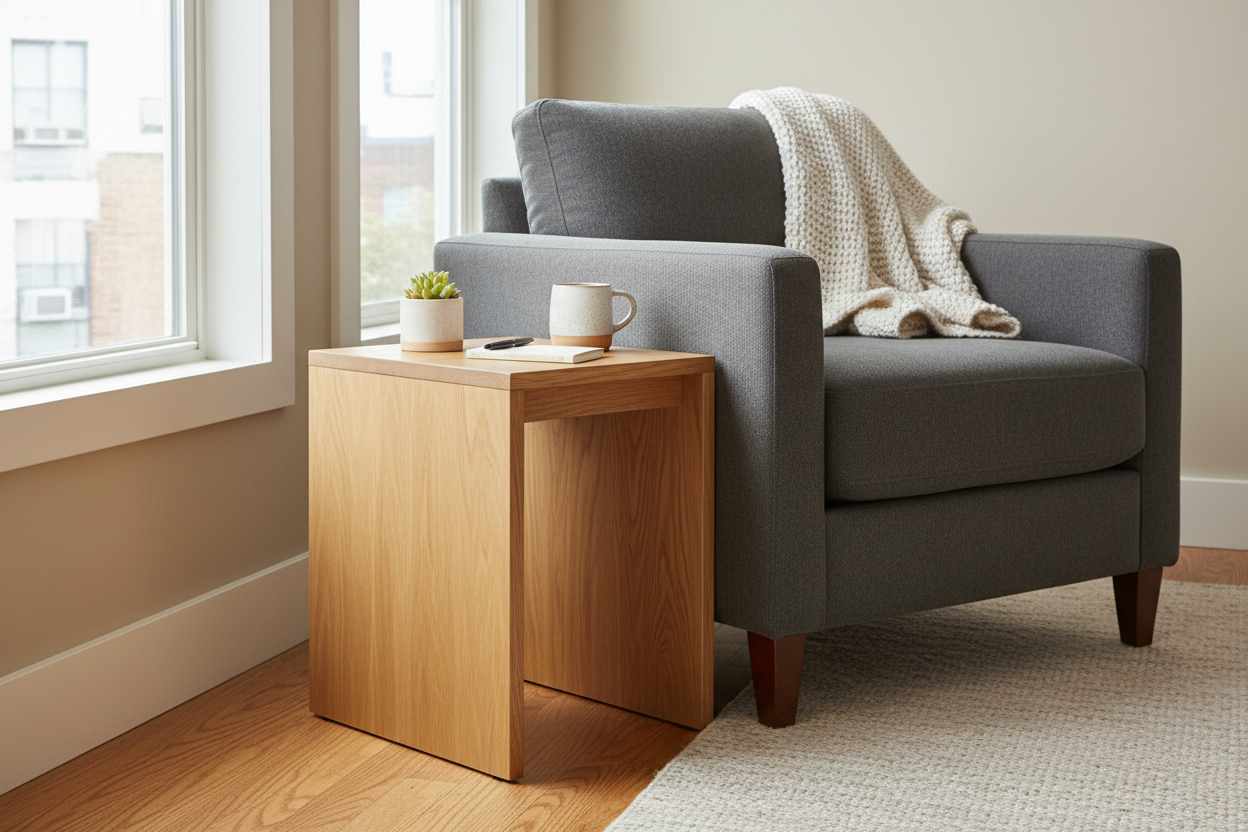
Low side tables have become my go-to furniture solution after moving into a smaller apartment last year. These compact pieces sit closer to the ground than traditional end tables, typically ranging from 16 to 22 inches in height, making them ideal for modern seating arrangements, floor cushions, and minimalist living spaces. If you're working with limited square footage or simply prefer furniture that doesn't dominate your room visually, a low end table offers both functionality and style without overwhelming your space.
Understanding the Appeal of Low Height Furniture
The rise of low profile furniture isn't just a trend—it's a practical response to how we actually live. A low height side table works beautifully with contemporary sofas and chairs that sit lower to the ground than their traditional counterparts. I discovered this myself when my standard 24-inch end table looked awkwardly tall next to my mid-century modern couch. The proportions were all wrong, creating a visual imbalance that made the entire room feel off.
A small low table also creates an optical illusion that makes rooms appear larger. Because these pieces don't interrupt your sightline as dramatically as taller furniture, they allow your eye to travel further across the room. This is particularly valuable in apartments, condos, or any space where you're trying to maximize the feeling of openness.
Different Types of Low Tables for Various Needs
Not all low side tables serve the same purpose, and understanding the distinctions helps you make a better choice. A low lamp table, for instance, needs enough surface area to accommodate a table lamp while still leaving room for a drink or book. These typically measure at least 18 inches across, though you can find compact versions around 14 inches square.
A low accent table, on the other hand, serves more as a decorative element. These pieces might be smaller and more sculptural, designed to hold a plant, decorative object, or small stack of coffee table books. I have one made from reclaimed wood next to my reading chair that's only 12 inches in diameter but adds incredible warmth to that corner of the room.
For those who need more surface area, a low long side table provides horizontal space without adding vertical bulk. These work exceptionally well behind sofas or along walls where you want to display multiple items or need room for several people to set down drinks during gatherings.
Choosing the Right Height
The height of your low height end table matters more than you might think. The general rule is that your side table should be within two inches of your sofa arm height—either slightly lower or at the same level. For floor seating or very low furniture, a very low side table measuring 16 to 18 inches works best. I learned this the hard way after buying what I thought was a low table, only to realize it was still too tall for my 15-inch-high platform sofa.
If you're using traditional seating, look for something in the 20 to 22-inch range. A very low end table under 18 inches might feel awkward next to standard furniture, requiring you to reach down uncomfortably every time you want to grab your coffee.
Size Considerations for Small Spaces
A small low side table doesn't mean sacrificing functionality. Even a 12-inch square table provides enough surface area for essentials—a glass, remote control, and phone. The key is being intentional about what you actually need within arm's reach.
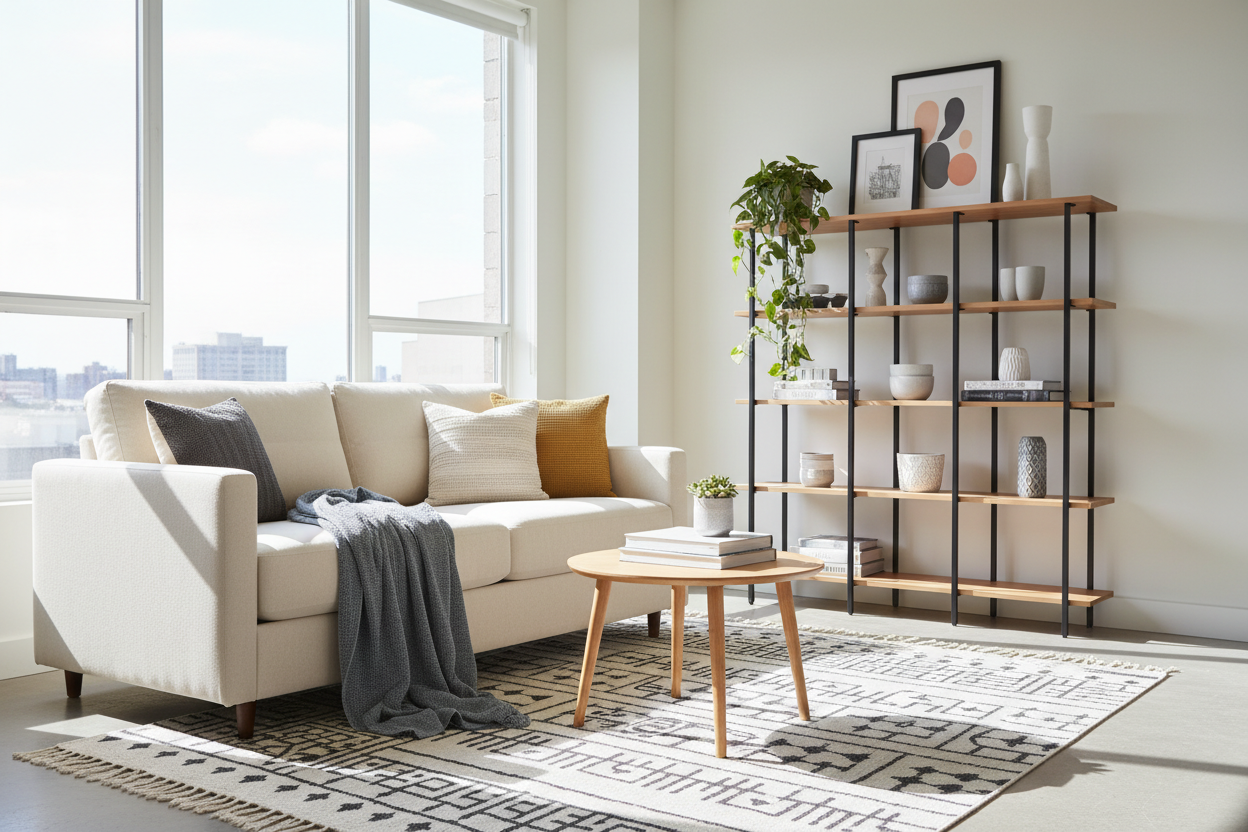
Small low end tables work particularly well in multiples. Instead of one large piece, consider using two small low accent tables on either side of a sofa. This approach gives you flexibility in arrangement and makes the room easier to navigate. You can also move them around as needed for different occasions.
Material and Style Options
Low end tables for living room settings come in every material imaginable. Wood remains popular for its warmth and versatility, while metal and glass options suit more industrial or contemporary aesthetics. I've found that mixing materials—like a wooden top with metal legs—adds visual interest without cluttering the space.
The beauty of low side tables for living room use is that their smaller scale makes them less of a commitment. You can take more risks with color or unusual shapes because they don't dominate the room. A bright painted finish or unique geometric form becomes an accent rather than an overwhelming focal point.
Practical Functionality Beyond the Basics
Modern small low tables often incorporate smart storage solutions. Look for versions with lower shelves, drawers, or hidden compartments. These features are invaluable in small spaces where every piece of furniture needs to work harder. My current low side table has a small drawer that holds remotes, chargers, and other living room clutter that would otherwise pile up on the surface.
Some designs include wheels or lightweight construction that makes them easy to move. This mobility transforms a simple side table into a versatile piece you can reposition for different activities—pulling it closer when you need a surface for dinner while watching TV, then pushing it back against the wall when you need floor space for yoga or play.
Making the Most of Your Purchase
When shopping for a low accent table, bring measurements of your existing furniture and the space where you plan to place it. I always take photos of my room from different angles and keep them on my phone for reference. This prevents the common mistake of buying something that looks perfect in the store but doesn't work at home.
Consider the table's footprint from above, not just its height. A table might be low profile, but if it's too deep, it can still make a narrow room feel cramped. Conversely, a table that's too small might get lost visually, even if it's functionally adequate.
Think about your actual habits too. If you're someone who always has multiple items on your side table—laptop, coffee, snacks, books—you need sufficient surface area regardless of height. A very low side table with generous dimensions might serve you better than a taller but smaller option.
Frequently Asked Questions
What's the ideal height for a low side table next to a sofa?
The ideal height is within two inches of your sofa's arm height, typically between 18 and 22 inches for standard sofas. For low-profile or floor seating, look for tables between 16 and 18 inches. The goal is easy reach without awkward stretching or bending.
Can I use a low end table as a nightstand?
Absolutely, and many people do. A low height end table works particularly well with platform beds or mattresses placed directly on the floor. Just ensure it's tall enough to reach comfortably from a lying position and has adequate surface space for bedside essentials like a lamp, phone, and glass of water.
How do I style a small low accent table without making it look cluttered?
Keep it simple with one to three items maximum. Try a small lamp or plant as your main piece, then add one decorative object or a small tray to corral smaller items. The limited surface area of a small table actually makes styling easier since you're forced to be selective about what you display.

Leave a comment
This site is protected by hCaptcha and the hCaptcha Privacy Policy and Terms of Service apply.