










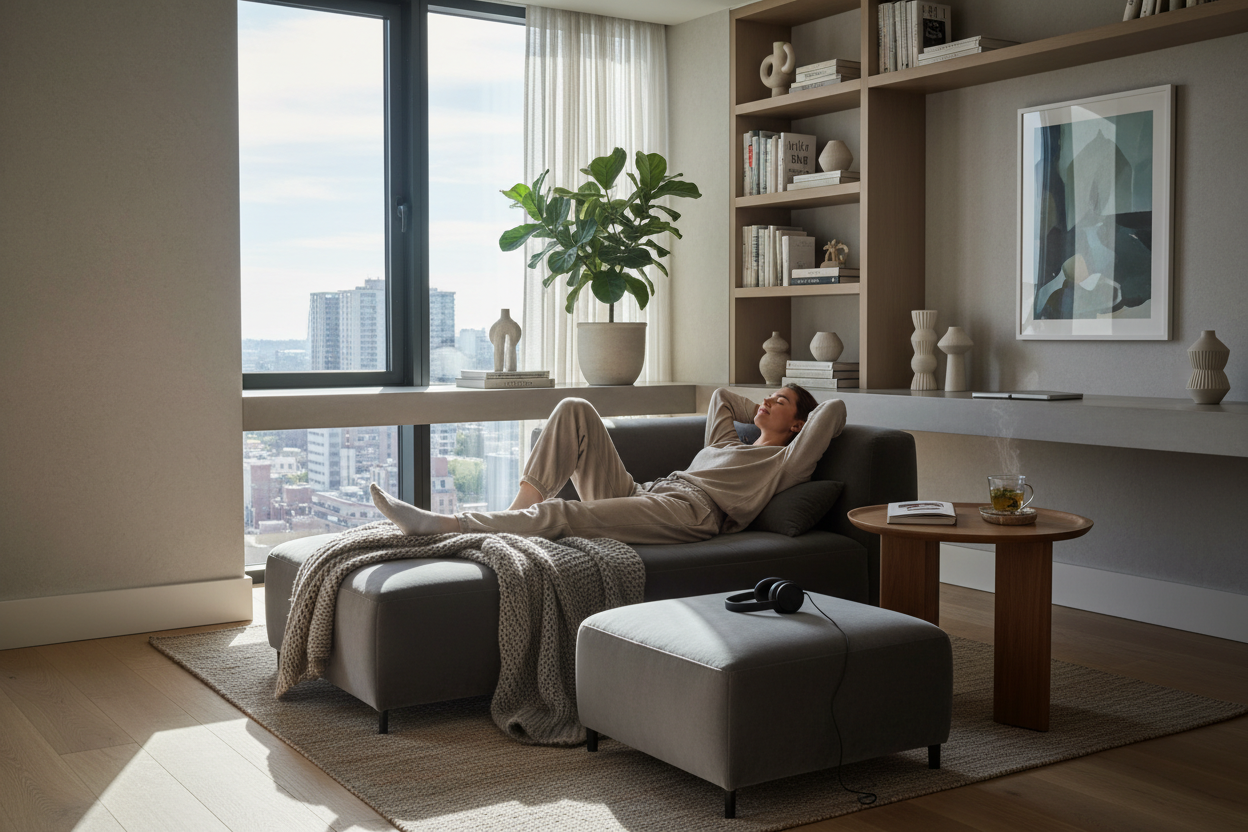
We have all been there. The emails have stopped, the project is pending approval, and the Slack channels are silent. You are technically on the clock, yet you find yourself **work from home doing nothing**. In a corporate cubicle, this idle time feels stifling. In a well-designed home office, however, this downtime presents a unique opportunity for spatial utilization. Rather than remaining glued to a rigid task chair doom-scrolling, your interior should offer a secondary zone—a space designed for contemplation, reading, or simply resetting your mental state.
Key Features for a "Downtime-Ready" Office
If you want to maximize the utility of your room during slower workflow periods, focus on these core design elements:
- Secondary Seating: Incorporate a lounge chair or daybed distinct from your primary desk chair to physically signal a shift in mindset.
- Variable Lighting: Install smart bulbs or dimmable sconces to transition from cool, high-focus task lighting to warm, ambient relaxation lighting.
- Tactile Textures: Use boucle, velvet, or full-grain leather to introduce softness that contrasts with hard desk surfaces.
- Visual Escapes: Position seating to face a window or artwork, rather than the computer monitor, to reduce digital eye strain.
Zoning Your Office for Active Rest
The biggest mistake I see in home office layouts is the "cockpit" approach, where every piece of furniture points toward the screen. When you are working from home when you have nothing to do, sitting at your desk creates unnecessary fatigue. The solution is micro-zoning.
The Lounge Chair Investment
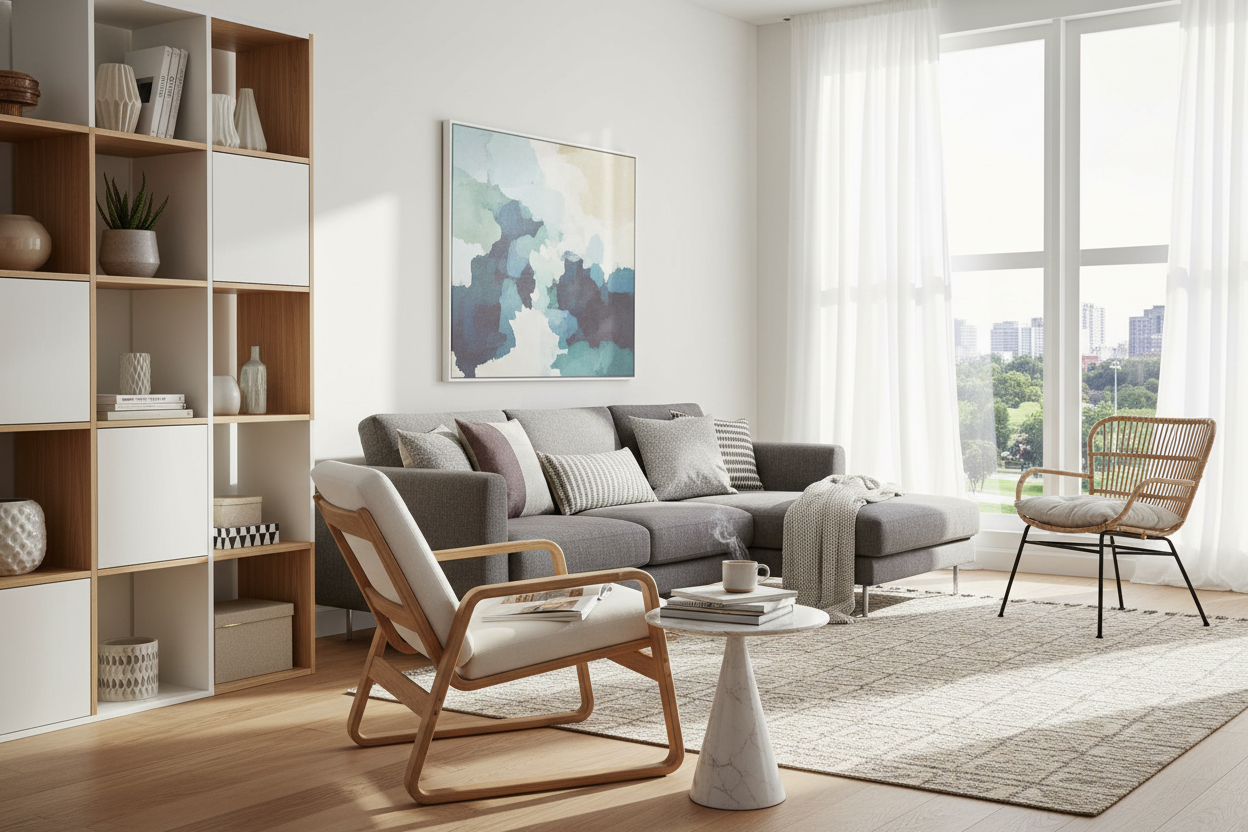
Ideally, your office should house a high-quality accent chair. This isn't just aesthetic; it is ergonomic variance. Look for a chair with a deeper seat depth (around 22-24 inches) and a reclined pitch. Materials matter here. A top-grain leather armchair adds gravity and ages beautifully with a patina, while a performance velvet offers immediate tactile comfort. If you have the square footage, an ottoman is non-negotiable for true circulation benefits during breaks.
Lighting Temperature and Mood
Lighting dictates the energy of a room. Standard office lighting sits around 4000K-5000K (cool white) to stimulate alertness. However, for those moments of work from home nothing to do, you need the ability to drop that temperature to 2700K (warm white). I recommend a dedicated floor lamp next to your lounge seating with a linen shade to diffuse light, creating a softer atmosphere that encourages reading or sketching.
Materiality and Acoustics
Offices are often full of hard surfaces—laminate desks, plastic monitors, metal filing cabinets. These reflect sound and feel cold. To make the space inviting during downtime, you must introduce absorption. A high-pile wool rug or heavy drapery not only improves the acoustics for conference calls but creates a cocooning effect when you are working from home with nothing to do. The goal is to create a sensory shift that tells your brain it is safe to idle.
My Personal Take on "Work From Home Doing Nothing"
I learned the importance of this design philosophy the hard way during a project for a fintech consultant. We designed a hyper-minimalist, glass-and-steel office. It was stunning but sterile. Six months later, he called me admitting he hated being in the room unless he was frantically typing. There was no place to just be.
We retrofitted a corner with a vintage Eames lounge chair and a small walnut side table. When I visited a year later, I noticed the leather on the left armrest was worn smoother than the right. He told me that was his "thinking spot" where he spent hours processing strategy. The lesson? The most productive furniture in your office might not be the desk. It's the piece that supports you when the actual work pauses.
Frequently Asked Questions
How do I fit a lounge zone in a small 10x10 office?
In tight footprints, avoid bulky club chairs. Opt for a slipper chair (armless) or a low-profile mid-century modern frame. These provide the comfort of a lounge chair without the visual weight. Alternatively, a window seat bench with storage underneath is an excellent space-saver.
What is the best fabric for a home office accent chair?
Durability is key, but comfort is paramount. I generally recommend a high-performance blend (like Crypton) if you eat or drink coffee in the chair. For pure luxury and comfort during idle times, a wool blend or cotton velvet offers the best hand-feel and breathability.
Should the lounge area match the desk style?
Not necessarily. In fact, creating a slight stylistic contrast helps separate the zones mentally. If your desk is modern and sleek, a chair with organic curves or natural wood elements can add necessary warmth and break up the rigidity of the workspace.


Leave a comment
This site is protected by hCaptcha and the hCaptcha Privacy Policy and Terms of Service apply.