










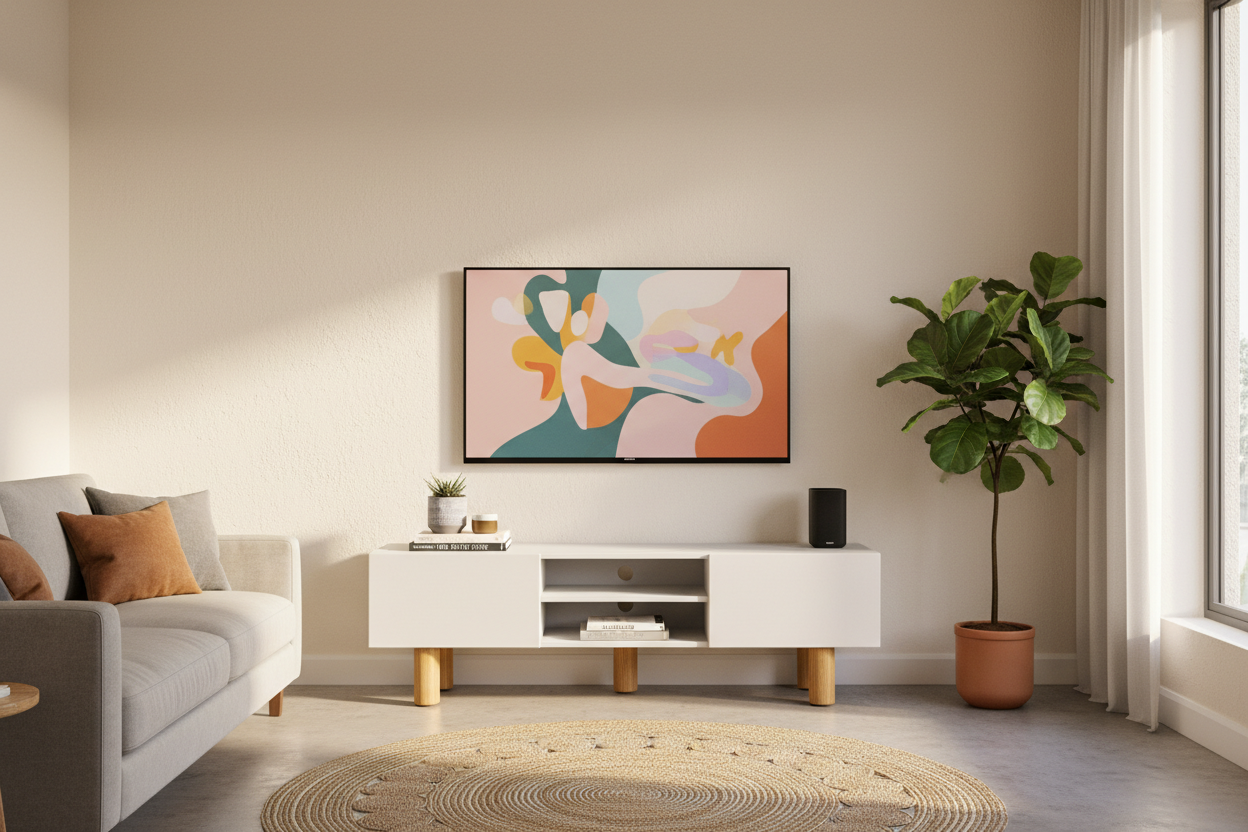
I remember the first time I bought a 'grown-up' media console online. On the screen, it looked like a mid-century masterpiece. In my living room, it looked like it belonged in a kindergarten classroom. It was barely 14 inches tall. Every time I sat on my sofa, I was looking down at the TV, which is a one-way ticket to chronic neck strain and a living room that feels perpetually unfinished.
The fix wasn't buying a new unit; it was spending $35 on a set of wooden tv stand legs. It is the single most effective way to make a piece of flat-pack furniture look like it was commissioned by an actual designer rather than boxed up in a warehouse. If your furniture feels 'off,' it is probably because it’s hugging the floor too tightly.
Quick Takeaways
- Standard media consoles are often built too low to save on shipping costs.
- Adding 4 to 6 inches of height creates a better viewing angle for your neck.
- Wooden legs provide a high-end look that plastic or metal often lacks.
- Always use mounting plates to prevent the legs from ripping out of particleboard.
The Squatty Furniture Epidemic
Most big-box retailers design furniture to fit into the smallest possible flat-pack boxes. Legs are often the first thing they compromise on—either making them tiny plastic nubs or removing them entirely so the unit sits flush on the carpet. This creates a 'heavy' look that anchors the room in the worst way possible. When a bulky cabinet sits directly on the floor, it blocks the visual flow and makes your ceilings feel three feet lower than they actually are.
I’ve assembled enough Swedish furniture to know that the hardware they give you is usually the bare minimum. They want the unit stable and cheap to ship. But your living room isn't a shipping container. By swapping those stock nubs for proper legs, you’re correcting a design flaw that manufacturers ignore to save a buck on freight.
Why Adding Wooden TV Stand Legs Works Wonders
There is a specific kind of magic that happens when you lift a piece of furniture off the ground. Suddenly, you can see the floorboards continuing underneath the unit. This trick of the eye makes a cramped apartment feel significantly more spacious because the floor area isn't 'lost' to the footprint of the cabinet. Plus, it actually lets your robot vacuum do its job without getting stuck in a corner.
If you can't drop four figures on a solid wood TV stand right now, adding real ash or oak legs to a laminate unit is the next best thing. It introduces a natural texture that breaks up the 'plastic' feel of budget furniture. The contrast between a crisp white or grey cabinet and warm, grain-heavy wood legs makes the whole piece look intentional rather than accidental.
Tapered vs. Chunky: Choosing Your TV Stand Wood Legs
Not all legs are created equal. If you want that classic 1950s vibe, go for tapered tv stand wood legs. They have a slim profile that feels airy and light. However, if you are rocking a massive 75-inch screen, those skinny pegs might look a bit like a bodybuilder who skipped leg day. For larger setups, I usually opt for a blockier, square leg or a thick 'bun' foot to keep the proportions balanced.
If you have a black wood TV stand, you can either go for a dark walnut stain to keep things moody or paint the new legs to match the cabinet for a seamless, built-in look. I personally love a raw oak leg against a dark cabinet—it’s a Scandinavian look that feels fresh and expensive without the custom-furniture price tag.
The Scary Part: Actually Drilling Into Your Console
I get it. Drilling holes into a piece of furniture you just paid for feels wrong. But here is the secret: most media units have a solid frame at the corners. You just need a set of universal mounting plates. These plates distribute the weight so the leg isn't just hanging onto a tiny bit of compressed sawdust.
My biggest mistake during my first DIY leg swap? I didn't drill pilot holes. I tried to force the screws in, and the laminate base cracked like an eggshell. Take the extra five minutes to use a drill bit that’s slightly smaller than your screw. It saves the structural integrity of the base and ensures the legs stay straight instead of leaning at a sad, drunken angle.
When Hacking Isn't Enough (Time to Upgrade)
As much as I love a good hack, there is a limit. If your current console is already bowing in the middle like a tired bridge, adding legs will actually accelerate its demise. Most cheap units rely on the floor for support across the entire bottom panel. When you lift it onto four corner legs, all that weight concentrates on those points.
If your unit feels flimsy or the 'wood' is peeling off in giant sheets, it might be time to stop the DIY life support. You are better off saving your money to browse new TV stands that are built to handle the weight of modern tech. A hack should make a good piece better, not try to save a piece that's already destined for the landfill.
Personal Experience: The 8-Inch Mistake
I once got overconfident and put 8-inch legs on a cabinet that was already 20 inches tall. I thought I wanted that 'high-leg' look. I was wrong. The TV ended up so high I felt like I was sitting in the front row of a movie theater. Pro tip: aim for a total height of 22 to 26 inches. Anything higher and you’ll be booking an appointment with a chiropractor within a month.
FAQ
Will adding legs make my TV stand wobbly?
Only if you don't tighten the mounting plates. Use a plate with at least four screw points. If you’re worried about stability, add a fifth leg in the dead center of the unit to prevent sagging.
What is the best wood for furniture legs?
Stick to hardwoods like rubberwood, oak, or maple. Avoid 'soft' woods like pine if you have a heavy TV, as the threads of the hanger bolt can strip out of the wood over time.
Do I need special tools?
Just a power drill and a screwdriver. Most leg kits come with the hanger bolts already installed in the wood, so you just screw them into the plates you’ve attached to the furniture base.


Leave a comment
This site is protected by hCaptcha and the hCaptcha Privacy Policy and Terms of Service apply.