










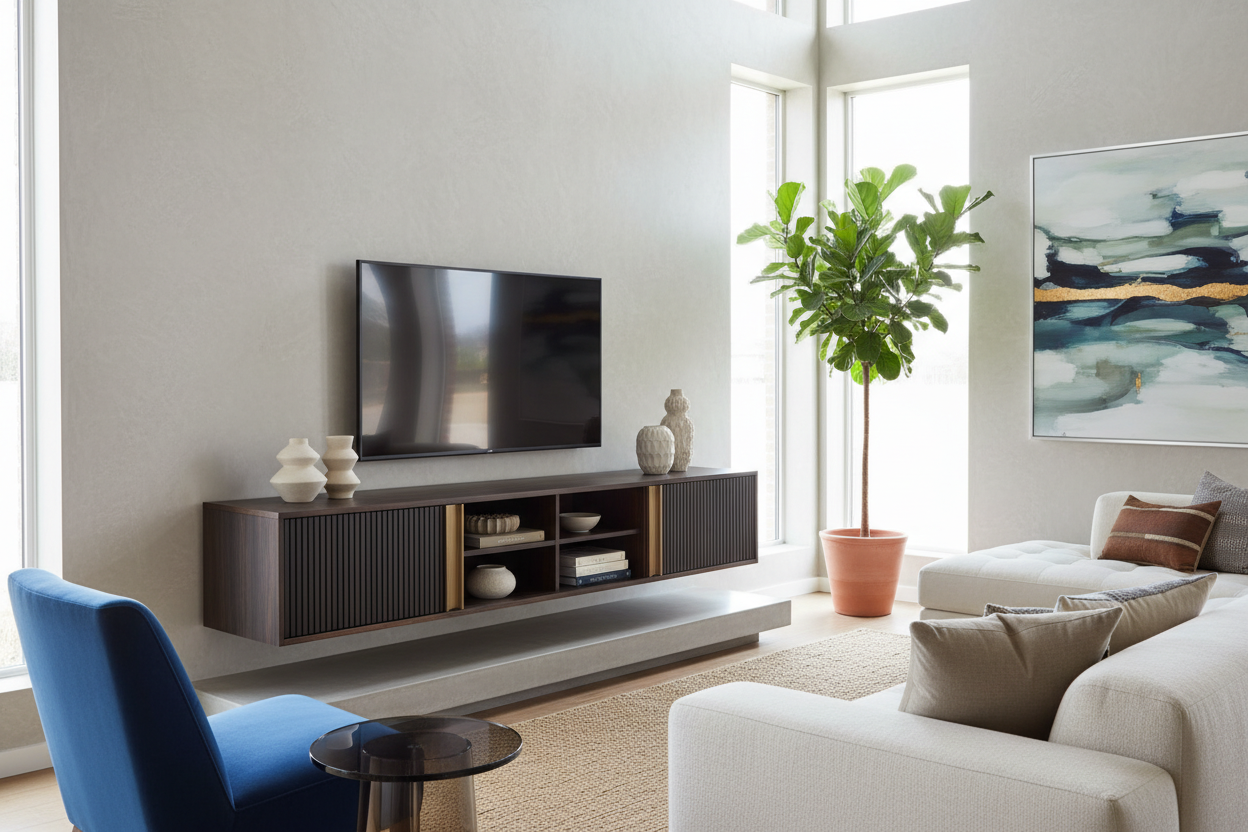
I recently spent three months agonizing over which 77-inch OLED would give me the deepest blacks, only to realize I was planning to set it on a generic, espresso-colored particleboard box I bought during a late-night panic move. It is a classic mistake. We spend thousands on the tech and the sofa, yet we treat the furniture directly under our focal point like an afterthought. It is time to admit that most cool tv stands are actually just hidden in plain sight while we settle for the same three designs everyone else has.
Quick Takeaways
- Standard box consoles often lack the depth for proper cable management and airflow.
- Look for fluted textures, asymmetrical legs, or mixed materials like stone and metal to break the 'big brown box' monotony.
- A unique TV console table should be at least 6-10 inches wider than your screen to avoid a top-heavy, cramped look.
- Vintage sideboards and credenzas can be modified with a simple 2-inch hole saw for a one-of-a-kind media setup.
Why Are We All Buying the Exact Same Brown Box?
Walk into any big-box furniture store and you will see a sea of mid-century modern 'inspired' rectangles. They are fine, I guess, but they are incredibly uninspired. I have seen gorgeous living rooms ruined by a clunky, oversized unit that looks like it belongs in a dorm room. Many people end up wasting space with a standard console because they assume a media unit has to be a literal cabinet with two doors and a shelf.
We have been conditioned to think media furniture needs to be invisible. But when your TV is off, that furniture is a massive piece of visual real estate. If you are going to stare at it every night, it should probably be something you actually like looking at. Cool tv stands for living room setups should challenge the idea that storage has to be boring.
Defining the Anti-Console: What Makes Cool TV Stands Stand Out
A tv console unique enough to catch the eye usually plays with texture. I am currently obsessed with fluted wood panels and tambour doors—they add a rhythmic quality that flat laminate just can't touch. If wood feels too safe, look for a high gloss entertainment center. The reflective surface helps bounce light around a dark room, making the tech feel integrated rather than like a black hole in the corner.
Materials matter. I once bought a cheap metal locker-style stand that rattled every time the subwoofer kicked in. Lesson learned: look for solid construction or dampening pads. A unique TV console table that mixes glass, brushed steel, or even marble tops creates a layered look that feels like a curated piece of furniture rather than a tech accessory.
Embracing the Unexpected: My Favorite Weird TV Stands
Sometimes you need to get a little strange. I’ve seen people use low-slung brutalist concrete benches or even vintage flat-file cabinets as media units. These weird tv stands work because they don't look like they were designed for a remote control. A unique TV cabinet might feature arched doors or a circular silhouette that softens all the hard angles of your screen and speakers.
If you have the floor space, go for something sculptural. Architectural plinths or asymmetrical silhouettes can turn a boring wall into a gallery moment. I always tell friends to browse different TV stands with an eye for silhouettes that don't scream 'electronics'—the best ones usually look like they could hold your favorite art books just as easily as a PlayStation.
Yes, a TV Console Unique Enough for You Can Still Hide Cords
The biggest fear with cool tv consoles is that they won't be functional. You don't want a spaghetti mess of HDMI cables ruining your aesthetic. I once tried to use a vintage 1960s sideboard that had no back holes; I ended up sweating over a power drill for two hours. It worked, but it was a hassle. Modern designers are finally catching on, creating pieces that look like art but have hidden channels for wires.
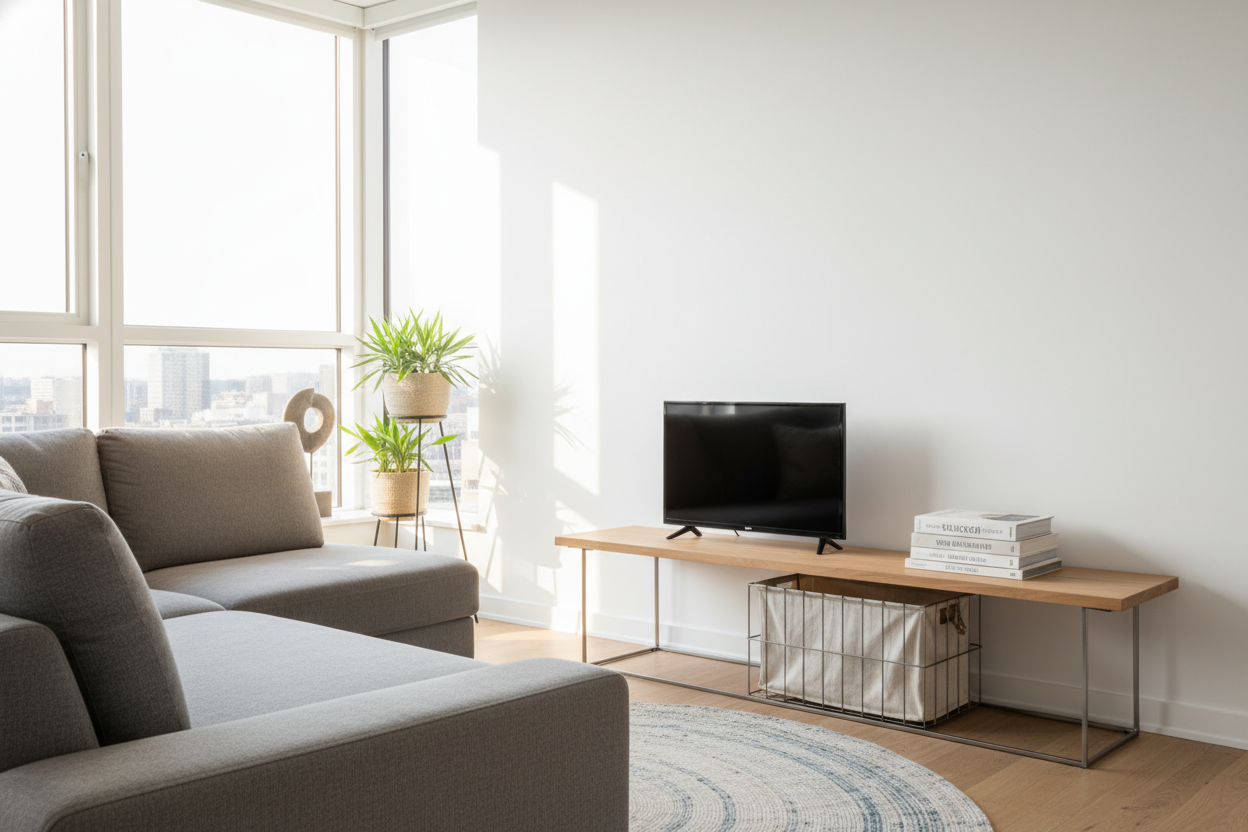
A modern adjustable length console is a great middle ground. It gives you that custom, built-in look while offering the flexibility to slide components around. You get the drawers for your controllers and the legs for a light, airy feel, without the bulk of a traditional media chest. It’s about finding that balance between 'this looks cool' and 'I can actually plug my TV in.'
How to Style a Cute TV Console Without Ruining the Vibe
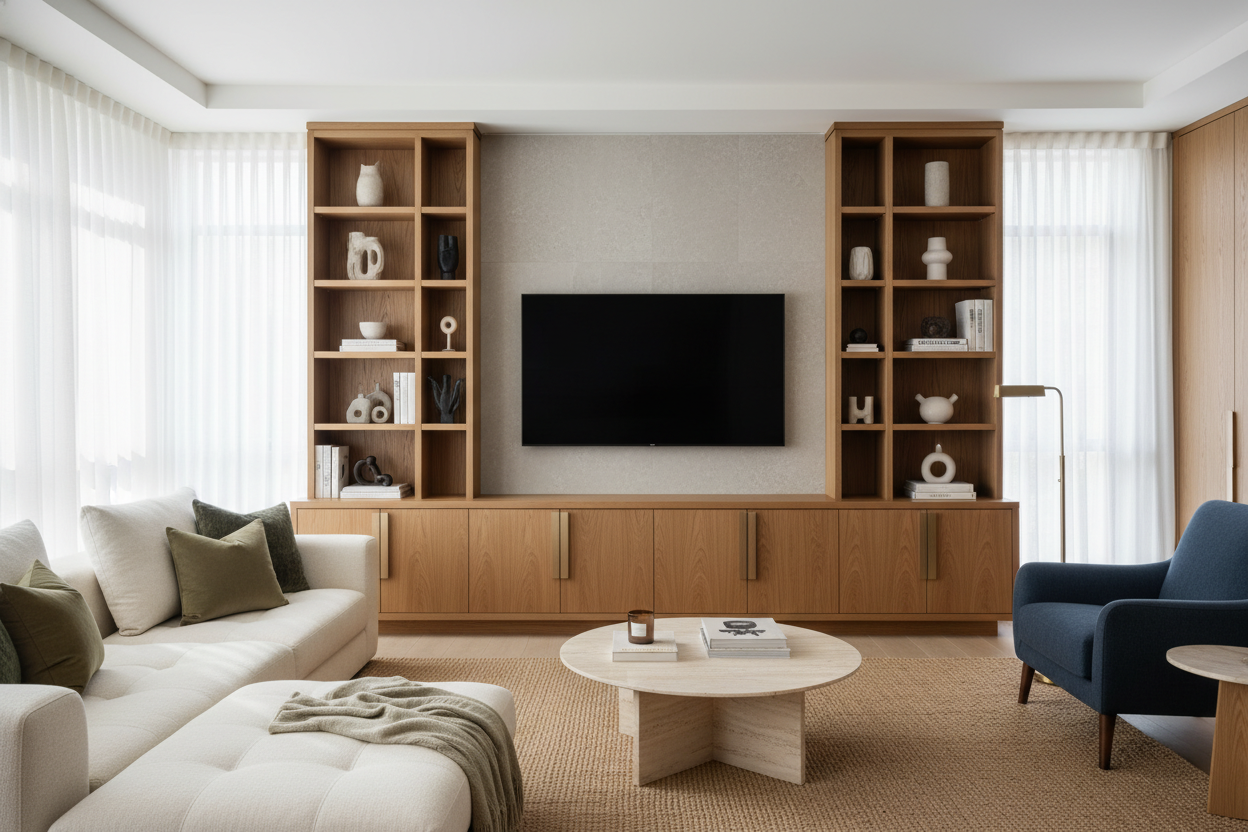
Once you have your unique tv console table, please don't just put the TV on it and call it a day. The goal is to make the screen feel like part of the decor. I like to offset the TV to one side and use the extra space for a sculptural lamp or a few stacked coffee table books. It breaks up the symmetry and makes the whole setup feel less like a shrine to Netflix.
A cute tv console also benefits from a little greenery. A trailing Pothos or a structural snake plant can hide the side profile of the TV, which is usually the ugliest part. Just make sure you aren't blocking the IR sensor for your remote. It is a small price to pay for a living room that actually feels like a person lives there.
FAQ
How high should my TV stand be?
Your eyes should be level with the middle of the screen when you are seated. Usually, this means a stand height of 18 to 24 inches. Don't be the person with the 'TV too high'—your neck will thank you.
Can I use a dresser as a TV stand?
Absolutely, but check the depth. Most dressers are 18-20 inches deep, which is plenty. Just make sure the height doesn't force you to look up at the ceiling to see the movie.
How do I hide cables if my stand is open?
Use cable management sleeves that match your wall color, or run them down the back of the furniture legs using clear command clips. It takes ten minutes and makes a world of difference.

Leave a comment
This site is protected by hCaptcha and the hCaptcha Privacy Policy and Terms of Service apply.