










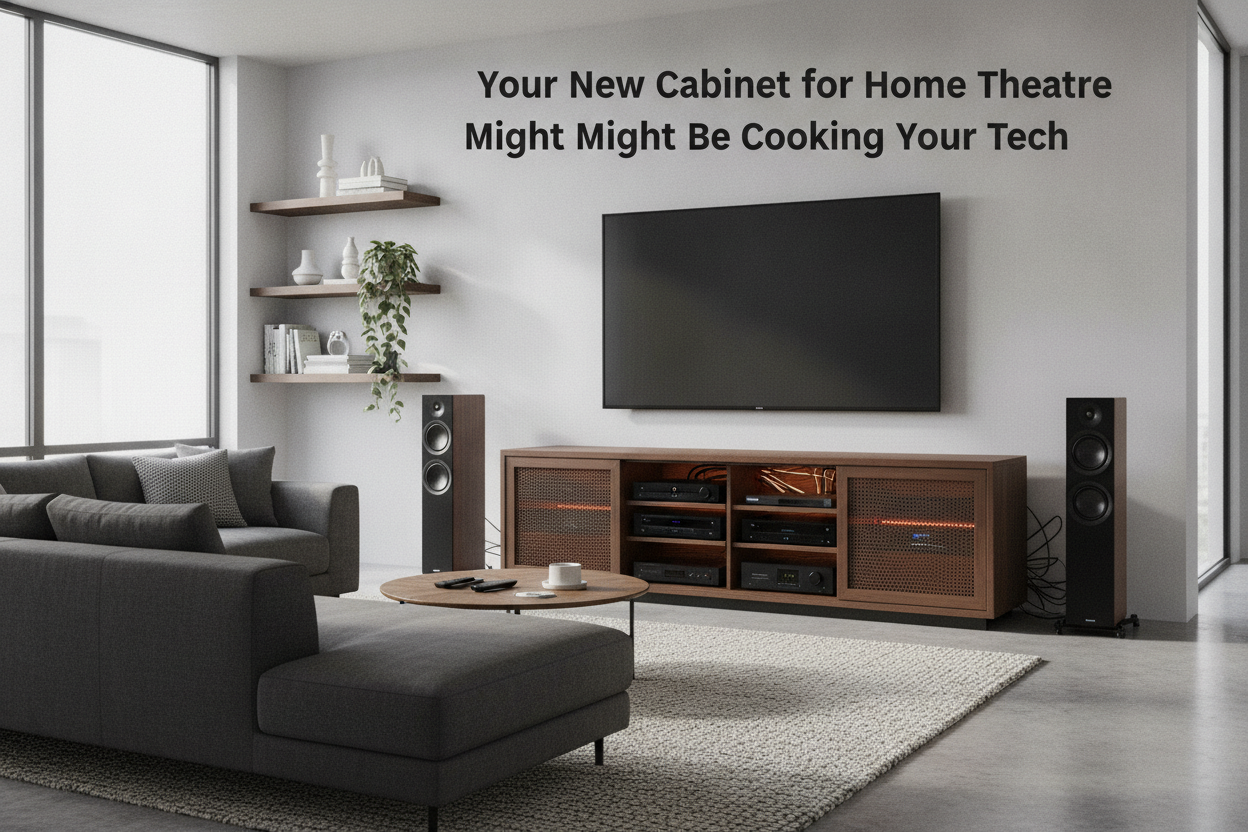
I remember the smell vividly. It wasn't quite a fire, but it was that acrid, metallic tang of electronics getting way too hot. I'd just spent $1,200 on a Marantz receiver and tucked it neatly into a stunning walnut cabinet for home theatre use—or so I thought. Twenty minutes into Dune, the sound cut out, and I realized my expensive gear was basically a Thanksgiving turkey in a 400-degree oven.
Quick Takeaways
- Standard furniture isn't vented for high-heat electronics and can lead to component failure.
- A dedicated surround sound cabinet needs at least 3 inches of clearance above the receiver.
- Glass doors allow remote signals but trap heat; active cooling is often necessary.
- Retrofitting with USB-powered fans is the cheapest way to save your gear.
The Day My Receiver Started Smelling Like Burning Plastic
I bought this mid-century credenza because it looked incredible. Solid oak, tapered legs, the whole vibe. I drilled one hole in the back for the power strip and felt like a genius. But here's the thing: a high-end receiver generates enough heat to warm a small bedroom. When you shut those solid doors, you're creating a literal heat trap.
I touched the top of the Marantz and nearly burned my hand. The internal thermal protection had kicked in, shutting the system down before it melted its own solder. That's when I realized my 'stylish' setup was a death sentence for my hardware. Most people don't realize that a receiver in a closed box can reach 140 degrees Fahrenheit in less than an hour. That's not a cabinet; it's a slow cooker.
Why a Standard Sideboard Fails as a Surround Sound Cabinet
Most people grab a dining room sideboard and call it a surround sound cabinet. Big mistake. Sideboards are designed to hold heavy plates and linen, not 40-pound amplifiers that need constant airflow. A real media unit has passive ventilation—slotted shelves or a mesh back—to let hot air rise and escape. If your furniture is sealed tight with a thin piece of stapled-on cardboard in the back, your gear is suffocating.
Weight capacity is the other silent killer. A proper home theatre setup might include a receiver, a power amp, a gaming console, and a center channel speaker. We're talking 60 to 100 pounds of concentrated weight. Your average flat-pack sideboard will start to sag in the middle within six months, making the doors stick and eventually cracking the frame. You need kiln-dried hardwood or reinforced steel supports, not flimsy 1/2-inch particle board.
Glass Doors Are Your Remote's Best Friend (But Your Amp's Worst Enemy)
We all want to hide the clutter of wires and blinking lights. It is tempting to find a storage cabinet with doors for your home and assume it will work just fine for your Roku and amp. Glass is great because your remote's IR signal passes right through it, but glass is also a world-class thermal insulator. It keeps the heat exactly where you don't want it.
If you must go with glass, you have to be aggressive about the back of the unit. I've learned the hard way that a glass-front cabinet needs a completely open back or a set of active fans pulling air through. Otherwise, you're just looking at your expensive equipment through a display case while it slowly dies.
3 Ways to Retrofit Your Current Cabinet for Home Theatre
If you're already committed to a piece of furniture, don't panic. You can fix it without making it look like a science project. First, ditch the back panel. If the panel is structural, don't remove the whole thing, but use a 3-inch hole saw to cut at least four large vents directly behind your hottest components. This allows a natural chimney effect.
Second, buy a set of AC Infinity fans. These are quiet, USB-powered fans that you can mount directly to the wood. They plug into your receiver's USB port, so they only turn on when the gear is running. I installed a pair in my walnut credenza, and the temperature dropped 30 degrees instantly. They are virtually silent and invisible from the front.
Third, use stand-offs. Don't let your gear sit flat on the shelf. I use small rubber feet or even 'isolation pucks' to get an extra half-inch of air moving under the unit. Most receivers pull cool air from the bottom and vent it out the top. If the bottom is flush against a wood shelf, you're choking off half the cooling system.
When to Cut Your Losses and Buy Purpose-Built Furniture
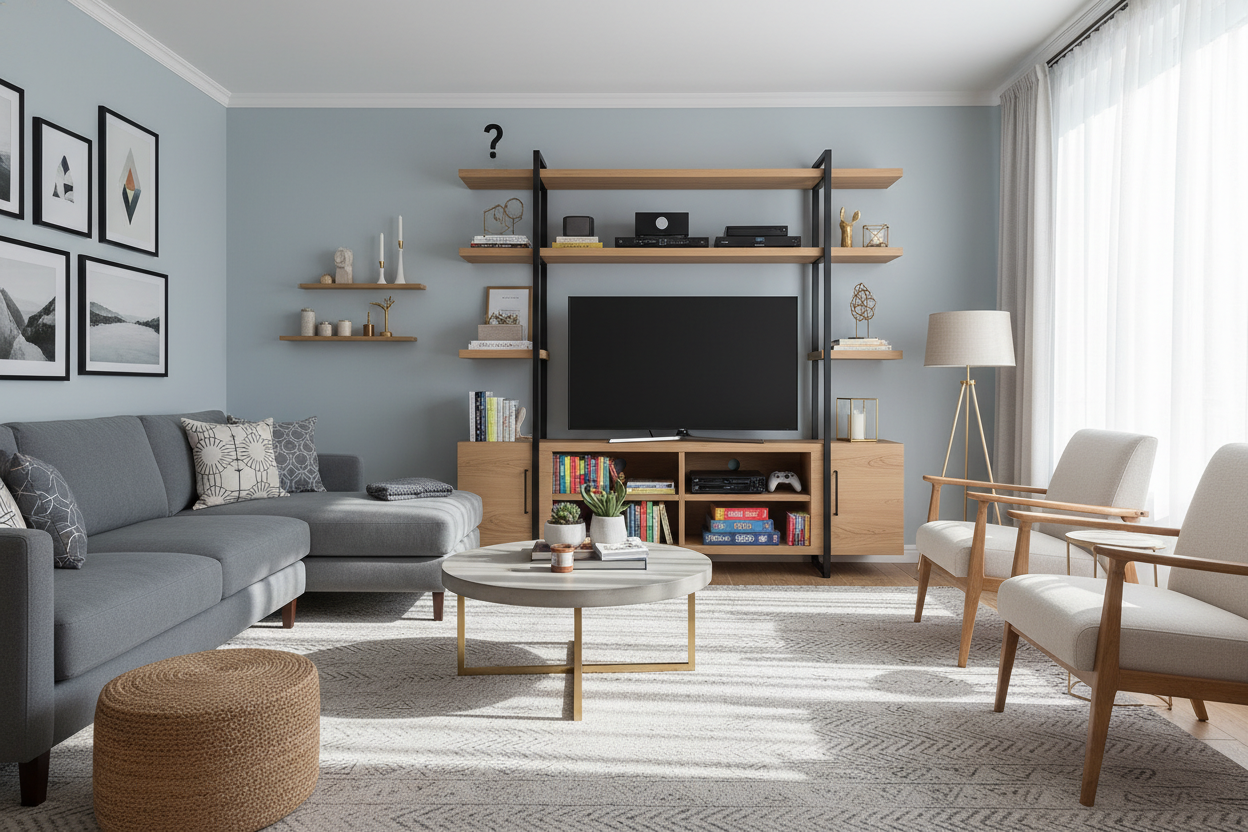
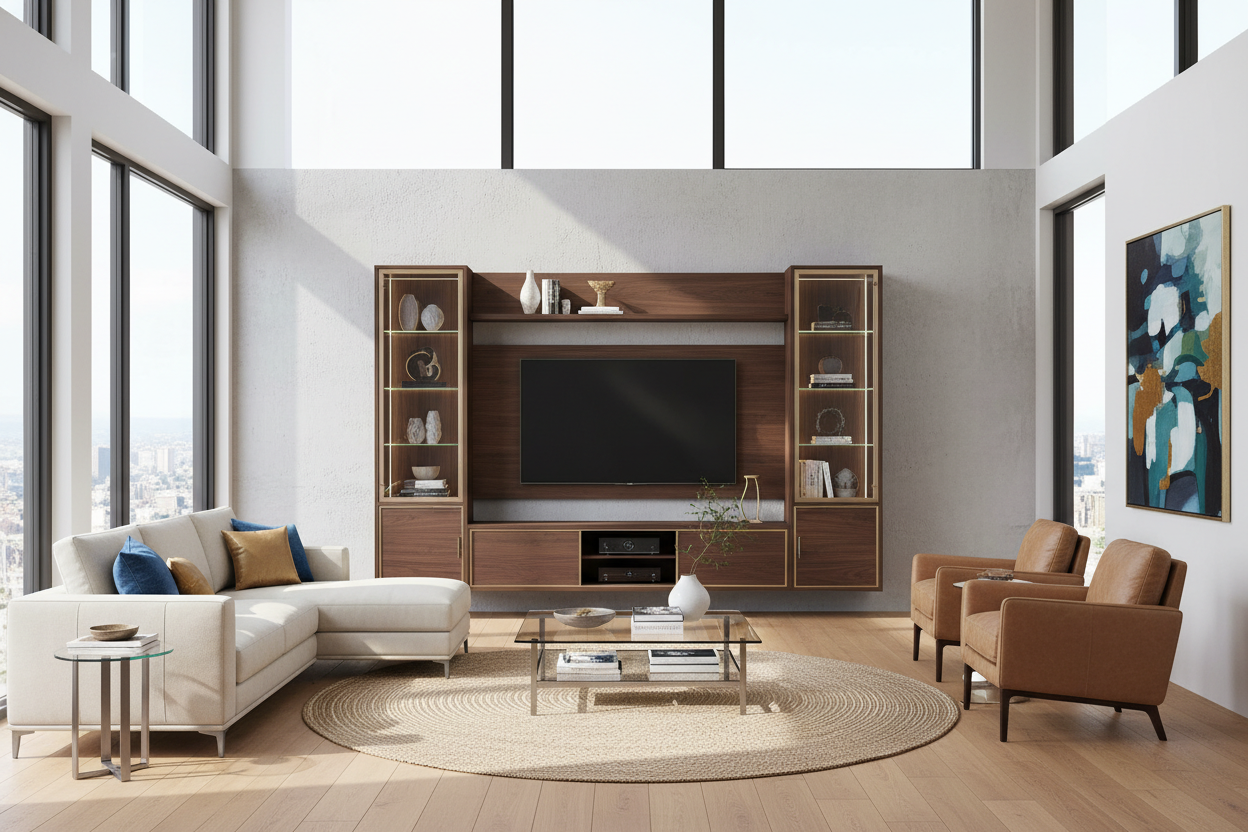
If you're constantly leaving the doors open just to watch a movie, your furniture has failed its primary job. It's time to stop the DIY madness and look into choosing the perfect cabinet and sideboard actually designed for A/V. Look for 'flow-through' ventilation in the product specs. This means the shelves themselves have slots cut into them.
Another sign it's time to move on? Cable chaos. If you have a 'rat's nest' that prevents you from pushing the cabinet flush against the wall, you need a unit with dedicated internal cable channels. Proper media furniture has 'logic' to its layout, keeping power cables away from signal cables to prevent that annoying hum in your speakers.
The Final Verdict: Balancing Aesthetics vs. Airflow
You don't have to live in a server room. You can find a sleek black cabinet with glass doors that actually features hidden vents or a louvered front that lets air—and remote signals—pass through freely. The goal is a setup that looks like a living room but breathes like a professional rack system.
I eventually traded my solid-door credenza for a unit with slatted wood doors. It looks just as high-end, but I can finally watch a three-hour epic without worrying about my receiver melting. Don't let a pretty piece of wood be the reason your $2,000 system ends up in the scrap heap.
FAQ
Does every receiver need a fan?
Not necessarily. If your cabinet has an open back and at least 4 inches of vertical clearance, passive airflow is usually enough. But if you have less than 2 inches of space on top, a fan is a mandatory $20 insurance policy.
Can I use a mesh front instead of glass?
Absolutely. Mesh is the gold standard for airflow and signal pass-through. It hides the 'tech' look while allowing the equipment to breathe perfectly. Just be prepared to dust the inside of the cabinet a bit more often.
How much clearance do I really need?
Aim for at least 2 inches on the sides and 3-5 inches on top. Heat rises vertically; if you trap it against the shelf directly above the receiver, it will soak back into the unit and cook the internal capacitors.

Leave a comment
This site is protected by hCaptcha and the hCaptcha Privacy Policy and Terms of Service apply.