










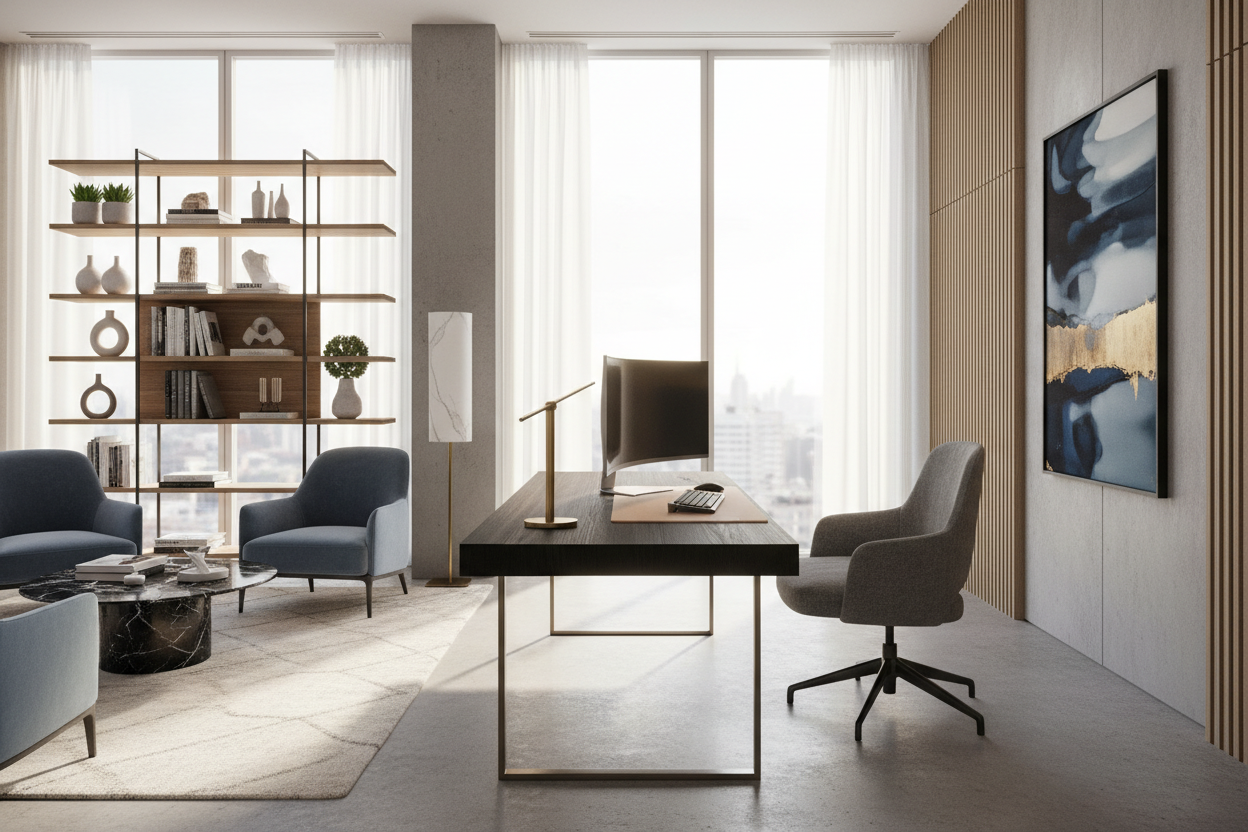
We have all seen those perfectly curated living rooms on Instagram, featuring expansive walls of minimalist open shelves holding exactly three carefully placed ceramic vases. But then reality hits. You have board games, Wi-Fi routers, dog toys, and stacks of mail. When you try to replicate that airy look, the room just feels chaotic. The truth is, mastering cabinets and shelving isn't about buying the most expensive pieces—it is about understanding the balance between display and concealment.
In my fifteen years designing residential spaces across North America, I have found that the right mix of closed cabinets & shelving is the quiet foundation of a well-designed room. Today, we are going to walk through how to plan, scale, and style your storage so it handles real life while looking completely custom.
Quick Decision Guide
- Follow the 1/3 rule: Aim for one-third open shelving (for display) and two-thirds closed cabinetry (for the ugly stuff).
- Mind the depth: Base cabinets should typically be 18 to 24 inches deep, while upper shelves should sit around 10 to 12 inches deep to prevent a top-heavy look.
- Anchor with visual weight: Always place your heaviest, darkest, or most solid pieces (the cabinets) at the bottom to ground the room.
- Leave negative space: Resist the urge to pack every inch of a shelf. Empty space is what makes your decorative objects stand out.
Space Planning: Nailing the Proportions
Before you start drilling into drywall or ordering massive furniture pieces, you need to understand how these units will interact with your room's footprint. A common mistake I see in suburban family rooms is buying storage that is too shallow, leaving the room feeling like a waiting area rather than a cohesive living space.
The Clearance Rules
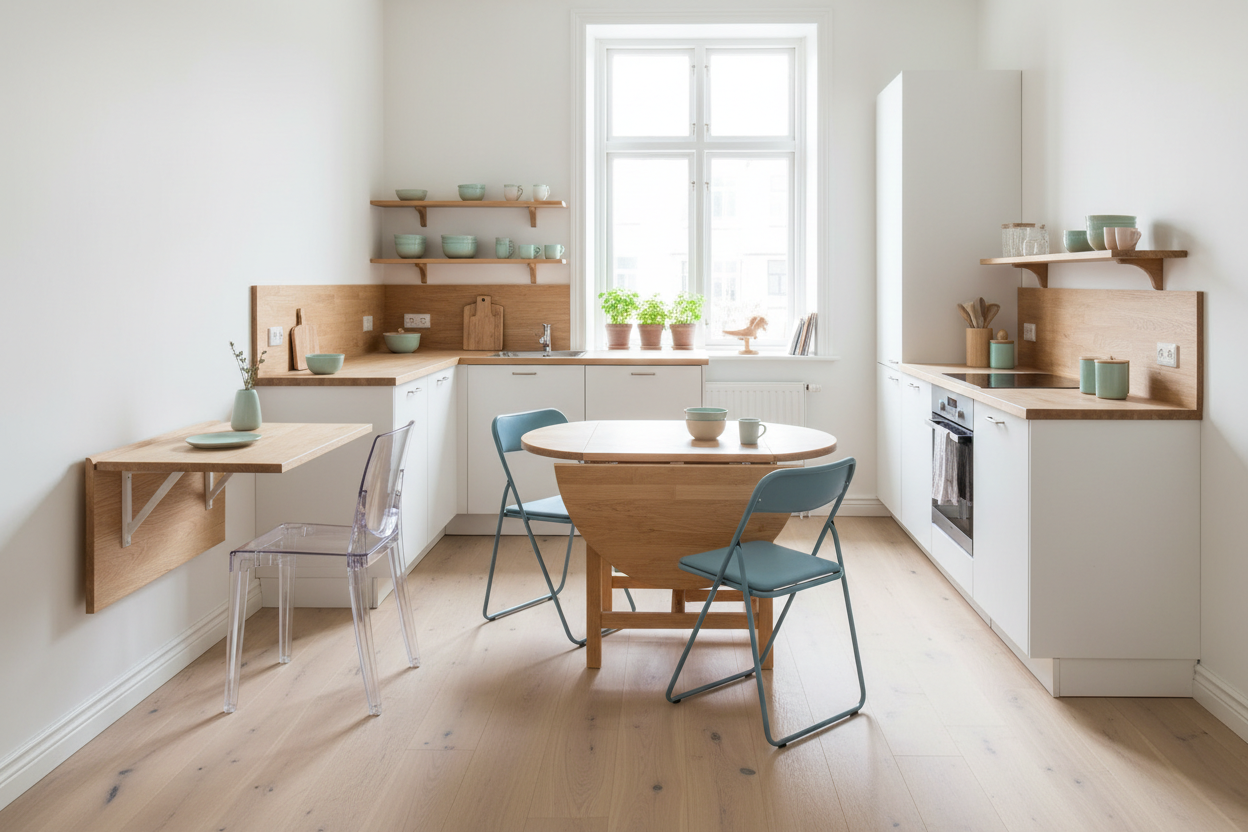
If you are installing base cabinets with doors, you need to account for the swing radius. Always leave at least 36 inches of clear walkway in front of an open cabinet door. If you are working with a tight apartment layout, consider sliding doors or narrower 15-inch depth units that still hold books and media components without eating up your floor plan.
Material Realities for North American Homes
The materials you choose dictate not just the aesthetic, but the longevity of your storage. We ask a lot of our furniture—it has to survive dry winter heating, humid summers, and the daily wear and tear of kids and pets.
Solid Wood vs. High-Quality Veneer
While solid wood is often touted as the gold standard, a high-quality wood veneer over an MDF (medium-density fiberboard) core is actually incredibly stable. Solid wood expands and contracts with humidity changes, which can cause cabinet doors to warp or stick over time. A good veneer provides the exact same visual warmth of walnut or white oak but remains dimensionally stable year-round. Just avoid cheap paper laminates that peel at the edges the moment a damp cloth touches them.
Styling Your Storage
Once your pieces are in place, the way you fill them determines whether they look like a designer showroom or a cluttered thrift store aisle.
Managing Visual Weight
Start styling by placing your largest items first—think oversized art books, large woven baskets, or substantial pottery. Distribute these heavy items in a zig-zag pattern across your shelves so the eye naturally bounces around the arrangement. Then, fill in the gaps with smaller objects, making sure to group items in odd numbers (threes and fives). Finally, step back and edit. Take away at least two items to let the arrangement breathe.
Lessons from My Own Projects
Early in my career, I designed a stunning, floor-to-ceiling wall of open white oak shelving for a client's living room. It looked incredible on installation day. Six months later, I stopped by for a follow-up. The reality of daily life had taken over—stray chargers, unread magazines, and a chaotic mix of kids' toys were crammed onto every tier. It looked incredibly messy.
That project taught me a hard lesson about the way people actually live. Now, I refuse to design a storage wall without integrating closed base cabinetry. Open shelves require constant curation and dusting. Having a place to shove the remote controls and messy board games behind a solid door isn't just a design choice; it is a sanity saver. The downside of custom base cabinets is the upfront cost, but the daily peace of mind is worth every penny.
Frequently Asked Questions
How deep should open shelves be?
For general display, 10 to 12 inches is the sweet spot. This depth comfortably holds standard books, medium-sized frames, and decorative objects without casting heavy shadows or making items look lost.
Can I mix different wood tones?
Absolutely. The trick is to ensure the woods share a similar undertone (warm or cool). If your floor is a warm honey oak, a warm walnut cabinet will coordinate beautifully. Just use a rug to break up the woods if the cabinet sits directly on a similarly toned floor.
How do I make freestanding units look built-in?
Push freestanding bookcases or cabinets flush against each other and secure them to the wall. You can add simple baseboard trim along the bottom and crown molding at the top to seamlessly integrate them into the room's architecture for a fraction of the cost of custom millwork.

Dejar un comentario
Este sitio está protegido por hCaptcha y se aplican la Política de privacidad de hCaptcha y los Términos del servicio.