










We have all been there: scrolling endlessly through feeds, saving hundreds of images, yet feeling paralyzed when it comes to actually executing the design. The disconnect between a saved image and a functional workspace is often vast. The secret isn't just finding **office decoration inspo**; it is understanding the architectural and stylistic layers that make those images appealing in the first place. As a designer, I tell my clients that a home office must bridge the gap between high-performance utility and a curated, residential atmosphere.
Core Design Pillars for Workspaces
Before buying a single piece of furniture, consider these fundamental elements. Focusing on these ensures your space looks intentional rather than cluttered.
- Spatial Flow & Layout: Ensure a minimum of 36 inches of clearance behind your desk for chair movement.
- Lighting Layering: Combine ambient (overhead), task (desk lamp), and accent (sconces or floor lamps) lighting to reduce eye strain.
- Material Tactility: Mix hard surfaces (wood, glass) with soft textures (wool rugs, velvet drapery) to dampen sound.
- Ergonomic Integration: Prioritize chairs with lumbar support and adjustable seat depth over purely sculptural pieces.
Translating Visuals into Layouts
When analyzing office decor inspo, notice where the furniture sits relative to the light source. A common error is placing the desk directly facing a window, which creates silhouette issues on video calls, or with the window directly behind, causing screen glare. Position your desk perpendicular to the window. This allows for soft, diffused light to wash over your workspace, illuminating your face clearly while preventing contrast fatigue on your monitor.
Defining the Palette
Corporate offices often feel sterile because of cool, blue-toned lighting and grey laminates. To achieve a studio aesthetic, lean into warmer neutrals. Consider walnut or white oak veneers for your desk surface; these natural grains add warmth and hide dust better than solid black or glass surfaces. Use matte finishes on metal hardware to avoid fingerprint magnetism.
Mastering Vertical Space: Office Wall Inspo
The walls are often the most underutilized real estate in a home office. Office wall inspo shouldn't just be about gallery walls; it should be about functional verticality.
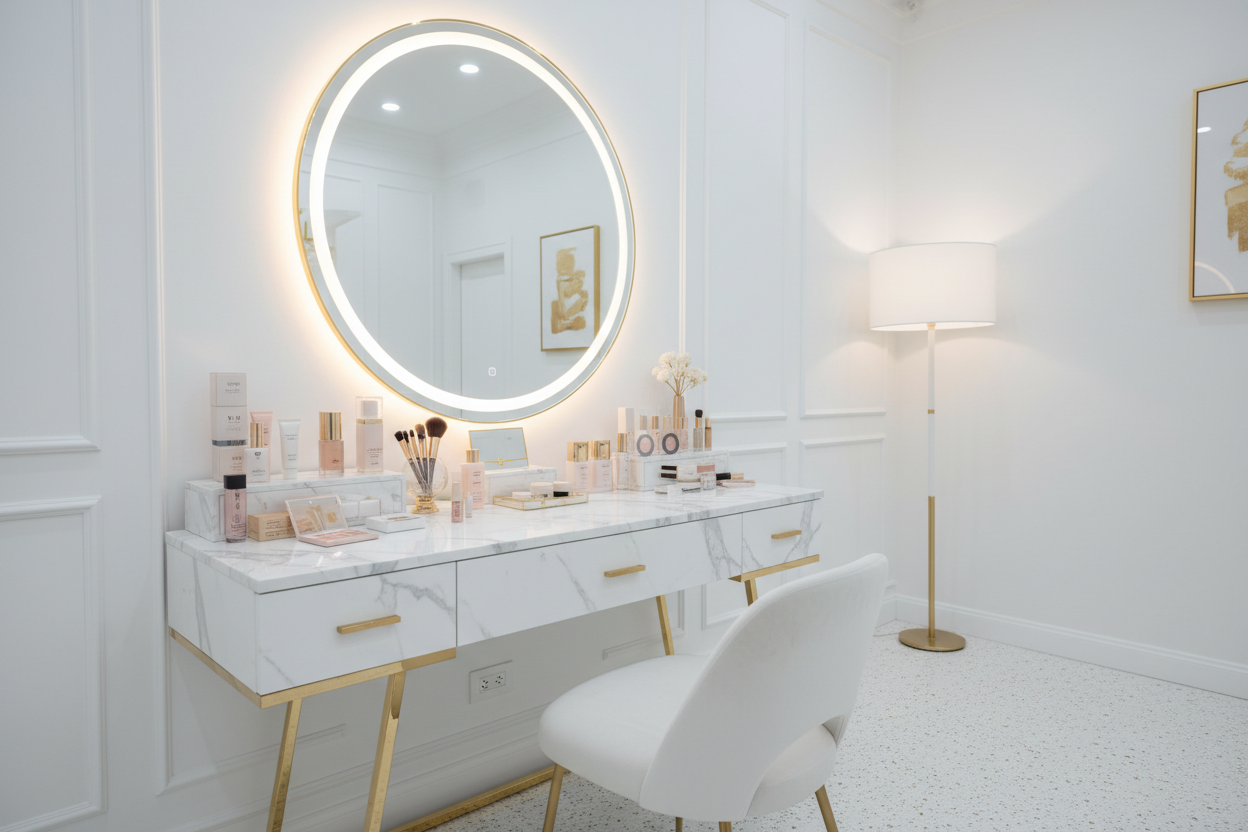
Floating shelves are excellent for keeping the desk clear, but they require styling discipline. Use the "triangle rule" when arranging objects—group items in threes with varying heights to create visual interest. For a more sophisticated look, consider installing picture molding or wainscoting. This adds architectural depth and creates a frame for art without the visual chaos of too many small frames.
Sourcing the Right Decor
When you are hunting for office inspo decor, be wary of "fast furniture" trends. A workspace endures significant wear and tear. A boucle chair might look trendy, but if the fabric has a loose weave, it will snag on zippers and buttons within a month. Opt for performance fabrics or top-grain leathers that patina over time rather than degrade.
Lessons from My Own Projects
I want to share a specific mistake I made early in my career so you don't have to. I once designed a stunning minimalist office for a client featuring a high-gloss, black lacquer desk. In the renderings and photos, it looked sleek, expensive, and incredibly sharp.
However, three weeks after installation, the client called me. The issue wasn't the look; it was the usability. The high-gloss finish acted like a mirror for the overhead recessed lighting, creating a distracting glare that caused headaches. Furthermore, the client's optical mouse struggled to track on the reflective surface, requiring a mousepad that ruined the clean lines we aimed for. We eventually swapped it for a matte, ebonized oak desk. It taught me that in an office, surface reflectivity matters just as much as the color.
Conclusion
Transforming your workspace requires looking past the initial image and understanding the mechanics of the room. By prioritizing lighting, durable materials, and a layout that respects workflow, you can create an environment that feels as good as it looks. Stop saving pictures and start building a space that works for you.
Frequently Asked Questions
How do I make a small office look bigger?
Utilize vertical storage and keep the floor visible. Desks with legs rather than solid block sides make the room feel airier. Mirrors can also double the visual depth of the space.
What is the best color temperature for office lighting?
Aim for 3000K to 4000K. This range provides a crisp, white light that promotes focus without being as harsh and clinical as 5000K daylight bulbs.
Is a standing desk worth the aesthetic compromise?
Absolutely. However, you don't have to compromise. Look for standing desks with solid wood tops and concealed motors. Many high-end manufacturers now offer legs in brass or matte black finishes that rival static designer desks.


Dejar un comentario
Este sitio está protegido por hCaptcha y se aplican la Política de privacidad de hCaptcha y los Términos del servicio.