










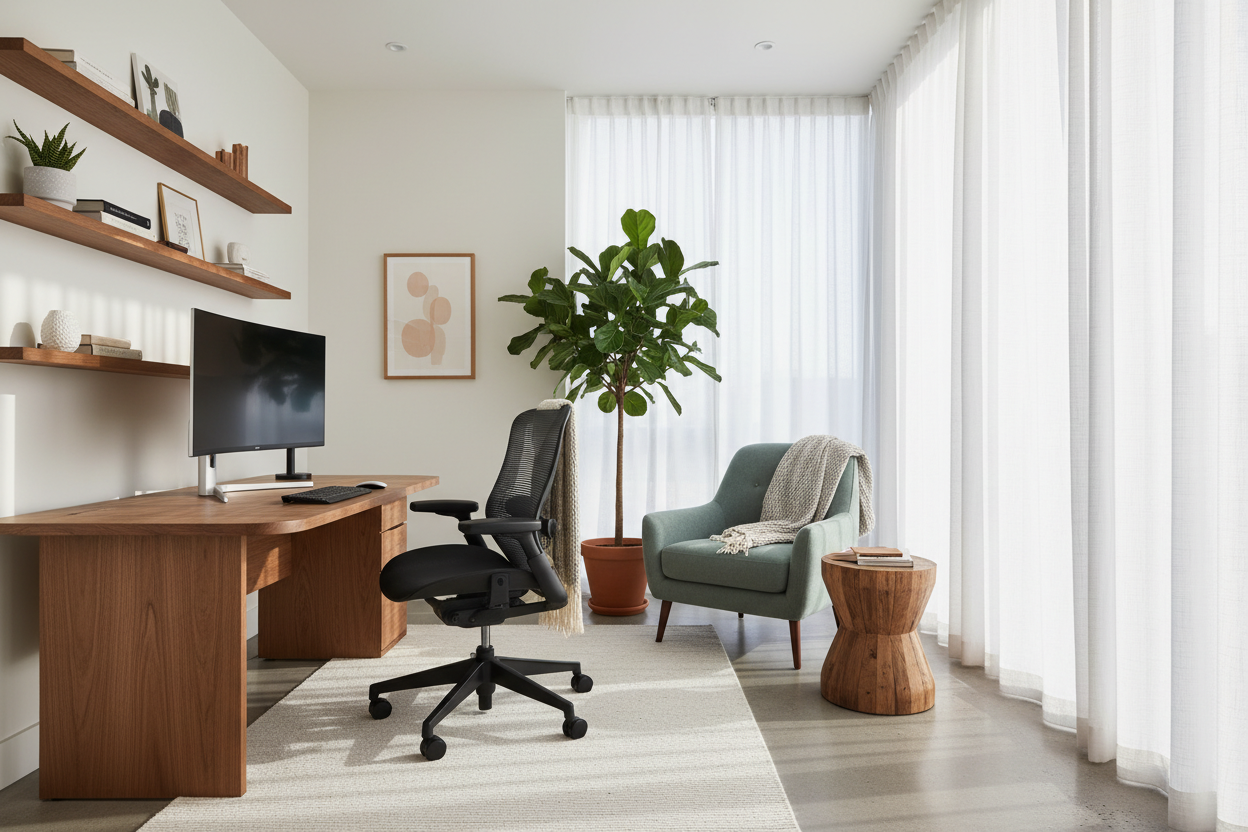
When you finally secure one of the coveted home workers jobs, the immediate excitement often overshadows the logistical reality: where are you actually going to put the laptop? As a designer, I see this constantly. Clients spend months searching for jobs work home, but only minutes thinking about the environment where they will spend forty hours a week. The kitchen island is a temporary fix, not a permanent solution.
Whether you have landed permanent jobs work from home or are piecing together freelance gigs, the physical foundation of your workspace dictates your productivity. It is not just about aesthetics; it is about creating a hierarchy of space that separates your work in home from your life in the home. This guide explores how to curate a professional sanctuary that balances ergonomic function with residential style.
Key Features to Look For
Before purchasing furniture for jobs for home environments, evaluate these core elements to ensure longevity and comfort:
- Ergonomics & Silhouette: Does the chair support the lumbar curve while maintaining a visual profile that suits the room?
- Material Integrity: Opt for solid hardwoods (oak, walnut) or high-grade veneers over particle board for durability.
- Lighting Temperature: Aim for 3000K-4000K task lighting to reduce eye strain without creating a sterile "office" feel.
- Acoustic Dampening: Use plush rugs or upholstered panels to absorb sound, essential for home home jobs involving frequent calls.
Designing for the "Permanent" Home Office
The shift from temporary work to home jobs to a permanent lifestyle requires a shift in furniture quality. We are moving away from the makeshift setups often seen in home worker vacancies ads and toward bespoke design.
The Chair: The Anchor of the Room
If you have secured it working from home jobs or administrative roles requiring long hours, your chair is your primary tool. A common mistake is prioritizing a heavy, executive leather look that lacks breathability. Instead, look for a mesh-hybrid back with a high-quality fabric seat. It offers the necessary airflow for an 8-hour shift but retains a softer, residential texture that fits a bedroom or living area corner.
The Desk: Surface Area and Materiality
For work and home job balance, the desk size is critical. A depth of at least 24 inches is non-negotiable for monitor placement. Regarding materials, avoid high-gloss finishes; they reflect overhead lighting and cause glare. A matte walnut or white oak finish absorbs light and hides the inevitable dust and fingerprints better than glass or black lacquer. If you are browsing a home job service or www work from home listings, you will notice the pros always recommend a dedicated surface, not a shared table.
Zoning and Layout Strategy
For those balancing work on home jobs within a shared living space, "zoning" is the design term we use for creating psychological boundaries. You don't need a separate room to have a separate zone.
Use an area rug to visually anchor the desk, effectively creating an island of productivity. Position your desk perpendicular to a window to maximize natural light without direct glare on your screen. This setup is far superior to facing a blank wall, which fatigues the eyes. Even if you are just browsing work from home job.com for opportunities, start planning this layout now. It signals to your brain that this specific square footage is for home jobs from home, not for leisure.
My Personal Take on home workers jobs
I learned a hard lesson early in my career while designing my own study. I fell in love with a vintage mid-century modern chair. It was sculptural, beautiful, and had the perfect teak finish. I convinced myself it was perfect for my at home home jobs tasks.
The reality? It was a disaster. The seat pitch was too far back, and the lack of height adjustment meant my wrists were constantly bent at an awkward angle. After two weeks, I had severe shoulder tension. I realized that no matter how good a piece looks in a portfolio, if it fails ergonomically, it fails completely. Now, I always tell clients: never buy a chair you haven't sat in for at least 20 minutes, or buy from a supplier with a robust return policy. Don't trust a generic work from home jobs phone number or hotline for furniture advice; trust your spine.
Frequently Asked Questions
How do I fit a workspace into a small apartment?
Focus on verticality. Use a ladder desk or wall-mounted shelving unit. This utilizes height rather than floor space, keeping the footprint minimal while providing storage for job that work from home essentials.
What is the best lighting for video calls?
Avoid direct overhead downlights, which create shadows under the eyes. Place a soft, diffused lamp behind your monitor (bias lighting) and a main light source at a 45-degree angle to your face.
Is a standing desk worth the investment?
Absolutely. For w0rk from home jobs that are sedentary, a variable-height desk changes your posture and energy levels. Look for motorized legs that can be attached to a custom wood top to maintain a high-end look.
Conclusion
Securing job from home jobs is a career milestone, but designing the space is a lifestyle upgrade. By investing in tactile materials, proper lighting, and ergonomic support, you transform a corner of your house into a powerhouse of productivity. Don't let your environment be an afterthought.


Dejar un comentario
Este sitio está protegido por hCaptcha y se aplican la Política de privacidad de hCaptcha y los Términos del servicio.