










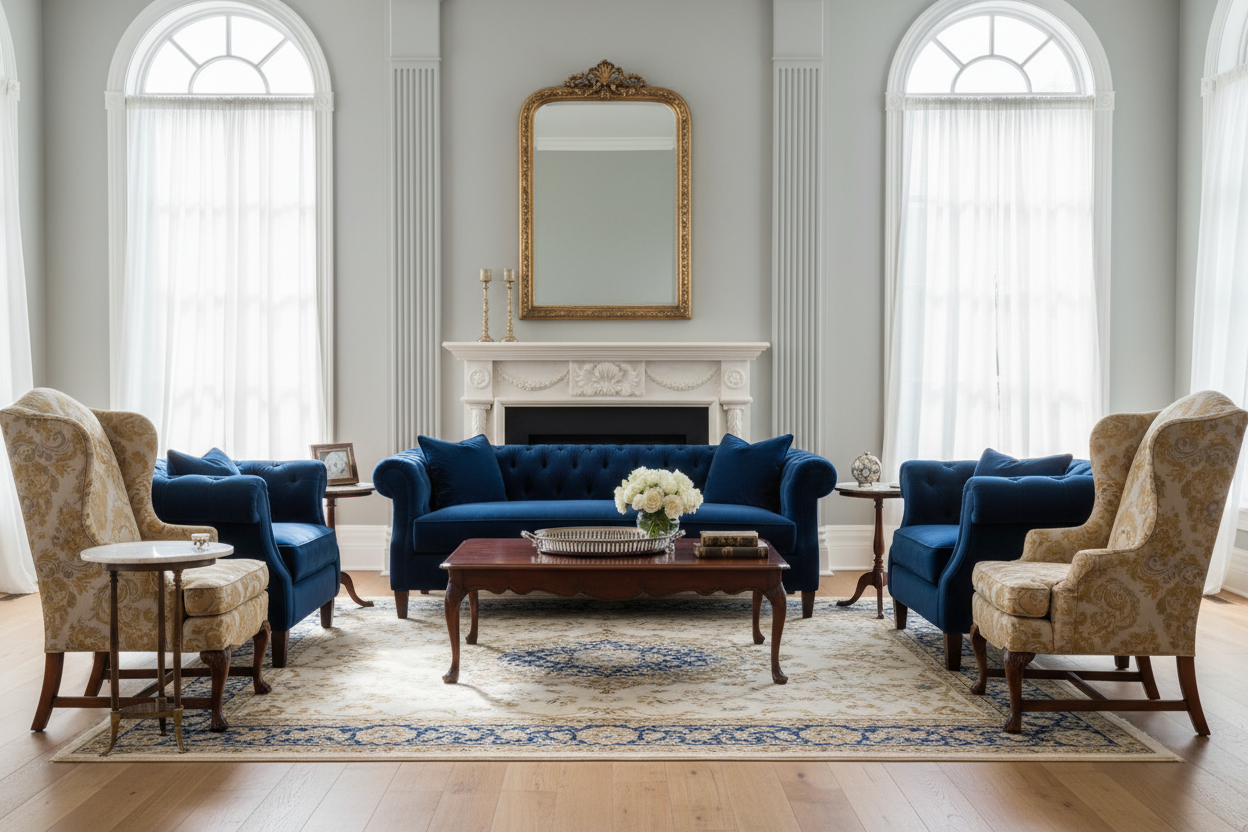
When clients approach me to design their primary entertaining space, they often face a specific paralysis: balancing grandeur with genuine hospitality. They want a space that impresses guests, yet they fear creating a museum-like atmosphere where no one dares to sit. A well-curated formal living room set is the anchor of this balance. It dictates the flow of conversation, the level of formality, and the tactile experience of the room. This guide is designed to move you past the showroom gloss and into the structural and aesthetic details that actually matter.
Key Features to Look For
If you are scanning options online or walking the floor, keep these four non-negotiable criteria in mind to ensure longevity and style:
- Frame Construction: Look for kiln-dried hardwood frames. Avoid particleboard if you want the piece to last more than five years.
- Suspension System: 8-way hand-tied springs are the gold standard for a formal sofa set, offering support that doesn't sag over time.
- Fabric Durability: For high-traffic formal areas, look for performance velvets or high-rub-count linens rather than delicate silks.
- Scale and Proportion: Ensure the seat height (usually 17-19 inches) pairs correctly with your coffee table to facilitate natural conversation.
Defining the Silhouette and Style
The silhouette of your seating sets the architectural tone of the room. Unlike the deep, slouchy sectionals found in media rooms, formal living room sofas generally favor structure and upright ergonomics. This encourages posture conducive to conversation rather than napping.
For a traditional aesthetic, a Chesterfield with deep button tufting offers visual weight and history. If your home leans modern, look for formal living room couches with clean, tuxedo arms where the arm height matches the back height. This creates a continuous line that looks incredibly chic and keeps sightlines open across the room.
Material Selection: The Tactile Experience
The fabric choice is where a sofa for formal living room layouts transitions from furniture to art. However, this is also where most mistakes happen. While silk and pure linen are breathtaking, they are unforgiving.
The Case for Performance Fabrics
In recent projects, I have steered clients toward high-end performance velvets and crypton fabrics. These materials mimic the hand-feel of natural fibers but repel spills and resist crushing. When investing in formal living room furniture sets, you want assurance that a spilled glass of red wine won't ruin the investment.
Space Planning and Visual Balance
A common error is pushing all furniture against the walls. A formal living room sofa set should float in the room to create intimacy. I recommend anchoring the furniture on a large area rug—ensure at least the front legs of all seating pieces are on the rug.
Pair your main sofa with accent chairs that offer a contrasting silhouette. If the sofa is heavy and skirted, choose chairs with exposed legs to keep the room from feeling 'stuffed.' This play on visual weight keeps the eye moving and makes the space feel curated rather than purchased from a catalog page.
Lessons from My Own Projects
I want to share a specific detail from a project I worked on last year that changed how I specify these sets. I ordered a stunning, high-pile velvet formal sofa set for a client who loved the 'shimmer' look. However, I failed to stress the reality of 'pooling' or 'shading'—the natural marks left when you sit on velvet and the pile changes direction.
Two weeks after installation, the client called in a panic, thinking the fabric was stained. It wasn't; it was just the nature of the material. Now, I always have clients do a 'sit test' on a sample swatch. I also check the cushion fill. For formal spaces, I prefer a spring-down mix (springs surrounded by foam and wrapped in down). Pure down requires constant fluffing to look presentable, and nothing ruins the look of a formal room faster than a frumpy, un-fluffed sofa. A tighter seat keeps that crisp, architectural look without constant maintenance.
Conclusion
Selecting the right furniture is about respecting the architecture of your home while serving the people who live in it. By focusing on kiln-dried frames, appropriate scale, and forgiving yet luxurious fabrics, your living room will transcend trends. It becomes a space of gathered elegance—inviting, impressive, and enduring.
Frequently Asked Questions
How do I mix and match furniture if I don't want a matching set?
To avoid the 'showroom matchy-matchy' look, buy the main sofa first. Then, select chairs that share a common element—such as a similar leg finish or a complementary color in the fabric—but differ in shape. This creates a cohesive but collected aesthetic.
What is the ideal size for a formal living room set in a small room?
In smaller spaces, avoid overstuffed arms. Look for 'apartment scale' or track-arm sofas. These provide the same seating width but shave off 6 to 10 inches of total width, allowing for better flow around the piece.
How do I maintain light-colored upholstery in a formal room?
Vacuum the fabric weekly to prevent dust from settling into the fibers, which causes dullness. If you choose a light color, ensure the fabric code is 'W' or 'W/S' so it can be spot-cleaned with water-based solvents, or opt for a professional stain-guard treatment upon delivery.

Dejar un comentario
Este sitio está protegido por hCaptcha y se aplican la Política de privacidad de hCaptcha y los Términos del servicio.