











As a designer, one of the most frequent dilemmas I help clients navigate is the balance between budget constraints and the desire for a cohesive, high-end look. You are likely staring at an empty room, wondering if you should drive to the blue-and-yellow warehouse or the expansive showroom down the street. The debate of ikea vs living spaces isn't just about price; it is about the intersection of longevity, spatial planning, and your lifestyle needs.
Quick Decision Guide: Which Retailer Fits Your Home?
If you are standing in the store right now or have multiple tabs open, here is the breakdown of what matters most for your decision:
- Best for Small Apartments: IKEA (Modular sizing, shallower depths).
- Best for Customization: Living Spaces (Special order fabrics, multiple configurations).
- Delivery Experience: Living Spaces (White glove service) wins over IKEA (DIY transport/assembly).
- Material longevity: Living Spaces generally offers better structural framing (kiln-dried wood) compared to IKEA's particleboard/honeycomb paper filling.
- Immediate Availability: IKEA (If it's in stock, you take it home today).
Analyzing the Design Aesthetics
When curating a room, the visual weight of furniture is paramount. These two retailers offer vastly different silhouettes.
The Scandinavian Efficiency
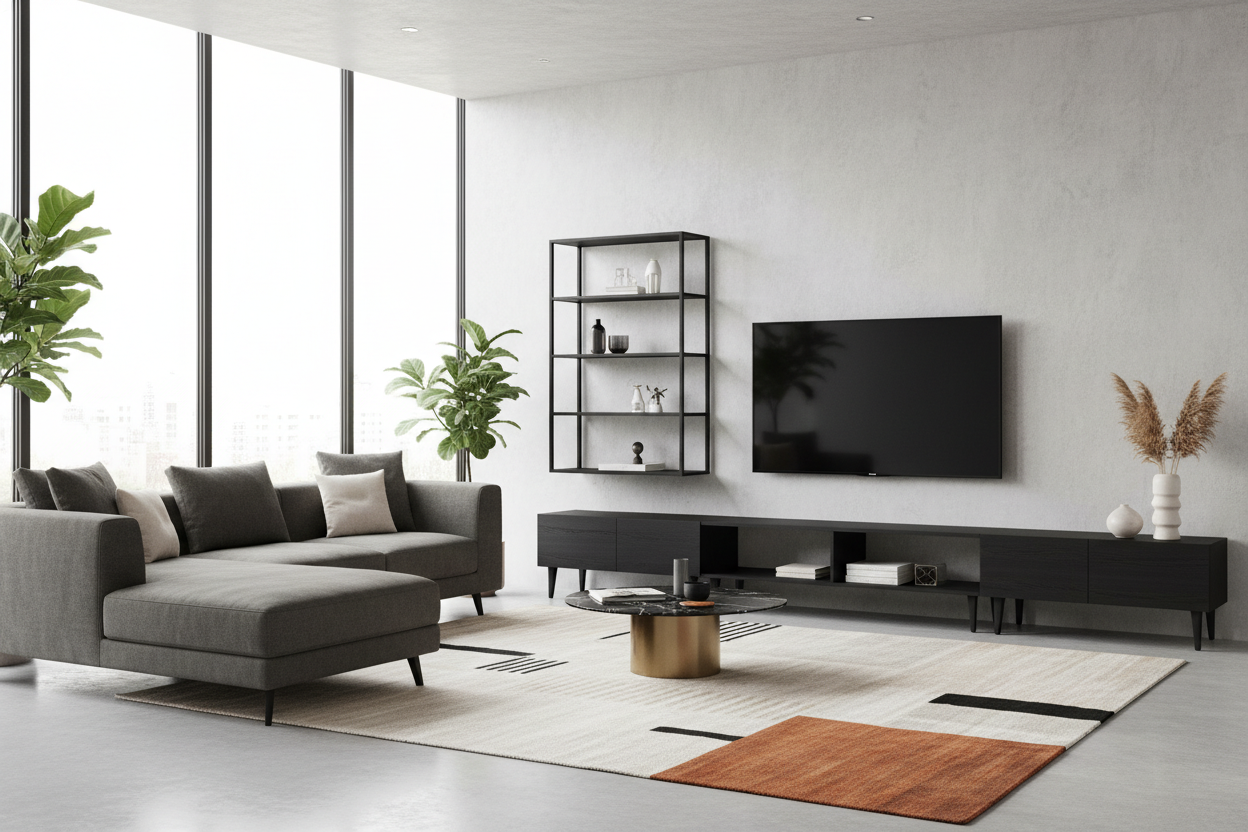
IKEA is strictly rooted in Scandinavian modernism. The profiles are low, the lines are clean, and the scale is generally smaller. This is brilliant for tight urban footprints where visual flow is necessary. However, the aesthetic is distinct; it is difficult to make an IKEA-heavy room look "traditional" or "farmhouse" without significant hacking.
The "California Casual" Approach
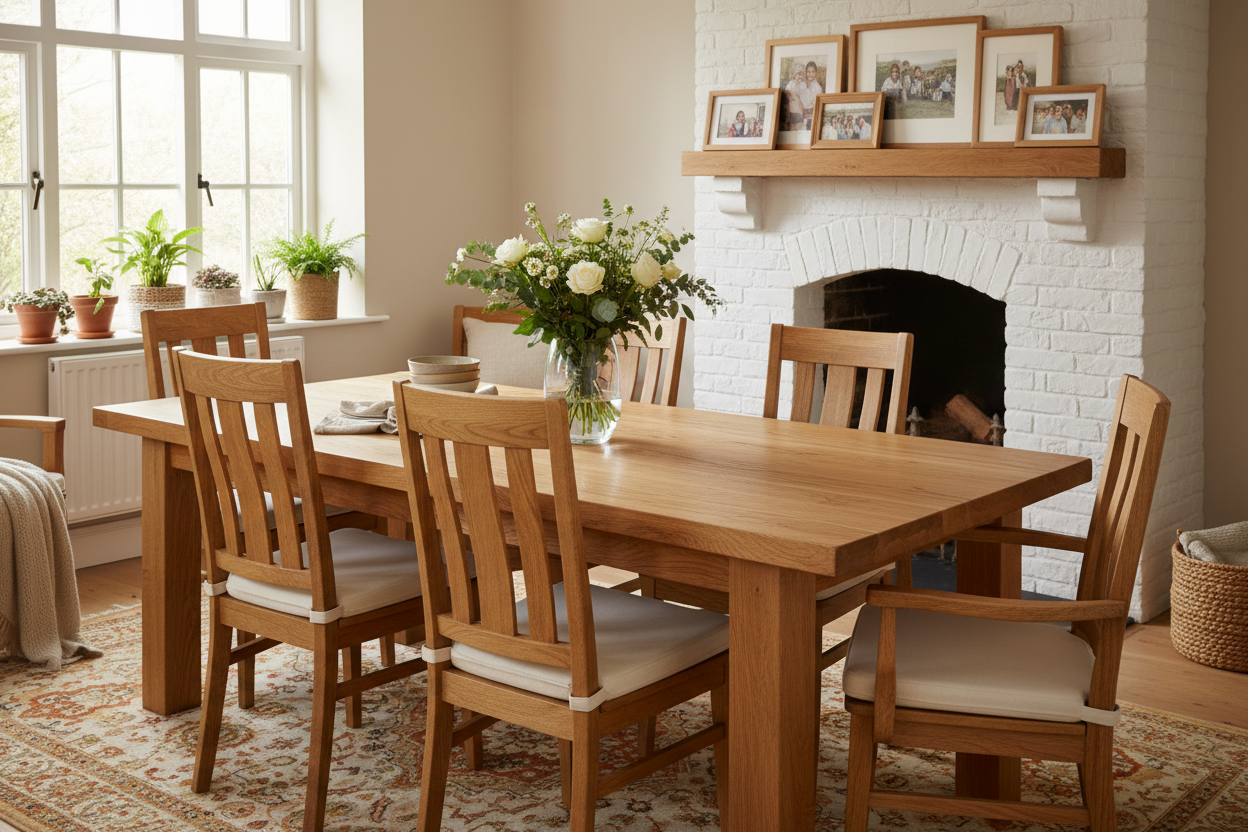
Living Spaces leans heavily into the transitional and "California Casual" aesthetic. Their furniture tends to have a heavier visual weight—think rolled arms, deeper seat cushions, and chunky wood bases. If you have a large open-concept home, IKEA pieces might look lost or "floating," whereas Living Spaces furniture is scaled to anchor these larger zones effectively.
Material Quality and Construction
This is where the investment difference becomes tangible. As a specialist, I look past the fabric and into the frame.
Structure and Framing
IKEA utilizes a lot of particleboard and a proprietary honeycomb paper filling for surfaces like the Lack or Kallax series. While lightweight and cost-effective, these materials do not hold up well to lateral stress or moisture. Living Spaces, particularly their higher-tier collections, often utilizes kiln-dried hardwood frames and corner-blocked joinery, which is the industry standard for preventing warping and wobbling over time.
Upholstery and Textiles
IKEA offers removable, washable covers—a massive benefit for families with pets. However, the fabric grades are limited. Living Spaces offers a custom upholstery program (Special Order). This allows me to specify high-performance fabrics like Crypton or Sunbrella for clients, ensuring the piece resists staining and pilling far longer than standard polyester blends.
The Logistics of Luxury: Assembly vs. Delivery
Design isn't just about the object; it's about the experience of acquiring it. IKEA is synonymous with flat-pack. You are paying with your time and patience. The joinery relies on cam locks and dowels, which can loosen if the piece is moved frequently.
Living Spaces offers a distinct advantage with their delivery tiers. Their full-service option includes assembly and trash removal. For large sectionals or heavy dining tables, having a professional team install the piece prevents damage to your walls and floors—a hidden cost often overlooked in DIY scenarios.
My Personal Take on ikea vs living spaces
I want to share a specific observation from a project I worked on last year called "The High-Low Duplex." We mixed pieces from both retailers, and here is what I learned about the aging process.
We installed an IKEA PAX wardrobe system in the bedroom and a Living Spaces sectional in the living room. Six months later, I returned for a follow-up. The IKEA PAX looked immaculate because it was stationary; however, the drawers felt lighter and had a distinct "hollow" sound when closing compared to custom joinery. It looked expensive but sounded budget.
Conversely, the Living Spaces sectional had a different quirk. While the frame was rock solid and heavy (a good sign), the back cushions on the mid-tier model had begun to sag and lose their loft faster than I anticipated. I realized that while Living Spaces offers better frames, you must be vigilant about checking the cushion fill density. If you buy from them, always upgrade the cushion core if the option is available. It’s the difference between a sofa looking new for six months versus six years.
Conclusion
Ultimately, the choice between these two giants depends on your timeline and your floor plan. If you need modularity for a rental or a tight space, IKEA is unbeatable. If you are looking to anchor a permanent home with pieces that offer specific tactile comfort and customization, Living Spaces is the superior investment. Choose the piece that serves the architecture of your home, not just your wallet.
Frequently Asked Questions
Does Living Spaces furniture require assembly like IKEA?
Generally, no. Most Living Spaces items are sold as whole pieces or require minimal setup (like screwing in legs). If you opt for their full-service delivery, they handle all assembly and packaging removal for you.
Which retailer offers better warranties?
IKEA has surprisingly robust warranties on specific lines (like 10 years on PAX and certain kitchens), but they are strict about receipts and structural modifications. Living Spaces offers care plans that cover accidents and stains, which is often more practical for daily use furniture like sofas.
Can I mix furniture from both stores in one room?
Absolutely. The secret to a high-end look is mixing textures. Pair a sleek, white-lacquered IKEA media console with a textured, chunky weave armchair from Living Spaces. This contrast prevents the "showroom" look and adds depth to your interior design.

Dejar un comentario
Este sitio está protegido por hCaptcha y se aplican la Política de privacidad de hCaptcha y los Términos del servicio.