










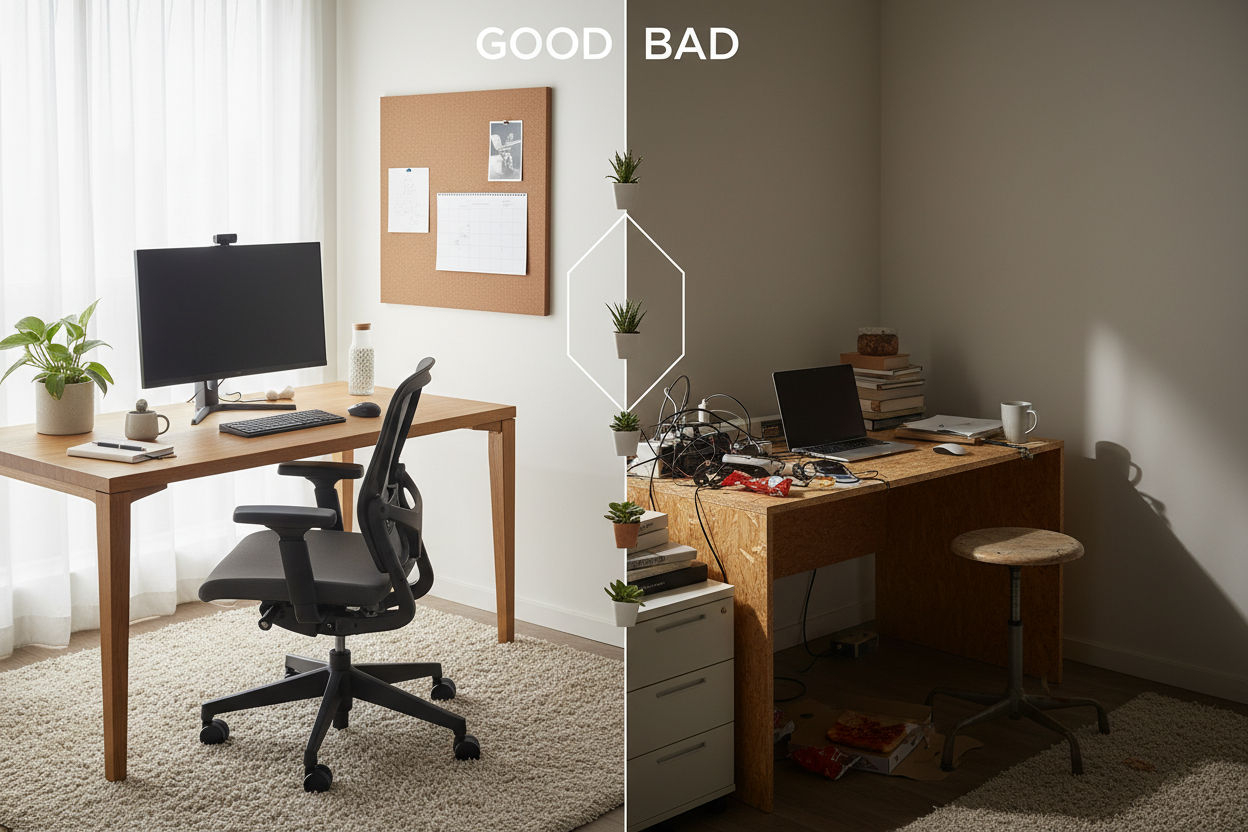
We have moved past the makeshift era of laptops on ironing boards. Now, as homeowners assess their permanent layouts, the question of whether work from home good or bad hinges entirely on design execution. From an interior design perspective, a home office isn't just about utility; it is about how a workspace integrates with your sanctuary without dominating it. If your setup disrupts the visual flow of your living room or ruins your posture, the experience is negative. However, when curated with the right furniture and spatial planning, it elevates the home's functionality. Let’s dissect how to ensure your environment falls on the 'good' side of the equation.
Quick Decision Guide: The Success Factors
- Ergonomics Over Aesthetics: A sculptural chair is useless if it causes lumbar strain; prioritize adjustable seating with proper support.
- Material Cohesion: Avoid 'office grey' laminates. Opt for walnut, oak, or matte finishes that match your existing residential furniture.
- Lighting Layers: Relying solely on overhead cans creates fatigue. Layer task lighting with ambient floor lamps.
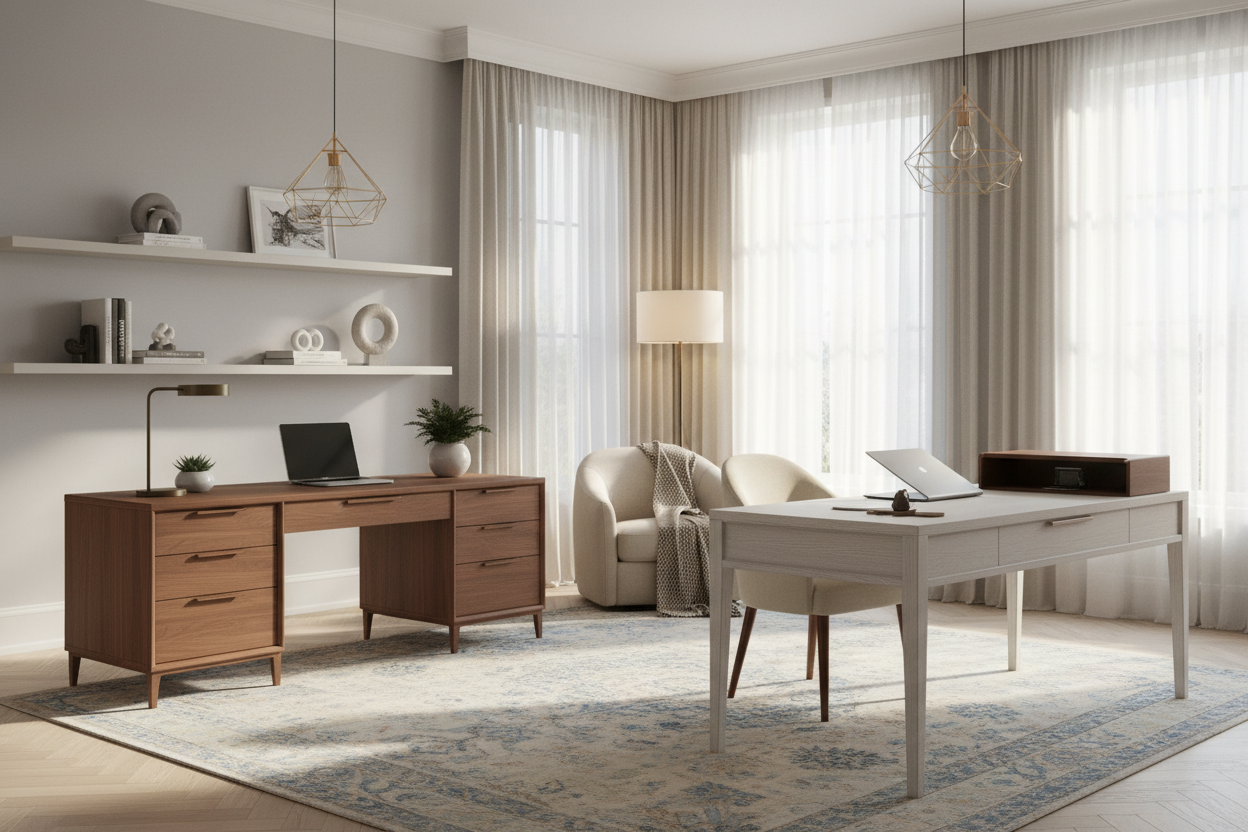
- Spatial Zoning: Even in open plans, use area rugs or shelving units to psychologically separate 'work' from 'rest'.
The Ergonomic Foundation: Where Design Meets Health
When clients ask if work from home is good or bad for their long-term wellbeing, I point immediately to their furniture choices. The 'bad' often stems from treating office furniture as an afterthought.
Selecting the Right Chair
The centerpiece of your setup dictates your physical health. While a rattan dining chair offers a lovely organic texture, it lacks the kinetic support required for an eight-hour shift. Look for high-performance task chairs that disguise their mechanism. Brands are now producing ergonomic seating wrapped in high-quality wools or leathers that soften the 'corporate' look while maintaining necessary lumbar adjustments.
Desk Depth and Materiality
A common mistake is selecting a console table as a desk. Consoles are typically 12-15 inches deep, whereas a functional workspace requires a minimum depth of 24 inches to accommodate a monitor and keyboard without causing eye strain. In terms of material, solid wood creates a sense of permanence and warmth. If you must use veneer, ensure it is a high-grade architectural veneer to prevent the edges from peeling—a telltale sign of low-quality furniture that degrades the room's aesthetic value.
Visual Balance: Avoiding the 'Office Creep'
The main argument for why working from home can feel 'bad' is the visual clutter. Monitors, docking stations, and cables introduce a chaotic visual noise that contradicts the serenity of a home.
The Art of Concealment
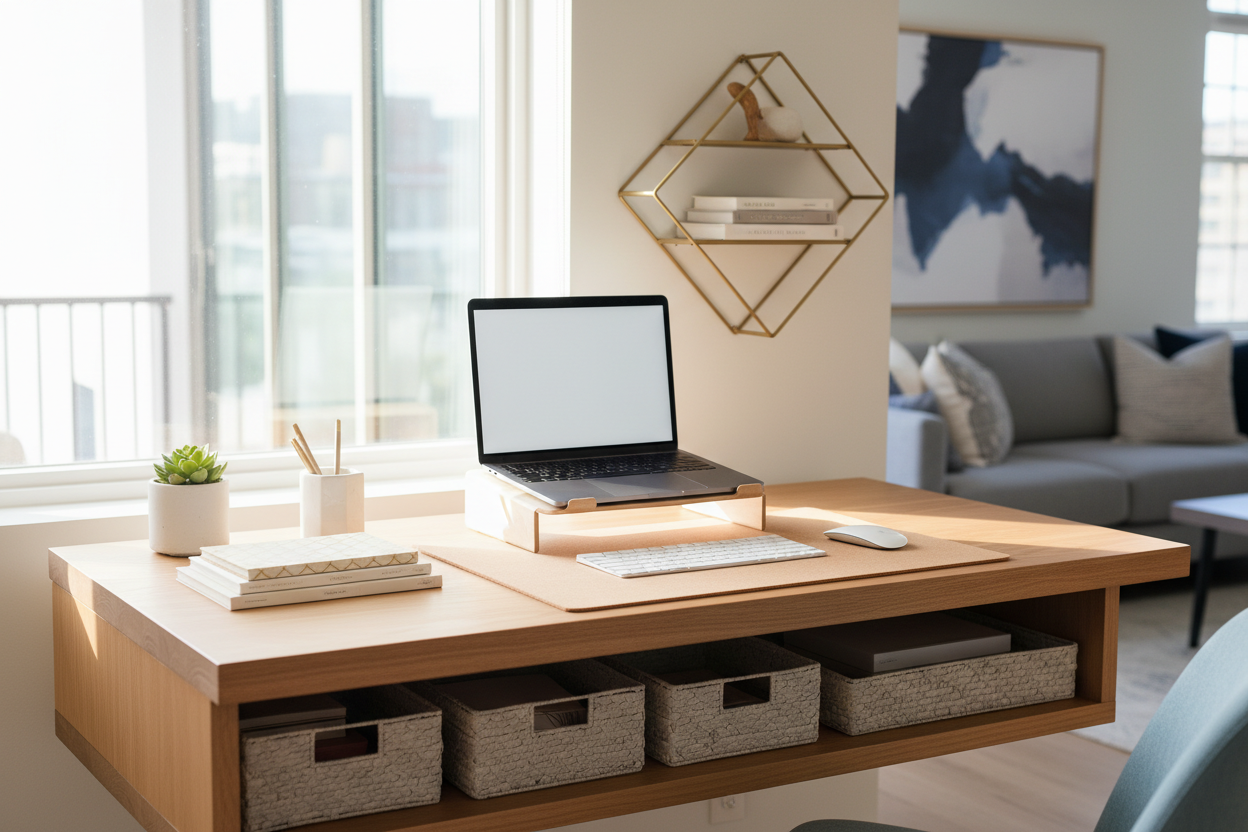
Invest in desks with integrated cable management channels. If your desk floats in the room (not against a wall), the back panel must be finished beautifully to hide the wiring mess. I often recommend bespoke joinery or case goods with hidden compartments. This allows you to 'close up shop' at the end of the day, physically and mentally transitioning the space back to leisure.
Lessons from My Own Projects
I want to share a specific realization from a recent renovation that changed how I view this topic. I designed a stunning, minimalist nook for a client using a floating desk in a matte black finish. It looked editorial-ready. However, three months later, I visited and noticed distinct, shiny patches where their wrists rested while typing. The finish wasn't cured for high-friction use.
It was a humbling reminder that residential finishes often cannot withstand commercial-level wear. Now, I always insist on testing the abrasion resistance of a surface or using a high-quality leather desk pad from day one. It’s a small, unpolished detail, but ignoring material durability is the fastest way to turn a beautiful investment into a source of frustration.
Conclusion
Ultimately, is work from home good or bad? It is entirely what you design it to be. By prioritizing ergonomic integrity, selecting durable materials that age gracefully, and managing visual clutter, you transform a necessity into a luxury. Treat your workspace with the same design rigor as your living room, and the returns on your comfort and productivity will be substantial.
Frequently Asked Questions
How do I fit a workspace in a small bedroom without cramping it?
Use verticality. A wall-mounted secretary desk or a ladder-style shelving unit with a drop-down surface saves floor space and draws the eye upward, maintaining the room's volume.
What is the best lighting temperature for a home office?
Aim for 3500K to 4000K (cool white) for task lamps to aid concentration, but ensure your ambient room lighting remains warmer (2700K) to blend with the rest of the home’s atmosphere.
Should I buy a standing desk?
From a health perspective, yes. However, visually, they can be clunky. Look for models with solid wood tops and hidden motors, or consider a high-quality desktop converter that can be stowed away when not in use.

Dejar un comentario
Este sitio está protegido por hCaptcha y se aplican la Política de privacidad de hCaptcha y los Términos del servicio.