










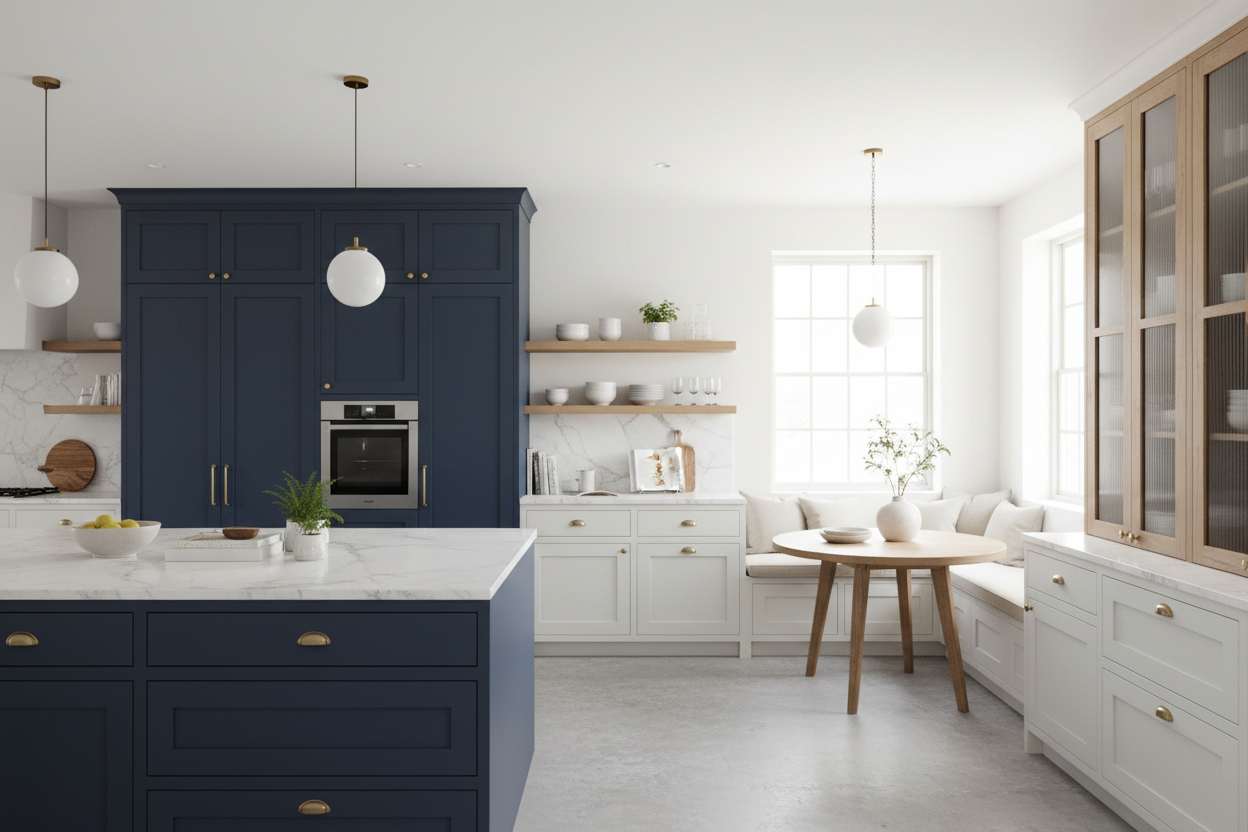
I've walked into hundreds of kitchens with homeowners who tell me the same thing: 'I want nice kitchen cabinets, but I don't know where to start.' You've probably seen photos online where the kitchen cabinets models look stunning, but you worry they'll feel mismatched in your actual space, or worse, look dated in a few years. Let's talk about what actually makes cabinets look good, beyond just the latest trend.
Quick Takeaways
- 'Nice' cabinets create harmony, not just a statement.
- New designs should solve a problem, not just follow a fad.
- Functionality—like soft-close hinges and proper drawer depth—directly impacts how 'finished' your kitchen feels.
- The right model ties your countertop, flooring, and layout together.
- Your lifestyle (cooking frequency, kids, pets) dictates which 'nice' cabinet is right for you.
The Foundation: Understanding What 'Nice' Really Means in Kitchen Cabinets
When you say you want 'nice' cabinets, you're usually describing a feeling. It's the kitchen that makes you pause when you walk in, not because it's loud, but because everything feels right. In my experience, this happens when the cabinet models contribute to overall harmony. A sleek, handle-less slab cabinet might look incredible in a minimalist condo, but feel cold and out of place in a cozy, traditional farmhouse.
'Nice' varies wildly. For one client, 'nice' was the warm, visible grain of quarter-sawn oak on Shaker-style doors. For another, it was the flawless, high-gloss lacquer finish on a contemporary flat-panel model. The common thread? The cabinets looked intentional and worked with the home's architecture. It's less about the specific style and more about thoughtful selection. This is where professional insight matters; I always consider scale, proportion, and the home's existing language first. If you're curious about the full checklist, I detail what designers actually consider before any installation happens.
New Kitchen Cabinet Designs: What's Actually Working Now
Let's talk about the new kitchen cabinet designs I'm specifying for clients right now. The key is finding models with staying power. Currently, reeded or fluted glass fronts are popular. They add texture and a slight vintage feel without being fussy. I used them in a recent project where the client wanted to display nice dishware but hide the less-organized shelves behind—it worked perfectly.
Another model gaining traction is the integrated cabinet, where appliances like refrigerators or coffee stations are hidden behind cabinet panels that match the rest of the run. This creates incredibly clean sight lines. For doors, Shaker styles remain a classic, but I'm seeing them executed in new ways: thinner rails and stiles, or painted in deep, moody colors like charcoal or navy. These updates keep the look fresh. The trend with real staying power? Warm wood tones. Light oaks and walnuts are coming back, offering a natural, organic counterpoint to stone countertops.
The Practical Side of Nice Cabinets for Kitchen
A cabinet can only look 'nice' if it works well. Nothing ruins the look of a beautiful kitchen faster than drawers that stick, doors that slam, or shelves that are too shallow for your plates. Functionality is aesthetics. I always specify full-extension, soft-close drawer slides—they feel premium and prevent contents from getting lost in the back.
For storage, think about what you own. Standard upper cabinets are often 12 inches deep, but deepening them to 13 or 14 inches can make a huge difference for storing dinner plates. For awkward corners, a corner pantry cabinet set with a lazy Susan or pull-out system is a space-efficient solution that keeps the area usable and tidy. Materials matter too. A painted cabinet door should have a hard, catalyzed lacquer finish for durability. For a busy family kitchen, I might recommend a slab door over a detailed one—fewer grooves means fewer places for grease and crumbs to accumulate. Sometimes, a freestanding piece like a storage cabinet with drawers can add both function and a furniture-like feel to the space.
Kitchen Cabinets Looks: Creating Cohesion in Your Space
The look of your kitchen cabinets doesn't exist in a vacuum. It's in conversation with everything else. I start by choosing the cabinet model and finish, then build the other elements around it. If you choose a busy, veined marble countertop, a simpler, flat-panel cabinet door often works better than an ornate, raised-panel one. It's about balance.
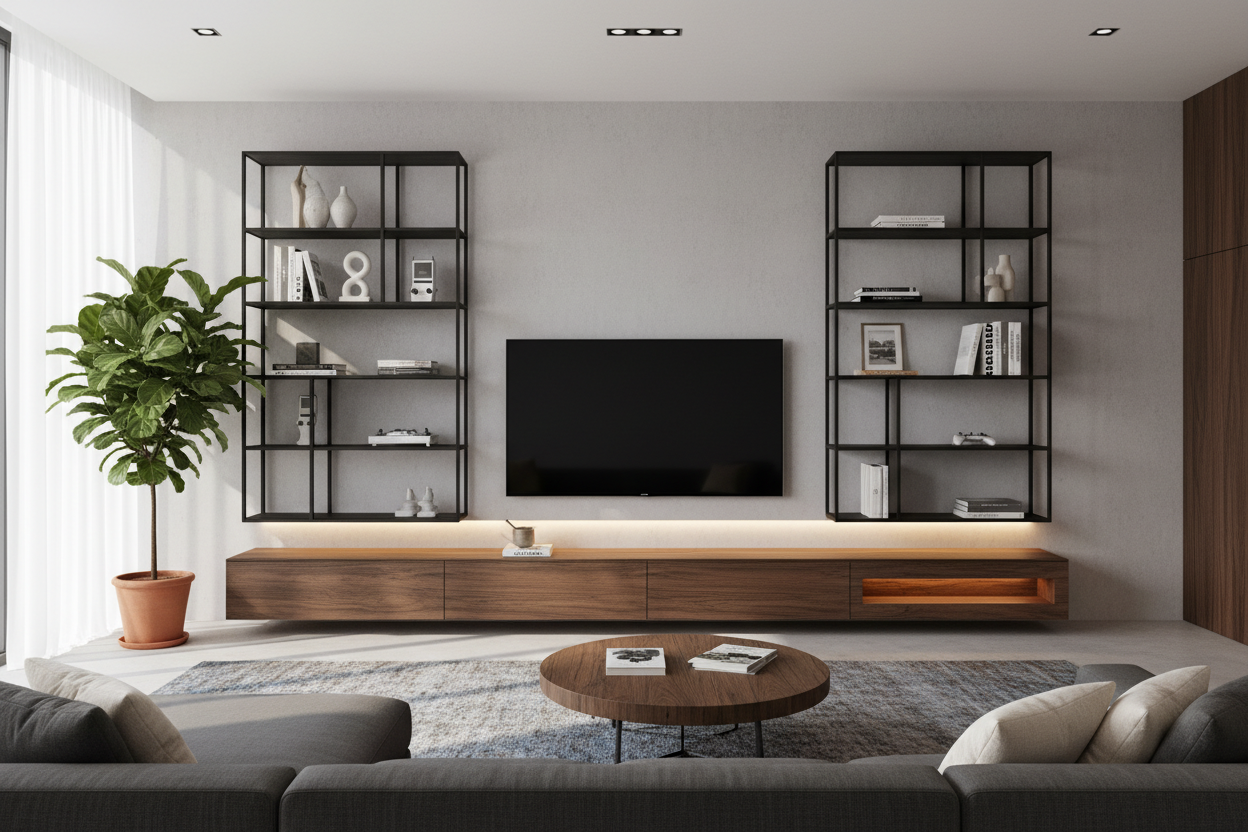
Color coordination is crucial. If your cabinets are a cool white, a backsplash with warm undertones can clash. I always get large samples and look at them together at different times of day. For visual flow, consider running the same cabinet model and color along an entire wall, even if it incorporates the refrigerator or a pantry. This creates a unified plane. In an open-concept home, I often extend the kitchen cabinetry language to a nearby built-in or media unit. And don't forget your centerpiece; your cabinets need to work with your kitchen islands collection choices, whether it's a contrasting color or a complementary material.
Making Your Choice: Models That Actually Work for You
Here's my simple framework. First, assess your lifestyle. Do you cook daily? You need durable, easy-to-clean models. Just reheating takeout? You can prioritize pure aesthetics more. Second, set a realistic budget. Nice cabinets come at all price points, but know that custom, full-overlay models with dovetail drawer boxes will cost more than stock, partial-overlay RTA (ready-to-assemble) ones. Both can look great if chosen wisely.
A common mistake is choosing a trendy color for the cabinet boxes themselves. If you love a bold color, apply it to an island or lower cabinets only—it's much easier and cheaper to change later. Finally, think long-term. Will this model still feel 'nice' to you in 10 years? Often, the best choice is a timeless door style in a neutral finish, with personality added through hardware and accessories. And when you're ready to shop, knowing finding quality cabinets is half the battle.
Personal Experience: When 'Nice' Went Wrong
Early in my career, I was so focused on the visual for a client's modern kitchen that I specified gorgeous, handle-less cabinets with a push-to-open mechanism. They looked incredible in the showroom. The problem? The client was a passionate home cook with perpetually greasy or floury hands. Within weeks, the pristine slab fronts were covered in smudges and required constant cleaning. The 'nice' look was completely undermined by a poor functional choice for the user. I learned that the hard way. Now, I always ask, 'How will you actually use this kitchen every day?' before finalizing any model.
Frequently Asked Questions
What's the most timeless kitchen cabinet model?
A simple, five-piece Shaker door in a white or wood stain. Its clean lines work in traditional, transitional, and even some modern settings. You can update the look over decades just by changing the hardware.
Are white cabinets still a good choice for looking nice?
Absolutely, but the undertone is critical. A bright, pure white can look sterile, while a white with a slight gray, cream, or greige undertone feels warmer and more sophisticated. Always test samples in your kitchen's lighting.
How much should I budget for nice-looking cabinets?
For a standard 10x10 kitchen, stock cabinets might run $4,000-$8,000, semi-custom $10,000-$20,000, and full custom $20,000+. 'Nice' is achievable at each level—it's more about thoughtful design and quality installation than the highest price tag.
Can I mix cabinet models in one kitchen?
Yes, but with a rule. I often use one model for perimeter cabinets (like a Shaker) and a different, complementary one for the island (like a flat-panel). They should share a common element, like the same wood species, paint color, or finish, to maintain cohesion.

Dejar un comentario
Este sitio está protegido por hCaptcha y se aplican la Política de privacidad de hCaptcha y los Términos del servicio.