










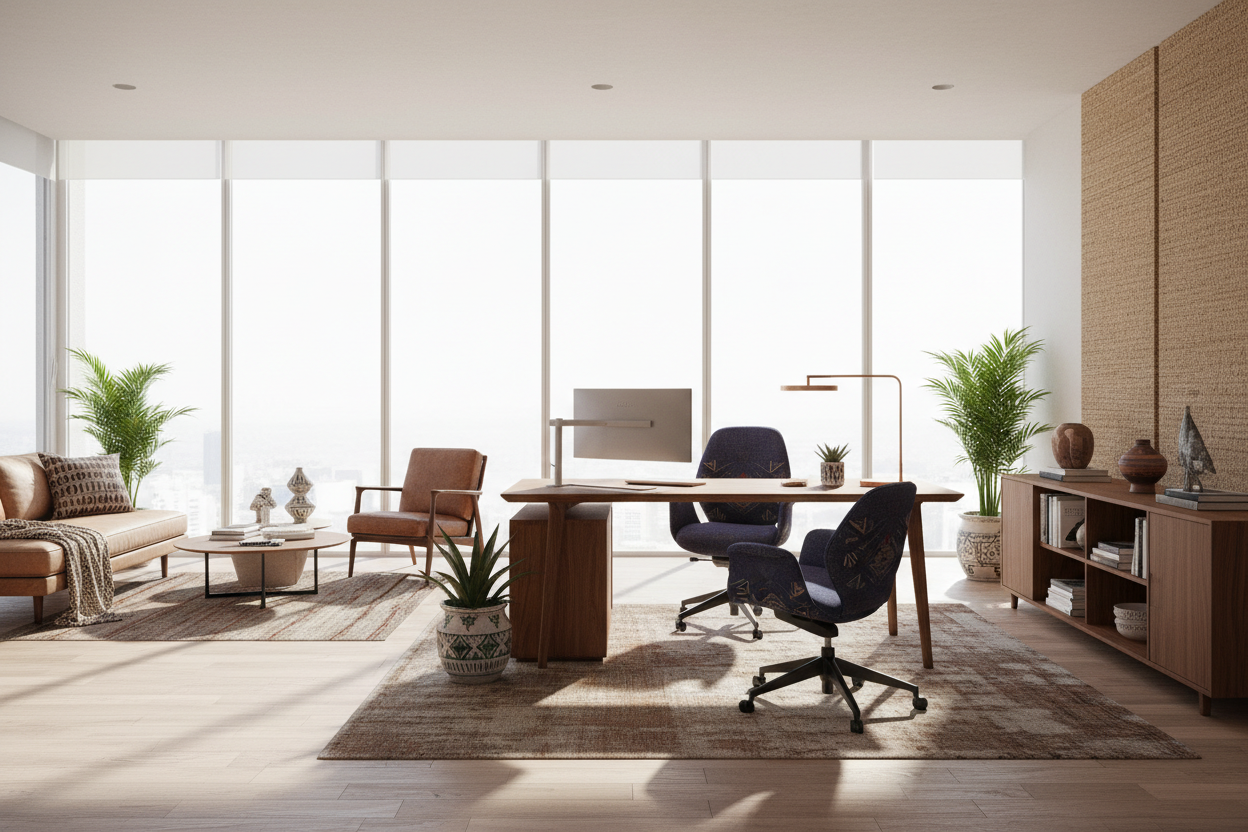
Designing a workspace that balances professional rigor with residential comfort is a nuanced challenge. Many homeowners find themselves trapped between generic, flimsy flat-pack desks and prohibitively expensive imports that lack character. The solution often lies in looking just south of the border. Whether you are furnishing a corporate headquarters or a high-end home study, sourcing office furniture mexico offers a unique intersection of artisanal craftsmanship, robust materials, and competitive pricing.
Key Features to Look For
- Material Authenticity: Prioritize native woods like Parota, Tzalam, or Mesquite for durability and visual warmth over generic laminates.
- Ergonomic Certification: Ensure chairs and adjustable desks meet BIFMA or equivalent international standards for long-term comfort.
- Joinery Quality: Look for dovetail or mortise-and-tenon joints in storage units, which signal longevity superior to staples and glue.
- Customization Capabilities: Mexican manufacturers often offer greater flexibility in sizing and finishes than mass-market US retailers.
Navigating Materiality: Beyond Standard Veneers
When curating a workspace, the tactile quality of your surfaces dictates the room's atmosphere. In the context of Mexican design, we have access to indigenous hardwoods that provide a gravitas you simply cannot replicate with engineered wood.
The Role of Indigenous Woods
I frequently advise clients to consider solid wood pieces crafted from Parota (Guanacaste) or Tzalam (Caribbean Walnut). These woods possess a distinct grain pattern and a natural resistance to humidity. However, visual weight is crucial here. Because these woods are dense and often dark, they should be balanced with lighter metal frames or glass elements to prevent the office from feeling cavernous or heavy.
Ergonomics Meets Hacienda Style
The most common pitfall I see is prioritizing the "hacienda" aesthetic—heavy carved legs and oversized proportions—over ergonomic integrity. A desk height of 30 inches is standard, but many artisanal rustic tables sit higher or lower, which wreaks havoc on your posture.
When selecting seating, look for manufacturers in Mexico’s industrial hubs (like Guadalajara or Monterrey) that partner with global ergonomic designers. You want the silhouette of a high-design piece but the mechanics of a performance chair. Look for synchro-tilt mechanisms hidden within upholstered bases to maintain a clean, sophisticated look without sacrificing lumbar support.
Spatial Flow and Layout
Mexican furniture design often leans towards generous proportions. Before purchasing a credenza or executive desk, map your circulation paths. You need a minimum of 36 to 48 inches of clearance behind your desk for chair movement. If sourcing a large-scale piece from Mexico, ensure your layout allows the furniture to breathe; crowding these visually rich pieces creates visual noise rather than a serene work environment.
My Personal Take on Office Furniture Mexico
I learned a hard lesson about specifications during a project for a client in San Miguel de Allende. We commissioned a stunning, custom live-edge Parota desk that was the centerpiece of the room. It was visually breathtaking. However, when we went to install the technical equipment, we realized the organic, irregular edge made it impossible to clamp on a standard articulating monitor arm or cable management spine.
We had to hire a local carpenter to route a channel underneath the solid slab to accommodate the hardware. It was a stressful fix that taught me a valuable lesson: Mexican craftsmanship brings incredible soul and texture to an office, but you must rigorously cross-check "old world" construction against modern tech requirements. Now, I always request technical drawings showing wire management paths before production begins.
Conclusion
Sourcing your workspace elements from Mexico allows you to break free from the sterile corporate mold. by blending industrial ergonomic standards with the warmth of regional craftsmanship, you create a space that feels curated and intentional. It is about investing in pieces that tell a story while supporting your daily workflow.
Frequently Asked Questions
How does the cost of office furniture from Mexico compare to US brands?
Generally, you can expect a 20-30% cost reduction for comparable quality, particularly with solid wood items. Labor and material costs are lower, though you must factor in shipping and potential import duties if you are purchasing across borders.
What is the lead time for custom Mexican office furniture?
While stock items can ship quickly, custom artisanal pieces typically require 8 to 12 weeks. This is often shorter than ordering custom furniture from Italy or Scandinavia, but patience is required for high-quality joinery and finishing.
Are there specific maintenance requirements for Mexican hardwoods?
Yes. Woods like Parota are often finished with natural oils rather than heavy lacquers to preserve their texture. This means you should use coasters religiously and re-oil the surface every 6 to 12 months to prevent drying or water rings.


Dejar un comentario
Este sitio está protegido por hCaptcha y se aplican la Política de privacidad de hCaptcha y los Términos del servicio.