










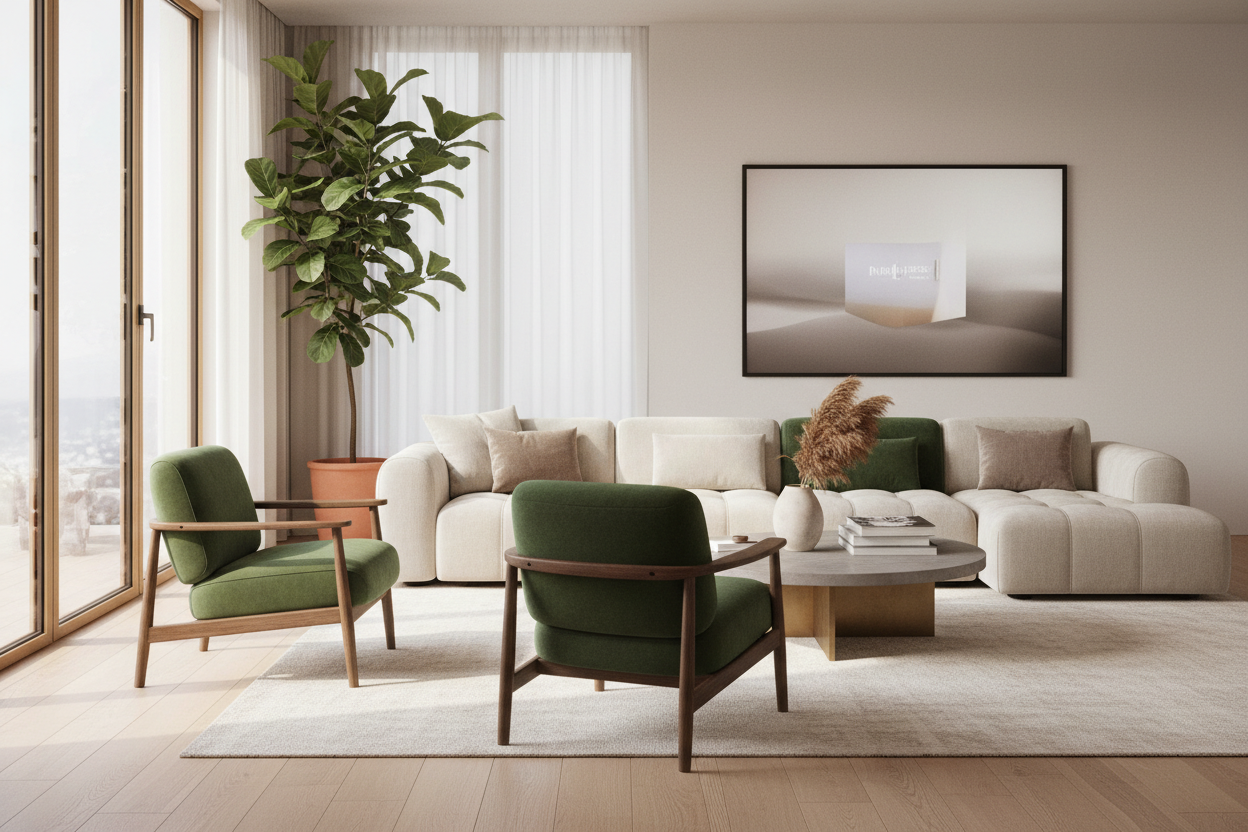
There is a specific moment in every interior design project where the focus shifts from the architectural shell to the tactile experience of living. This usually happens when selecting the primary seating. You might find yourself torn between a full-sized couch and a solitary armchair, looking for something that bridges the gap. This is where the sillon sofa enters the conversation. It is the anchor of a reading nook or the companion to a larger sectional, yet it is frequently the most misjudged purchase in a living room layout. Clients often prioritize the silhouette over the sit, resulting in a stunning sculptural piece that no one actually wants to use. Let’s correct that trajectory.
Key Features to Look For
Before swiping your card or signing a purchase order, assess these critical specifications to ensure your investment lasts.
- Frame Construction: Look for kiln-dried hardwood frames (maple or oak) rather than plywood or particleboard to prevent warping.
- Suspension System: Eight-way hand-tied springs are the gold standard for longevity, though sinuous springs are acceptable for slimmer profiles.
- Seat Depth: A standard depth is 21-24 inches. Anything deeper requires throw pillows for back support; anything shallower feels like a waiting room chair.
- Fabric Durability: Check the Martindale cycle rating. For daily use, aim for 25,000+ rubs.
- Cushion Fill: High-resiliency foam wrapped in down provides the best balance of structure and softness.
Defining the Silhouette and Scale
In design, scale is the silent killer of a good layout. A robust sillon sofa can easily overwhelm a compact room, while a delicate, mid-century inspired piece might look lost in a cavernous open-plan loft. When I walk a floor plan with a client, I focus on "visual weight" rather than just physical dimensions.
If your flooring is dark, opt for a piece with exposed legs to allow light to travel underneath, creating a sense of airiness. Conversely, if you are trying to ground a space with high ceilings, a skirted or block-base design adds necessary heaviness. Remember to leave at least 30 inches of walking clearance around the piece to maintain proper traffic flow.
Material Selection: Texture Meets Function
The upholstery you choose dictates the maintenance level of the furniture. While a white linen sillón sofa screams luxury and coastal elegance, it is a nightmare for households with pets or red wine enthusiasts.
Performance Fabrics vs. Natural Fibers
For high-traffic zones, I almost always recommend solution-dyed acrylics or performance velvets. Technology has come a long way; these fabrics now mimic the hand-feel of natural cotton or silk but can withstand aggressive cleaning. If you crave the patina of leather, opt for full-grain. Avoid bonded leather at all costs—it will peel within two years, destroying the aesthetic value of the piece.
The Ergonomics of Lounging
A beautiful chair is useless if it hurts your back. The pitch (the angle of the backrest) is crucial. A formal sitting room demands a more upright pitch, whereas a media room or lounge area benefits from a relaxed, reclined angle. Pay attention to the arm height as well. If you plan to read or use a tablet in this seat, the armrest should allow your shoulders to relax naturally, not push them up toward your ears.
Lessons from My Own Projects
I learned the hard way that "showroom comfortable" does not always translate to "living room comfortable." Years ago, I specified a stunning, deep-seated Italian sillon sofa for a client’s master bedroom. It was upholstered in a gorgeous, high-pile bouclé. Visually, it was a masterpiece.
However, I failed to account for the client’s height—she was 5'1". The seat depth was 26 inches. Every time she sat down, her legs dangled, and she couldn't reach the backrest without slouching awkwardly. Furthermore, that trendy bouclé fabric snagged on the zipper of her favorite jeans within the first month. We ended up having to reupholster the piece and add custom lumbar cushions to correct the depth. Now, I always make clients perform a "sit test" without their shoes on, and I bring a denim swatch to rub against fabric samples to test for friction and snagging.
Conclusion
Integrating a sillon sofa into your home is about balancing architectural presence with human ergonomics. It should be the seat you gravitate toward at the end of a long day—a sanctuary within your own home. Prioritize the frame and the fill, and the style will naturally follow.
Frequently Asked Questions
What is the difference between a standard armchair and a sillon sofa?
A sillon sofa typically implies a wider, deeper seat—often referred to as a "chair-and-a-half"—designed for maximum lounging comfort, whereas a standard armchair may be narrower and more upright.
How do I clean a velvet sillón sofa?
Weekly vacuuming with a soft brush attachment is essential to prevent dust from matting the pile. For spills, blot (never rub) immediately with a clean, dry cloth. If it is a performance velvet, water-based cleaners are usually safe, but always check the manufacturer's code.
Can I mix a leather sillon with a fabric couch?
Absolutely. In fact, mixing materials creates a more curated, high-end look. A cognac leather chair pairs beautifully with a navy or charcoal fabric sofa, adding warmth and texture to the room.



Dejar un comentario
Este sitio está protegido por hCaptcha y se aplican la Política de privacidad de hCaptcha y los Términos del servicio.