










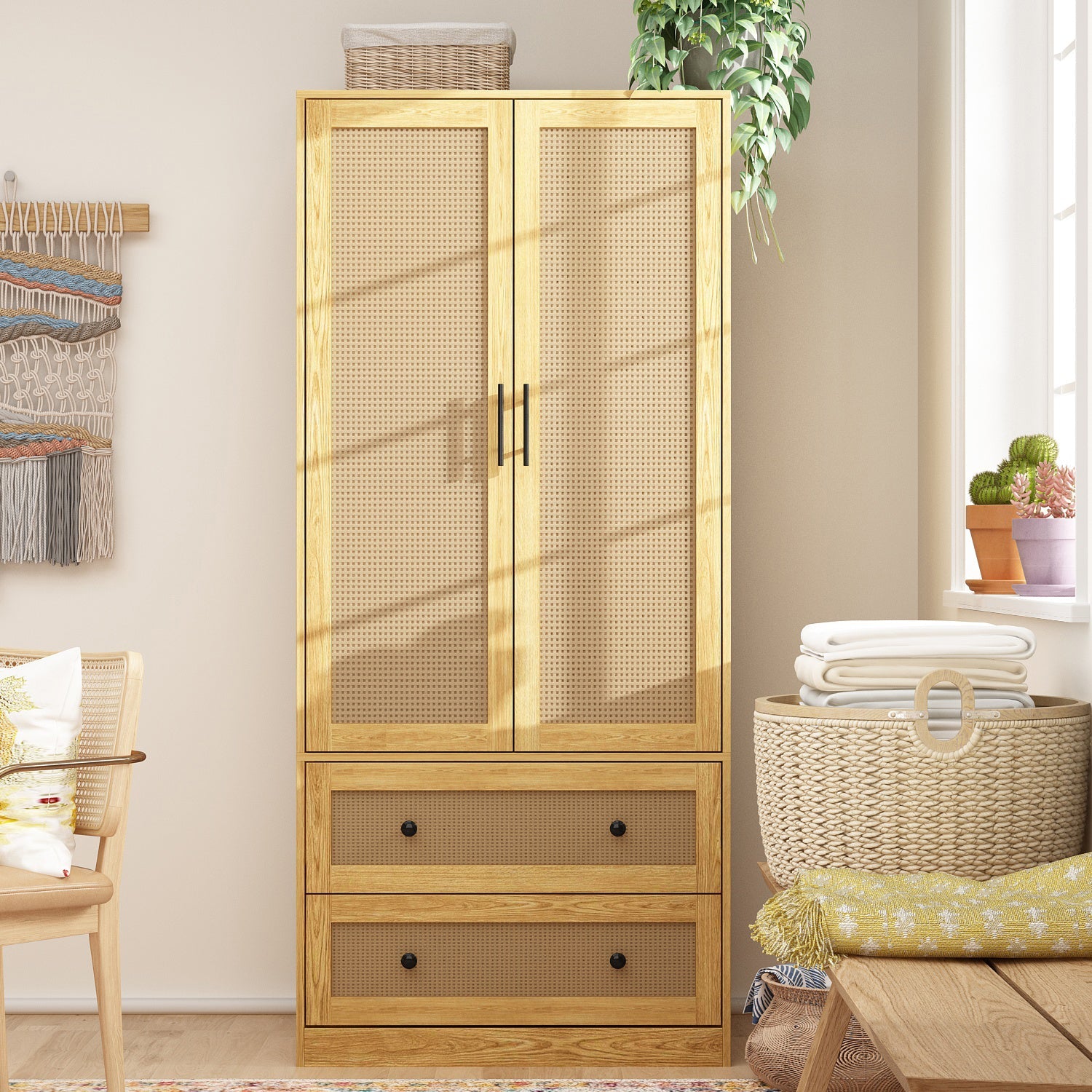
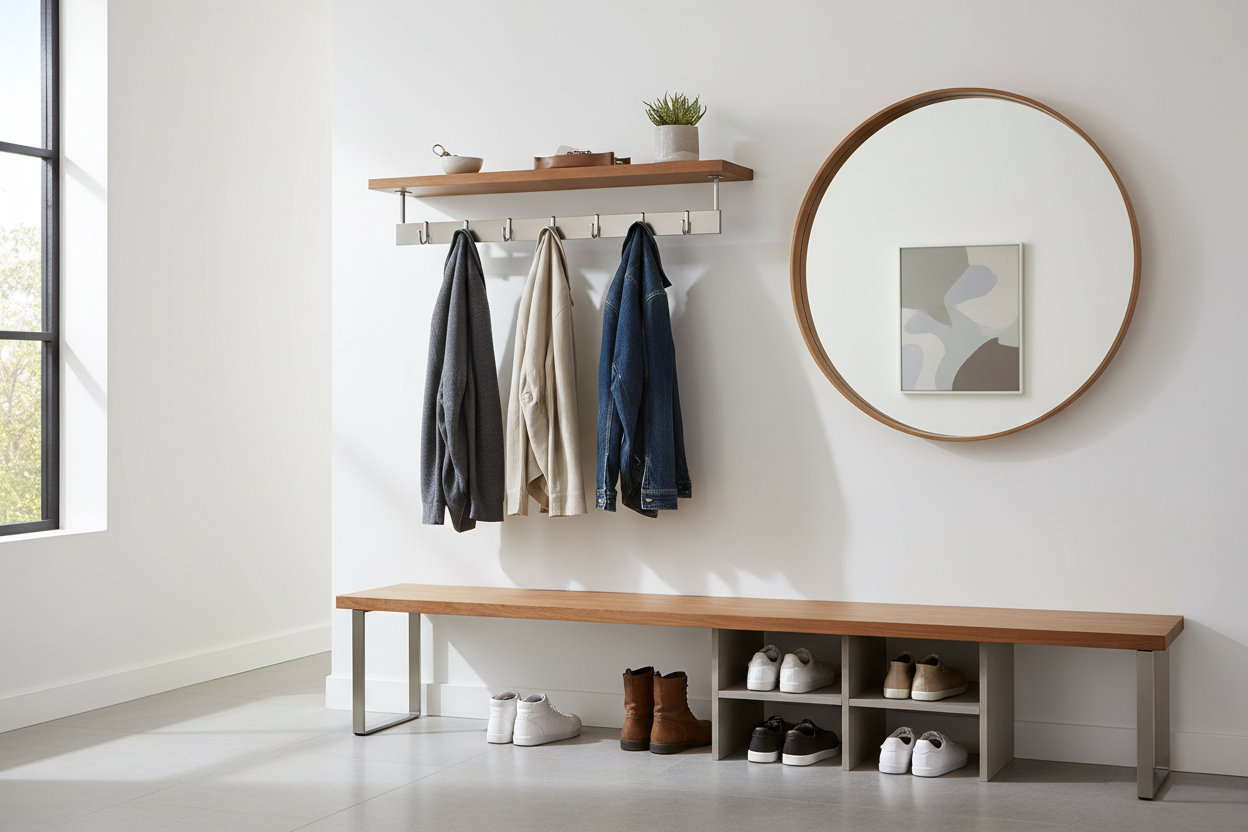
The foyer is the handshake of your home; it sets the expectations for the rest of the interior narrative. Yet, it is often the most neglected zone, falling victim to the chaos of the daily "drop zone." Piles of shoes, scattered mail, and coats draped over banisters disrupt the visual flow immediately upon entry. The solution is not merely buying a piece of furniture; it is curating a dedicated entryway organizer that balances architectural scale with daily utility. Before you purchase the first hall tree you see, let’s analyze how to select a piece that serves both your lifestyle and your design aesthetic.
Key Features to Look For
- Scale and Proportions: Ensure the depth does not encroach on the traffic flow (maintain at least 36 inches of clearance).
- Material Durability: Look for hardwoods or powder-coated metals that can withstand moisture from wet coats and umbrellas.
- Configuration: Determine if you need concealed storage (cabinets) to hide clutter or open shelving (hooks/racks) for quick access.
- Versatility: A modular doorway organizer allows for adjustments as seasons (and coat bulk) change.
Analyzing Space Planning and Layout
In my design practice, the most common error I see is ignoring the "swing" and the "flow." A storage for front door solution must respect the architecture of the room. If you have a narrow corridor, a bulky unit will make the space feel claustrophobic. Instead, look for a vertical front door rack with a slim profile—ideally under 12 inches in depth.
For expansive foyers, you have the luxury of visual weight. Here, a substantial piece with a bench and an entryway organizer shelf creates a focal point, grounding the space. Always measure your baseboards; if the unit needs to sit flush against the wall, check if the legs are inset or if you need a wall-mounted floating unit.
Material Selection: Durability Meets Style
The entryway is a high-traffic, high-impact zone. The materials you choose for your front door organizers must be resilient.
Solid Wood vs. Veneer
While veneers offer a sleek, consistent finish, they are susceptible to peeling if exposed to constant moisture from rain-soaked jackets. For a long-term investment, solid wood (oak, walnut, or maple) allows you to sand down inevitable scuffs. If you prefer a modern industrial look, a metal entry door organizer is excellent for durability, but ensure it has a high-quality finish to prevent rust.
Textural Contrast
Don't let the utility strip the warmth from the room. If your floors are tile or stone, opt for a wood organizer for entryway setups to introduce organic warmth. Conversely, if you have hardwood floors, a painted finish or metal frame can provide necessary contrast, preventing the furniture from getting "lost" against the floor.
The Art of Concealment vs. Display
There is a distinct difference between storage and styling. An entryway organizer box or basket is essential for the "ugly" items—keys, sunglasses, and dog leashes. I often recommend a hybrid approach: open hooks for the coats you wear daily, and closed cabinetry or baskets for off-season items. This keeps the front entry organizer looking curated rather than chaotic. Visual clutter creates mental stress; ensuring every item has a dedicated "home" within the unit maintains a luxury aesthetic.
Lessons from My Own Projects
I learned a hard lesson about entryway organizers early in my career during a renovation for a client with a pre-war apartment in the city. We selected a stunning, vintage-inspired hall tree that looked incredible on the floor plan. However, I hadn't accounted for the visual "heaviness" of the piece in a hallway with poor lighting.
Once installed, it absorbed all the light, making the entry feel like a cave. Furthermore, the bench seat was 18 inches deep. While comfortable, it meant that every time someone walked by with groceries, they clipped their hip on the corner. We ended up swapping it for a wall-mounted system with floating drawers. It cleared the floor space, allowed light to travel under the unit, and saved my client’s hips. The takeaway? Footprint isn't just about fitting; it's about how the volume of the furniture feels in the 3D space.
Conclusion
Selecting the right storage front door solution is about marrying ergonomics with elegance. It requires looking past the immediate need for a hook and considering the longevity of materials and the flow of your home. A well-chosen organizer doesn't just hold your coat; it welcomes you home with order and grace.
Frequently Asked Questions
How do I organize a very small entryway with no floor space?
If floor space is non-existent, verticality is your best friend. Utilize a wall-mounted entryway organizer shelf with hooks underneath. Combine this with a slim, wall-mounted shoe cabinet (often only 6-8 inches deep) to keep footwear off the floor without blocking the door swing.
What is the ideal height for mounting an entryway shelf?
For ergonomics and visual balance, a shelf or rack generally sits best at about 60 to 65 inches from the floor. This places items within reach for most adults while keeping coats high enough so they don't drag on the floor or clutter the visual line of the baseboards.
How do I prevent my entryway organizer from looking messy?
The secret is limited capacity. Do not treat entryway organizers as a permanent closet. Limit the hooks to the coats currently in rotation (1-2 per person). Use uniform baskets or an entryway organizer box to hide loose items, ensuring the silhouette of the furniture remains clean.

Dejar un comentario
Este sitio está protegido por hCaptcha y se aplican la Política de privacidad de hCaptcha y los Términos del servicio.