










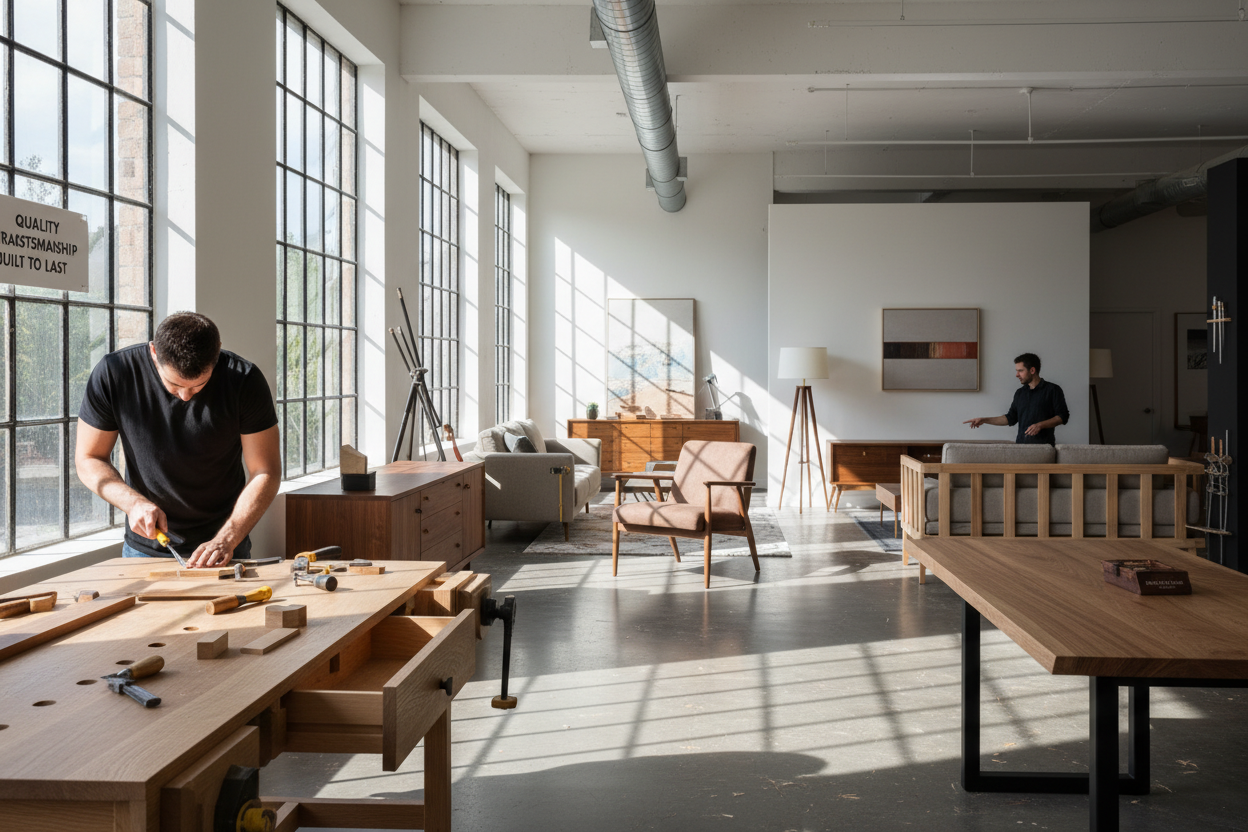
There is a distinct heartbreak known only to homeowners who fall in love with a sofa’s silhouette in a showroom, only to watch the seams unravel or the frame creak within six months of delivery. In my fifteen years designing interiors, I have seen clients prioritize color trends over construction time and again. True luxury is not defined merely by a brand name; it is defined by the integrity of the furniture work beneath the surface. Understanding the craftsmanship—the literal work put into the furniture—is the only way to curate a home that ages with grace rather than degrading into disrepair.
Key Indicators of Superior Craftsmanship
Before committing to an investment piece, scan for these non-negotiable structural elements. This checklist separates heirloom quality from fast furniture.
- Joinery Techniques: Look for dovetail or mortise-and-tenon joints rather than staples and heavy glue usage.
- Frame Materials: Prioritize kiln-dried hardwood (like oak or maple) over plywood or particleboard to prevent warping.
- Pattern Matching: High-quality upholstery will have patterns that align perfectly across seams and cushions.
- Hardware Quality: Drawer glides and hinges should offer resistance and close softly, without lateral wobbling.
- Suspension Systems: For seating, 8-way hand-tied springs offer superior longevity compared to simple webbing.
Analyzing the Anatomy: Beyond the Surface
When we discuss high-end interiors, we are really discussing the marriage of engineering and art. To make a wise decision, you must look past the initial aesthetic appeal and examine the structural logic.
The Integrity of Case Goods
With case goods—dressers, cabinets, and tables—the finish tells the story. Excellent furniture work involves a multi-step finishing process that creates depth, not just a flat coat of paint. Run your hand along the underside of a table or the back of a drawer. In budget production, these areas are often left rough or unfinished. In quality design, the tactile experience is consistent throughout. Furthermore, check for veneers. There is a misconception that veneer is cheap; however, high-quality thick veneer over stable substrates can actually be more durable than solid wood in fluctuating humidity. The key is the thickness and the adhesion method used.
Upholstery and Ergonomics
Seeing furniture at work in a daily living scenario means understanding ergonomics. A chair might look sculptural, but does the pitch of the back support the lumbar region? High-resiliency foam wrapped in down is the industry standard for a reason—it provides the initial plush comfort of feathers with the rebound support of foam. If you press down on a cushion and it struggles to return to its shape, the density is too low, and it will look frumpy within weeks.
Space Planning and Visual Weight
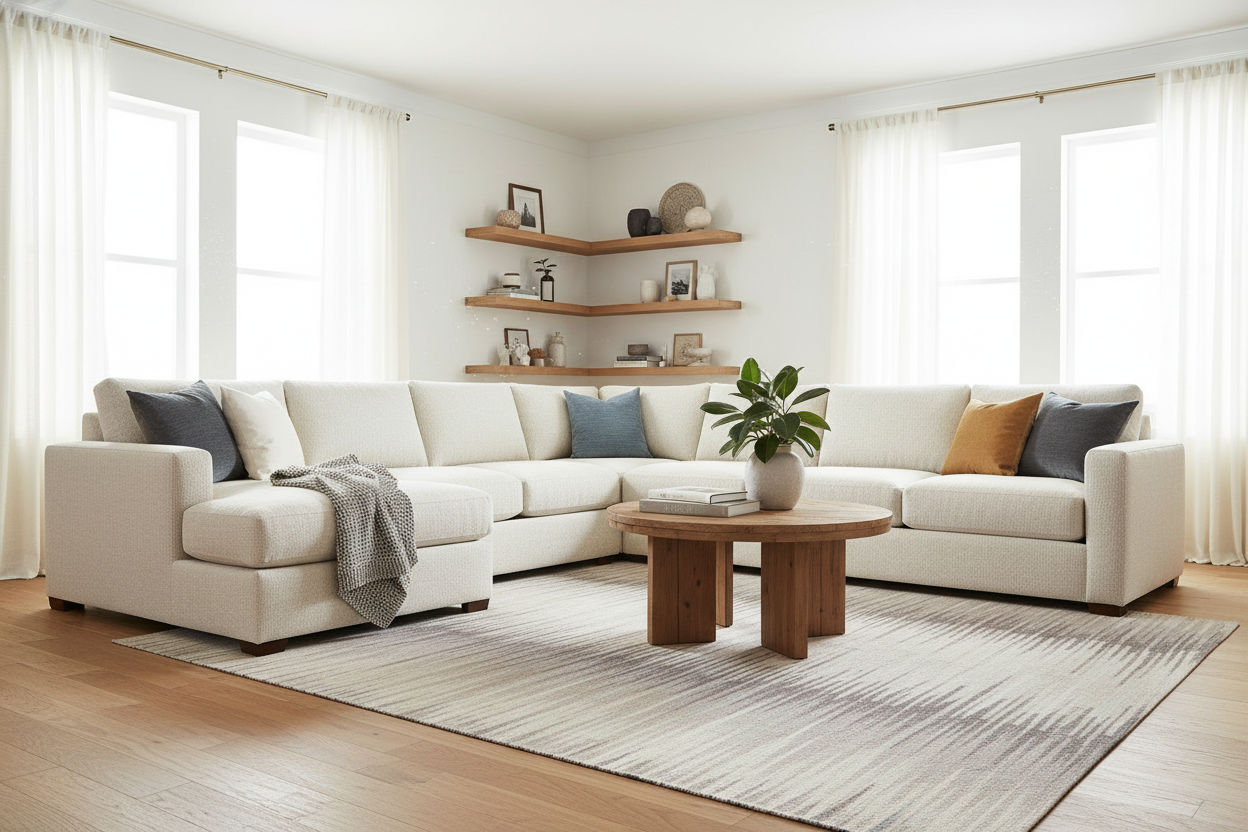
Even the finest craftsmanship fails if the scale is incorrect. In design, we talk about "visual weight." A dark, velvet sectional with a skirted base has immense visual weight and demands a large room with high ceilings to breathe. Conversely, a mid-century modern piece with tapered legs and an open base allows light to pass through, making it ideal for compact urban apartments. When selecting pieces, consider how the item interacts with the negative space around it.
My Personal Take on Furniture Work
I learned the hard way early in my career that "heavy" doesn't always mean "quality," but "light" almost always means "cheap."
I once commissioned a custom dining table for a client who insisted on a specific reclaimed wood look but wanted to cut costs on the base. We went with a budget fabricator for the steel legs. Visually, it was stunning. However, the first time they hosted a dinner party, the table had a subtle, rhythmic wobble every time someone cut a steak. It was humiliating. The issue wasn't the wood; it was the welding work—the invisible labor.
Since then, I perform what I call the "lateral stress test" on everything. I lean my full body weight against the side of a console or armrest. If there is any flex or noise, I walk away. I also check the underside of dining chairs. I specifically look for corner blocks—little triangles of wood screwed into the corners of the frame. If those are missing or just glued in, that chair won't survive five years of family dinners. It’s these unpolished, hidden details that determine if a piece is an asset or a liability.
Conclusion
Your home should be a collection of pieces that serve you, not items you have to handle with fragility. By demanding better furniture work, you invest in comfort, sustainability, and a design aesthetic that endures. Look for the joints, test the weight, and trust your tactile senses.
Frequently Asked Questions
How can I tell if a wood finish is high quality?
A quality finish should feel satiny and smooth, with no bubbles or rough patches. It should also have depth—meaning you can see into the grain rather than just seeing a cloudy layer on top. Water rings should not form immediately upon contact.
Is custom furniture work worth the extra cost?
Generally, yes. Custom work allows you to dictate the dimensions to the inch, ensuring a perfect fit for awkward alcoves or specific ergonomic needs. You are also paying for superior materials that mass manufacturers often value-engineer out of the product.
What is the difference between bonded leather and real leather?
Bonded leather is essentially the "particleboard" of leathers—scraps ground up and glued together with polyurethane. It will peel and crack over time. Genuine top-grain or full-grain leather is a solid hide that will patina and soften with age, representing true quality furniture work.

Dejar un comentario
Este sitio está protegido por hCaptcha y se aplican la Política de privacidad de hCaptcha y los Términos del servicio.