










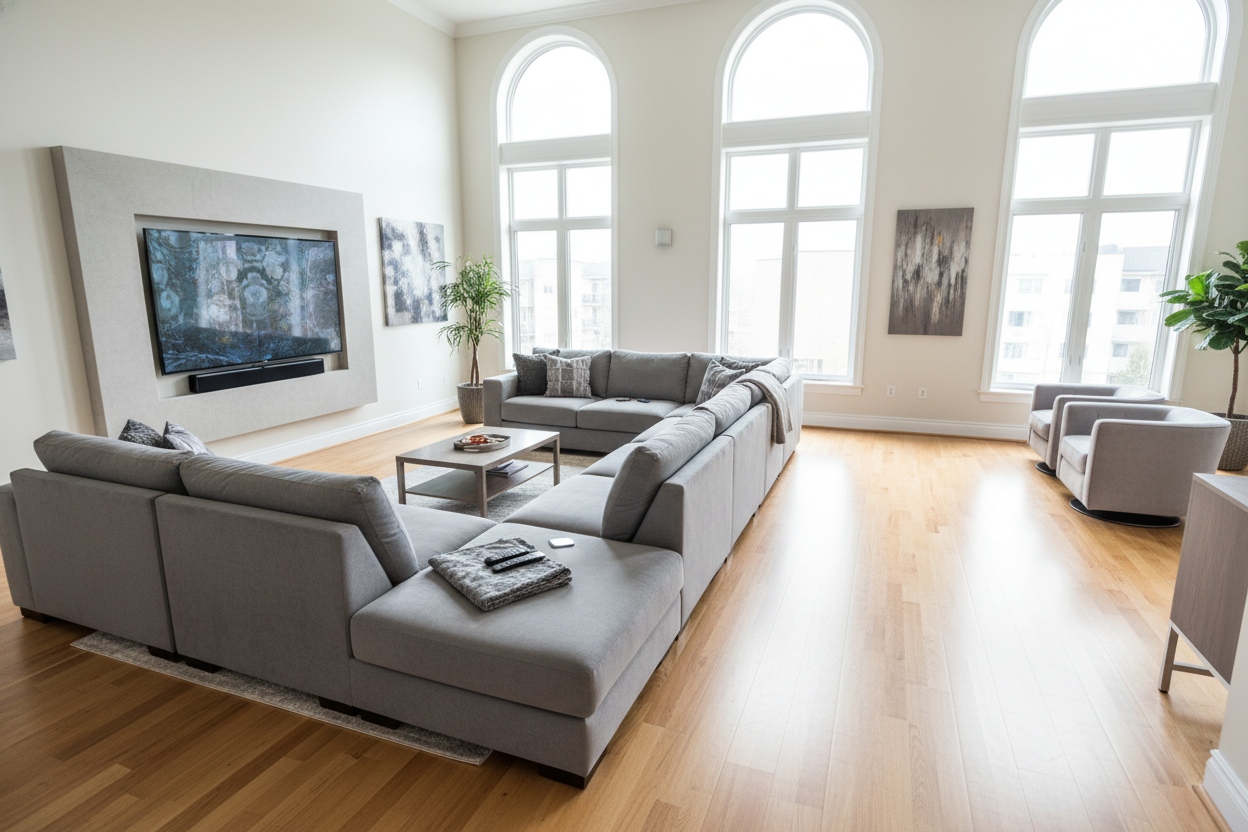
Clients often come to me torn between two distinct desires: the sleek, architectural lines of a contemporary showroom piece and the undeniable, sink-in comfort of a recliner. For years, you had to choose one or the other. Fortunately, the modern motion sectional sofa has evolved significantly. It no longer requires sacrificing aesthetic integrity for ergonomics. However, integrating these substantial pieces into a living space requires a nuanced approach to ensure the room feels curated, not cluttered.
Quick Decision Guide: Key Features to Look For
If you are rushing to make a purchase, review this checklist to ensure you are buying a piece that offers longevity and proper fit:
- Wall Clearance: Check if the unit is a "wall-hugger" (needs 2-4 inches) or a standard recline (needs 8+ inches).
- Power Source: Determine if you have floor outlets for a floating layout or if you need a battery pack upgrade to avoid unsightly cords.
- Suspension System: Look for sinuous spring construction or kiln-dried hardwood frames for durability against the mechanism's weight.
- Upholstery Durability: For motion furniture, flexibility is key. Top-grain leather or high-performance fabrics prevent cracking or stretching at moving seams.
Mastering Space Planning and Layout
The most frequent error homeowners make with motion furniture is miscalculating the "active footprint." A static sofa has a fixed depth, but a motion sectional is dynamic. When fully extended, the footrest changes the traffic flow of the entire room.
The "Floating" Dilemma
If you plan to float the sectional in the center of an open-concept room, visual weight becomes critical. Motion sectionals are inherently bulky due to the internal metal mechanisms. To counter this heaviness, look for models with a "high leg" design—where the mechanism is hidden within the frame, allowing you to see the floor beneath. This negative space makes the room feel larger and less dominated by the furniture.
Choosing the Right Material for Movement
Upholstery on a motion frame works harder than on a stationary piece. Every time you recline, the fabric stretches, rubs, and compresses.
Leather vs. Fabric
In my experience, top-grain leather is the gold standard for motion pieces because it moves with the mechanism without losing shape. Avoid bonded leather; the friction from the reclining motion will cause it to peel within a few years. If you prefer fabric, opt for a tightly woven performance blend. Loose weaves can snag on the mechanism or "puddle" unsightly after the footrest is retracted.
Ergonomics and Mechanism Quality
Not all motors are created equal. When testing a piece, listen to the motor. It should be a quiet hum, not a straining grind. Furthermore, look for distinct zones of control. High-end motion sectionals now offer independent control of the headrest and lumbar support, separate from the footrest. This allows you to maintain a proper viewing angle for the television while fully reclined, preventing the neck strain common with older manual recliners.
Lessons from My Own Projects
I want to share a specific hurdle I encountered during a project in a high-rise apartment that rarely gets mentioned in brochures. We selected a stunning, Italian-leather motion sectional to "float" in the middle of the living room, facing a panoramic window. It looked perfect on the floor plan.
However, once installed, we realized the "cord chaos." Because the sofa wasn't against a wall, the power cables for the motors trailed across the rug like tripwires. We hadn't budgeted for installing a floor outlet in the concrete slab. We ended up having to purchase aftermarket lithium-ion battery packs that hide underneath the chassis. It saved the look, but it requires recharging every few weeks. Now, I always advise clients: if you float a motion sofa, either ensure you have floor outlets or budget immediately for the battery packs. Also, be aware that the gap between modules can sometimes widen slightly on deep pile rugs—using sectional connectors is non-negotiable.
Conclusion
Investing in a motion sectional is about reclaiming your downtime without compromising on sophisticated design. By paying attention to the mechanical clearance, material flexibility, and power requirements, you can secure a piece that serves as the comfortable anchor of your home for years to come.
Frequently Asked Questions
How much space do I need behind a motion sectional?
This depends on the mechanism. "Zero-wall" or "wall-hugger" designs track forward as they recline, requiring only 2 to 4 inches of clearance. Standard mechanisms may require 8 to 12 inches, which can significantly impact your room's layout.
Can I put a rug under a motion sectional?
Absolutely, and you should to anchor the space. However, ensure the rug extends fully under the front legs. Be careful with very thick shag rugs, as they can sometimes interfere with the smooth operation of the footrest deployment near the floor.
How long do the motors usually last?
In a high-quality piece, the motor mechanism should last 10 to 15 years. Most reputable manufacturers offer a warranty of at least 3 to 5 years on the electrical components and mechanisms, which is distinct from the fabric warranty.


Dejar un comentario
Este sitio está protegido por hCaptcha y se aplican la Política de privacidad de hCaptcha y los Términos del servicio.