










One of the most frequent dilemmas I encounter with clients isn't a lack of space, but a lack of spatial strategy. We often assume that a compact room requires miniature furniture, but that approach usually leads to a cluttered, dollhouse effect rather than a sophisticated workspace. Achieving the best design for small office functionality is less about reducing the size of your desk and more about manipulating visual weight and vertical potential.
Key Principles for Compact Workspaces
- Visual Permeability: prioritize materials like glass, acrylic, or thin metal frames that allow light to pass through, reducing the room's visual density.
- Vertical Storage Integration: Move storage off the floor. Wall-mounted shelving units draw the eye upward, creating an illusion of height.
- Ergonomic Scale: Ensure the chair and desk depth allow for a 36-inch clearance for movement, preventing the space from feeling claustrophobic.
- Multi-functional Joinery: Look for desks with built-in cable management and hidden drawers to maintain a clean silhouette.
Mastering Visual Weight and Scale
In interior design, "visual weight" refers to how heavy an object looks, not how much it weighs. When curating the best small office design, I always advise clients to steer clear of blocky, solid-to-the-floor furniture. Instead, opt for pieces with exposed legs or cantilevered designs. A desk with slender mid-century modern legs reveals more floor space, tricking the brain into perceiving the room as larger than it is.
Material Selection: Solidity vs. Airiness
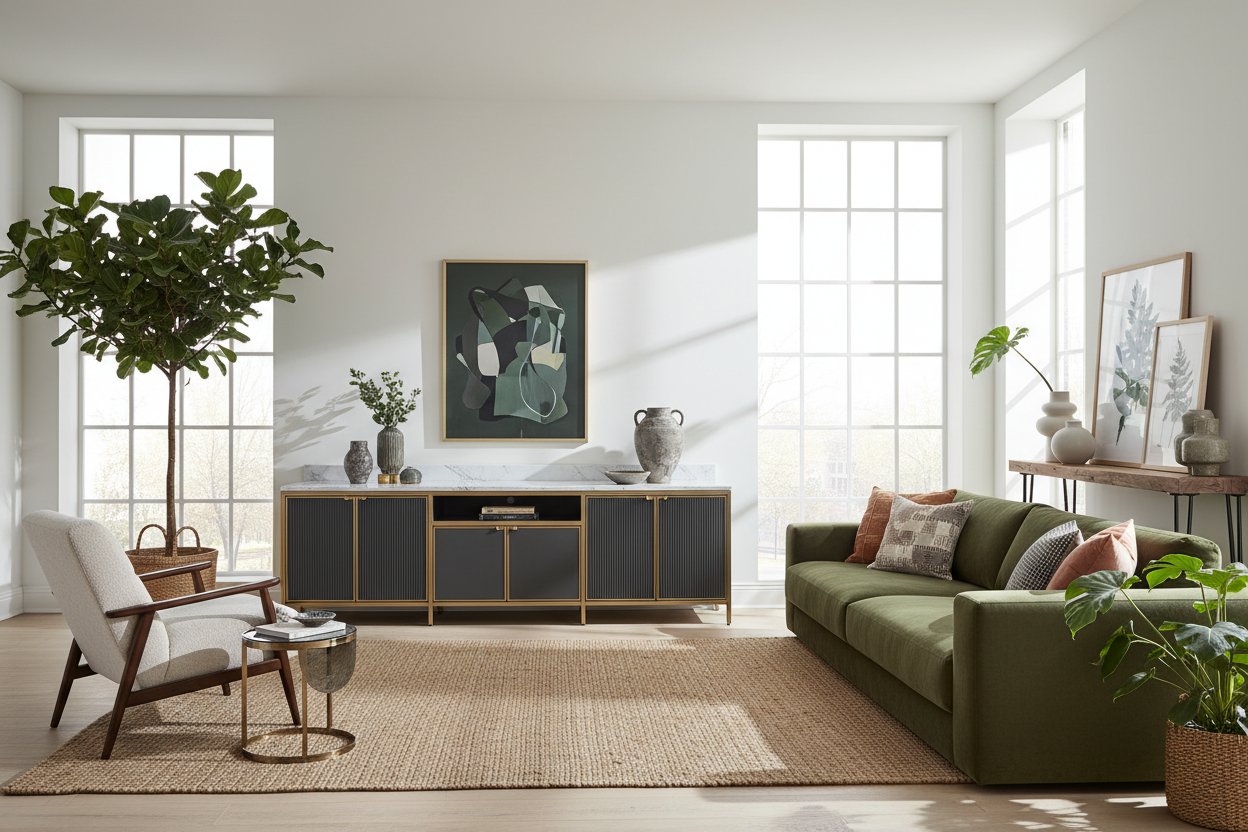
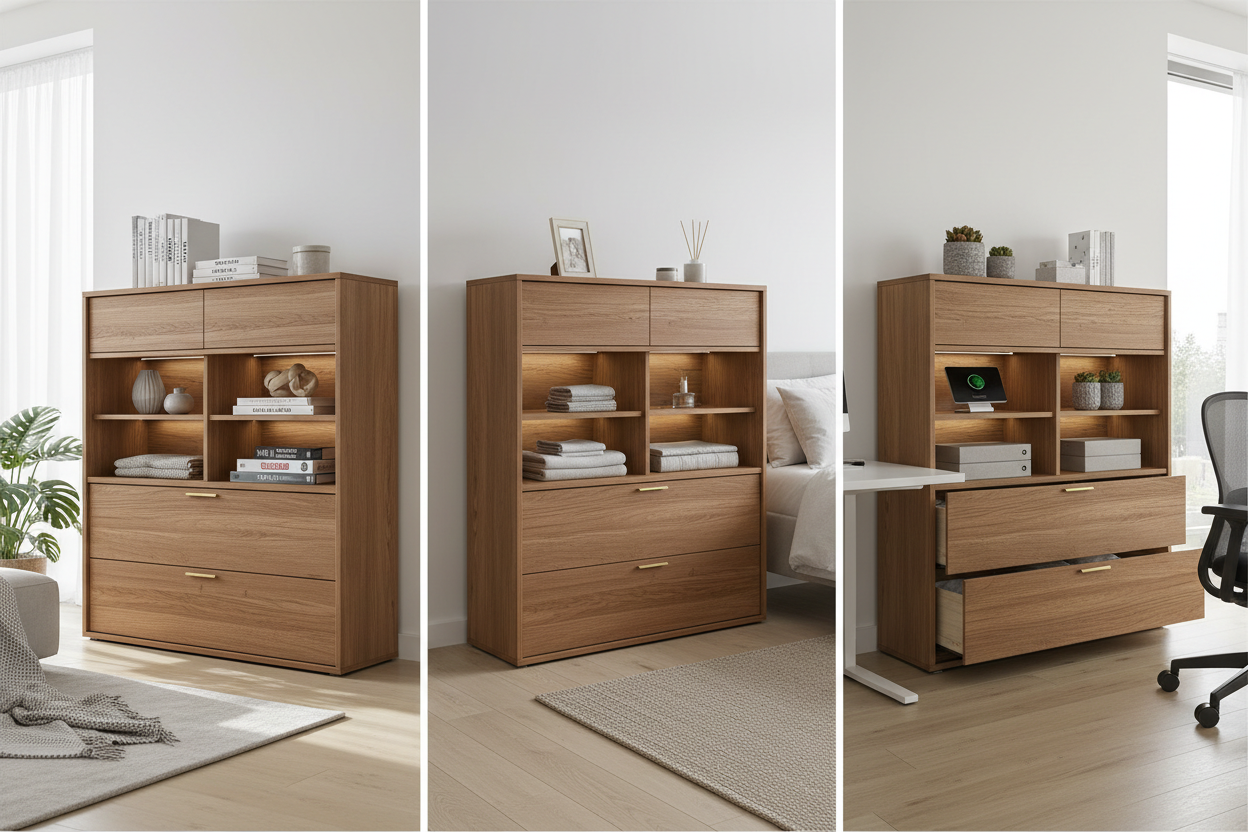
The interplay of materials is critical. While a solid mahogany desk commands authority, it absorbs light and shrinks a small room. For tighter quarters, consider a light oak veneer or a high-pressure laminate in a matte finish. These materials reflect ambient light, keeping the atmosphere airy. If you crave texture, introduce it through a tactile rug or a boucle office chair rather than heavy case goods.
Strategic Layout and Lighting
The layout must prioritize the "command position"—facing the door but not directly in line with it. However, in small offices, we often have to compromise. If you must face a wall, install a mirror or artwork above the desk to create depth. Lighting is equally vital; overhead lighting casts shadows that make spaces feel smaller. Layer your lighting with a focused architectural task lamp and warm LED strip lighting under shelves to eliminate dark corners.
Lessons from My Own Projects
I want to share a specific mistake I made early in my career that completely changed how I approach small offices. I was designing a 10x10 study and insisted on a custom, dark walnut built-in unit. On paper, it fit perfectly. In reality, once installed, the dark wood sucked every lumen of light out of the room. It felt like working in a cave.
The unpolished truth about that project? We had to rip out the cabinet doors and replace them with cane webbing just to let the piece "breathe." Additionally, I learned a hard lesson about matte black finishes in small spaces—fingerprint oils show up instantly when you're sitting that close to the furniture. Now, I always steer clients toward textured laminates or wood grains for high-touch surfaces in small rooms; they hide the daily wear much better than flat, solid colors.
Conclusion
Curating a small office doesn't mean compromising on luxury or comfort. By focusing on verticality, managing visual weight, and selecting materials that amplify light, you can create a sanctuary that fosters deep work. Remember, the goal is a space that serves your mind, not just your laptop.
Frequently Asked Questions
Can I use dark colors in a small office design?
Yes, but with intention. Dark colors can blur the boundaries of a room, creating a "jewel box" effect. However, if you go dark on the walls, ensure your furniture provides a high contrast (light woods or metallics) to prevent the space from feeling oppressive.
What is the ideal desk depth for a small office?
For a laptop setup, a depth of 24 inches is sufficient. If you use multiple monitors, aim for 30 inches to maintain proper focal distance. Anything deeper than 30 inches in a small room will likely impede your traffic flow.
Should I use a rug in a small office?
Absolutely. A rug anchors the furniture and improves acoustics, which is vital for video calls. Choose a low-pile rug that allows your chair casters to roll smoothly, and ensure it is large enough that the chair doesn't catch on the edge when you push back.

Dejar un comentario
Este sitio está protegido por hCaptcha y se aplican la Política de privacidad de hCaptcha y los Términos del servicio.