










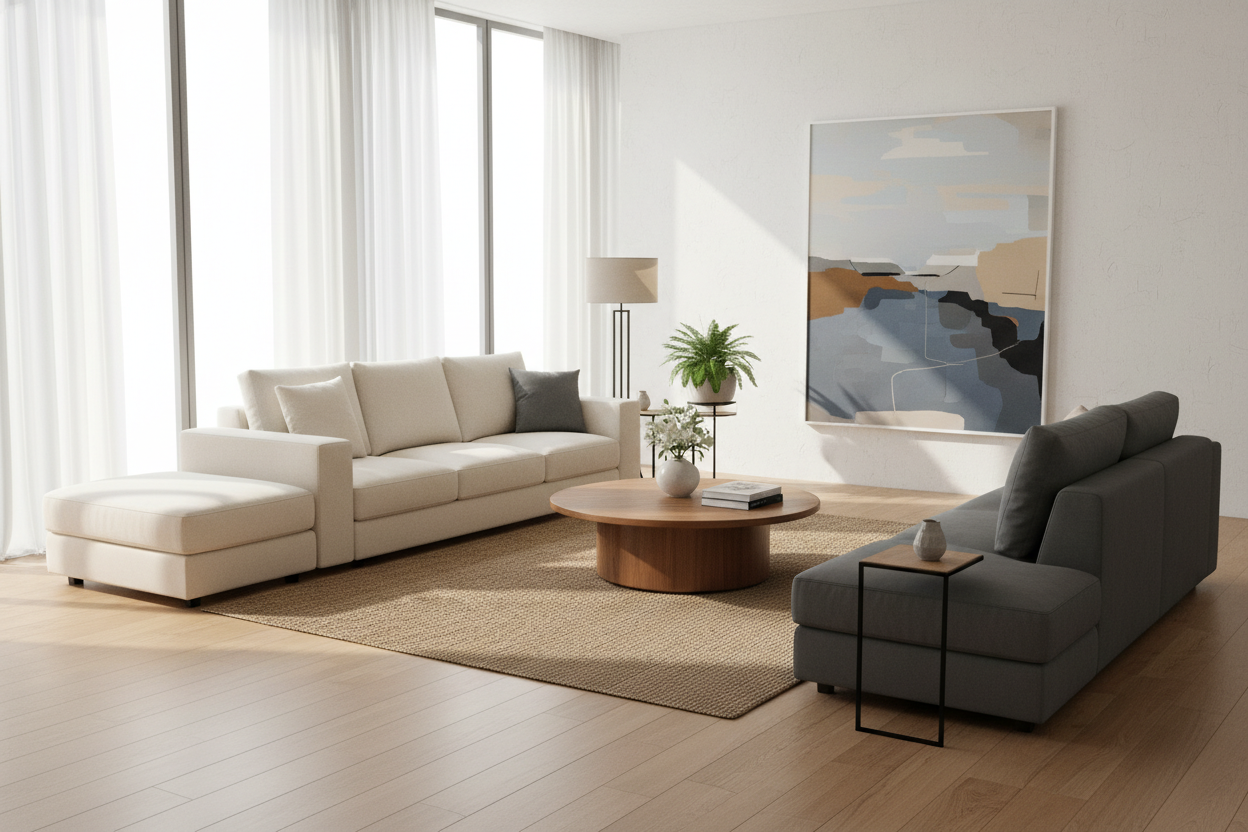
If you've ever walked into a room and immediately felt relaxed and welcomed, or conversely, uncomfortable and eager to leave, you've experienced the effects of chi. This invisible yet powerful force is the foundation of feng shui practice, influencing everything from your mood and energy levels to your health and success. Understanding chi and how it moves through your space is the first step toward creating a home that truly supports your well-being.
Defining Chi: The Life Force Energy
Chi, also spelled "qi," is an ancient Chinese concept that translates roughly to "life force," "vital energy," or "breath of life." In feng shui philosophy, chi is the invisible energy that flows through all living things and spaces, animating and connecting everything in the universe. Think of it as the vitality that makes a space feel alive, vibrant, and nourishing rather than dull, stagnant, or draining.
This concept isn't unique to Chinese culture. Similar ideas appear across many traditions—prana in Indian yoga philosophy, mana in Polynesian culture, and even the Western concept of "good vibes" all point to this same fundamental energy. In feng shui specifically, chi is the energy that flows through your home, affecting the quality of your daily life and influencing your physical health, emotional state, relationships, and prosperity.
When chi flows freely and smoothly through your environment, it brings freshness, vitality, and positive opportunities. When chi becomes blocked, moves too quickly, or stagnates, it can create feelings of lethargy, frustration, illness, or misfortune. The entire practice of feng shui centers on optimizing the flow of chi to support the occupants' goals and well-being.
Types of Chi in Feng Shui
Not all chi is created equal. Feng shui recognizes several different types of energy, each with distinct characteristics and effects on your environment.
Sheng Chi is the most desirable form—fresh, vibrant, life-giving energy that brings vitality, health, and good fortune. This is the gently flowing, nourishing energy you want circulating through your home. Sheng chi enters through windows and doors, moves gracefully through open pathways, and creates spaces that feel alive and welcoming. You can recognize areas with good sheng chi by how they make you feel: energized yet calm, inspired, and content.
Sha Chi is the opposite—harsh, attacking energy often called "poison arrows" or "killing breath." This aggressive energy is created by sharp corners, straight lines pointing at important areas, or anything that channels energy too directly and forcefully. Sha chi can make you feel uncomfortable, anxious, or under attack, even if you can't consciously identify why. Long, narrow hallways, exposed ceiling beams pointing down at beds, and sharp furniture edges directed at seating areas all generate sha chi.
Si Chi is stagnant, dead energy that accumulates in cluttered, dark, or unused spaces. Closets stuffed with forgotten items, dusty corners, broken objects you never repair, and rooms you rarely enter all harbor si chi. This stagnant energy can make you feel stuck, unmotivated, or depressed. It drains vitality rather than replenishing it.
Shar Chi is fast-moving, rushing energy that speeds through a space too quickly to bring benefits. This often occurs in homes where the front door directly aligns with a back door or window, creating a "chi highway" where energy rushes straight through without circulating. While not as harmful as sha chi, shar chi prevents energy from settling and nourishing your space.
How Chi Flows Through Your Home
Understanding how chi moves through spaces helps you identify problem areas and make beneficial changes. Chi behaves somewhat like water or wind—it flows along pathways, pools in certain areas, and can be directed or blocked by physical objects.
Entry Points
Chi enters your home primarily through doors and windows. Your front door, called the "mouth of chi" in feng shui, is the most important entry point for energy. The quality and quantity of chi entering here sets the tone for your entire home. Windows act as secondary portals, allowing fresh chi to enter and stale chi to exit while also bringing in natural light, which carries its own vibrant energy.
For chi to enter beneficially, these openings should be clean, well-maintained, and unobstructed. A front door blocked by overgrown plants, broken steps, or clutter restricts the amount and quality of chi that can enter. Dirty windows or windows covered with heavy, closed curtains similarly limit beneficial energy flow.
Pathways and Circulation
Once inside, chi follows the paths available to it, much like water flowing through channels. It moves along hallways, around furniture arrangements, and from room to room. Ideally, chi should meander gently through your space, having opportunities to slow down and nourish different areas before eventually exiting or being refreshed.
Wide, open pathways allow chi to flow smoothly, while cluttered walkways force energy to squeeze through, creating turbulence and stress. Curved pathways are preferable to long, straight corridors because they slow chi down to a nourishing pace. Think of the difference between a gently winding river and a rushing canal—the curved river supports more diverse life along its banks because the water moves slowly enough to interact with its surroundings.
Staircases present special considerations because chi naturally flows downward along them. A staircase directly facing your front door can cause chi to rush down and out before circulating through your home. Similarly, spiral staircases can create a drilling or churning effect that disrupts smooth energy flow.
Accumulation Areas
Chi naturally accumulates in certain spaces within your home. Open areas like living rooms allow chi to pool and settle, which is beneficial as long as the space doesn't become too stagnant. Corners, especially those behind doors or furniture, tend to accumulate chi that can become stale if not refreshed regularly.
Dead-end rooms or areas with only one entrance can trap chi, causing it to stagnate. Closets, storage rooms, and spaces you rarely use often harbor si chi for this reason. Even rooms you use regularly can develop stagnant chi in overlooked corners or behind large furniture pieces that never move.
Exit Points
Chi also needs to leave your home to prevent it from becoming stale. Open windows periodically to allow fresh air and fresh chi to enter while stale energy exits. Bathrooms and kitchens have drains that can symbolically drain chi from your home, which is why feng shui recommends keeping toilet lids closed and fixing leaky faucets promptly.
Signs of Good Chi vs. Bad Chi
Learning to recognize the quality of chi in your environment helps you identify areas that need attention and appreciate spaces that already support you well.
Indicators of Good, Flowing Chi:
- Spaces feel comfortable, welcoming, and naturally inviting
- You feel energized and positive when spending time there
- Natural light fills the room without harsh glare
- Fresh air circulates easily
- Plants thrive and look healthy
- The space is easy to keep clean and organized
- You sleep well, work productively, and relax fully in appropriate rooms
- Relationships and communication feel harmonious
- Opportunities and positive experiences seem to come naturally
- The temperature feels comfortable and balanced
Signs of Blocked or Negative Chi:
- Rooms feel heavy, oppressive, or uncomfortable
- You avoid spending time in certain areas
- Persistent feelings of fatigue, irritability, or anxiety in specific spaces
- Plants struggle to survive or frequently die
- Dust and clutter accumulate quickly despite regular cleaning
- Items frequently break or need repair
- Sleep is restless or disturbed
- Relationships feel strained when spending time together there
- You experience creative blocks or difficulty concentrating
- Musty odors or poor air quality persist
- Temperature extremes are hard to regulate
- The space feels dark even during daytime hours
Factors That Affect Chi Flow
Many elements in your environment influence how chi moves and accumulates. Being aware of these factors empowers you to make intentional choices that support beneficial energy flow.
Clutter is perhaps the most significant chi blocker in modern homes. Piles of unused items, overflowing closets, and surfaces covered with miscellaneous objects all prevent chi from flowing smoothly. Clutter doesn't just block physical space—it creates energetic stagnation that can make you feel mentally foggy, emotionally overwhelmed, and physically lethargic. Regular decluttering is one of the most powerful feng shui practices you can adopt.
Light carries chi and helps it circulate. Natural sunlight brings the most vital energy, which is why feng shui places such emphasis on windows and natural light sources. Dark rooms accumulate stagnant chi much more quickly than bright ones. If natural light is limited, full-spectrum artificial lighting can help supplement chi flow, though it's never quite as effective as sunlight.
Air quality and circulation directly correlate with chi quality. Fresh, moving air carries fresh chi, while stale, still air indicates stagnant chi. Opening windows regularly, using air purifiers, and ensuring good ventilation all support healthy chi flow. Pleasant natural scents from plants, essential oils, or incense can help refresh stagnant chi.
Color influences the quality and type of chi in a space. Different colors correspond to the five feng shui elements and can either activate or calm energy. Bright, warm colors tend to speed up and energize chi, while cool, muted tones slow it down and create calm. The appropriate color choices depend on each room's function and the type of energy you want to cultivate there.
Sound affects chi in powerful ways. Pleasant sounds like wind chimes, flowing water, music, or natural sounds create harmonious chi, while harsh noises like traffic, arguments, or mechanical sounds can disrupt energy flow. Silence itself can be beneficial, allowing chi to settle and nourish a space.
Living elements such as plants, pets, and people generate and circulate chi through their vitality. Healthy, thriving plants are particularly powerful chi enhancers because they process and clean the air while adding life force energy. Dying or fake plants, conversely, can contribute to stagnant chi.
Furniture arrangement creates the pathways chi follows through your rooms. Furniture placed to block doorways or create obstacles forces chi to move awkwardly or become trapped. Strategic furniture placement guides chi to flow smoothly while allowing it to slow down and nourish specific areas.
Cleanliness and maintenance signal to chi whether a space is cared for and welcoming. Broken items, dirty surfaces, and areas needing repair all diminish chi quality. Regular cleaning and prompt repairs maintain high-quality chi.
Practical Ways to Improve Chi in Your Space
Now that you understand what chi is and how it behaves, you can take concrete steps to enhance the energy flow in your home.
Clear the Clutter
Start with a thorough decluttering session, focusing first on entryways, pathways, and areas where you spend the most time. Remove items you no longer use, need, or love. Organize what remains so everything has a designated place. Pay special attention to areas behind doors, under beds, and in corners where stagnant chi tends to accumulate. Regular maintenance prevents clutter from returning and chi from stagnating again.
Maximize Natural Light
Keep windows clean and unobstructed to allow maximum light entry. Open curtains and blinds during daylight hours. Trim any outdoor vegetation blocking windows. In darker spaces, add mirrors strategically to reflect and amplify available light. Choose light, bright colors for walls in rooms that lack natural light.
Improve Air Circulation
Open windows regularly to exchange stale indoor air with fresh outdoor air, even during winter months when you might only open them briefly. Use fans to keep air moving in rooms that feel stagnant. Consider air-purifying plants like snake plants, pothos, or peace lilies to naturally clean and refresh the air. Fix any sources of musty or unpleasant odors rather than masking them.
Create Clear Pathways
Arrange furniture to create obvious, unobstructed routes through each room. You should be able to walk easily from doorways to all parts of a room without squeezing between furniture or navigating around obstacles. Avoid placing furniture directly in front of doors or in narrow hallway spaces. Aim for gently curving pathways rather than straight lines when possible.
Add Living Energy
Incorporate healthy, thriving plants throughout your home, especially in corners and areas prone to stagnation. Choose plants appropriate for each room's light levels to ensure they remain vigorous. If you have pets, their active presence contributes life force energy as well. Even an aquarium with fish can activate and circulate chi.
Use Color Intentionally
Add pops of vibrant color to energize spaces that feel sluggish, or introduce calming blues and greens to rooms that feel too chaotic. Consider each room's purpose when selecting colors—energizing reds and oranges work well in social spaces like living rooms, while soothing blues and greens support relaxation in bedrooms.
Introduce Pleasant Sounds
Add wind chimes near windows or doors to activate chi as it enters. Play uplifting music in spaces that feel heavy. Consider a small fountain to introduce the soothing sound of moving water, which also keeps chi active and fresh. In quiet spaces like bedrooms, you might prefer silence or very subtle nature sounds.
Repair and Maintain
Fix dripping faucets, squeaky doors, burned-out light bulbs, and anything else in need of repair. These small issues create energetic "leaks" that drain chi from your space. Keeping everything in good working order signals that your home is cared for and maintains vibrant energy.
Keep It Clean
Establish regular cleaning routines that prevent dust and dirt accumulation. A clean home not only looks better but maintains higher-quality chi. Pay attention to often-neglected areas like baseboards, ceiling corners, and the tops of tall furniture where dust accumulates and chi stagnates.
Balance the Elements
Incorporate representations of all five feng shui elements—wood, fire, earth, metal, and water—throughout your home to create balanced chi. This might include wooden furniture, candles or lighting (fire), ceramic or stone objects (earth), metal frames or sculptures (metal), and a fountain or images of water (water element).
The Connection Between Chi and Daily Life
The quality of chi in your environment doesn't just affect how your space feels—it has tangible impacts on multiple aspects of your daily life and long-term well-being.
When chi flows well through your home, you tend to experience better physical health. You might notice improved sleep quality, more consistent energy levels throughout the day, fewer minor illnesses, and an overall sense of vitality. Conversely, homes with blocked or stagnant chi often correlate with persistent health complaints, fatigue, and difficulty recovering from illness.
Your emotional and mental states are equally affected by environmental chi. Spaces with good energy flow support emotional balance, mental clarity, creativity, and productivity. You can think more clearly, focus more easily, and maintain a positive outlook. Poor chi quality, particularly stagnant or aggressive energy, contributes to feelings of depression, anxiety, mental fog, and emotional turbulence.
Relationships also respond to the chi in your environment. Homes with harmonious energy flow tend to foster better communication, more enjoyable time together, and fewer conflicts among household members. The chi in your bedroom specifically affects romantic relationships, while family spaces influence family dynamics.
Even practical matters like career success and financial stability show connections to environmental chi. A home office with good chi flow supports concentration, motivation, and professional success. Blocked or stagnant chi in wealth areas of your home may correlate with financial struggles or missed opportunities.
Conclusion
Chi is the invisible foundation of feng shui practice—the vital life force that animates your living space and influences every aspect of your daily experience. By understanding what chi is, recognizing how it flows through your environment, and learning to identify the quality of energy in different areas, you gain a powerful tool for creating a home that truly supports your well-being.
The beauty of working with chi is that you don't need to see it to sense its effects. Trust your intuitive responses to different spaces, paying attention to how environments make you feel. Rooms that feel comfortable, inviting, and energizing have good chi flow. Those that make you feel uncomfortable, tired, or eager to leave need energetic attention.
Start by observing the chi in your current space. Walk through your home with fresh awareness, noticing where energy seems to flow smoothly and where it feels blocked or stagnant. Then begin making small changes—clearing clutter, improving lighting, opening windows, adding plants—and pay attention to how these shifts affect both the space and your experience in it.
Remember that feng shui is ultimately practical wisdom about creating harmonious living environments. While chi is invisible, its effects are very real and readily observable in your daily life. By learning to work with this fundamental energy, you're not just rearranging furniture or decorating—you're actively shaping the quality of your lived experience and creating a home that nourishes you on every level.


Dejar un comentario
Este sitio está protegido por hCaptcha y se aplican la Política de privacidad de hCaptcha y los Términos del servicio.