










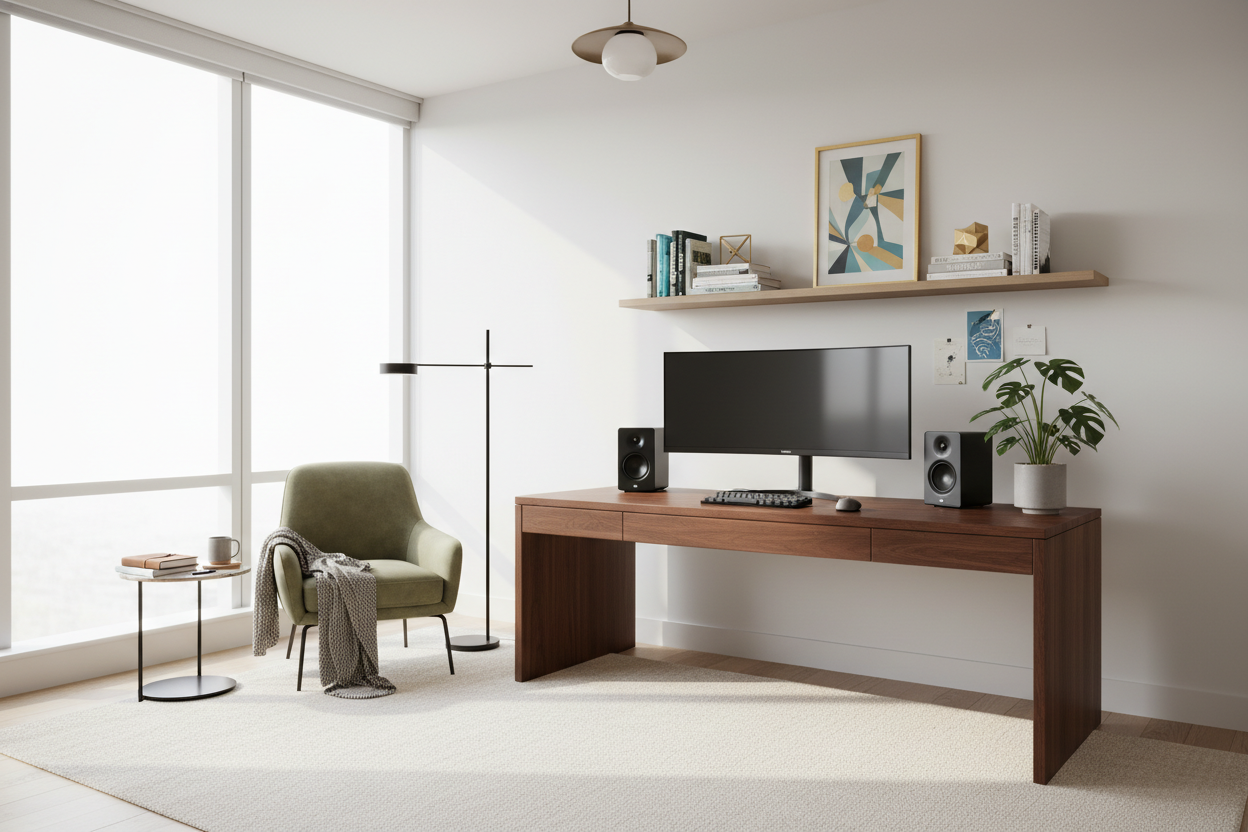
We have all been there: staring at a sterile, boxy room trying to figure out how to make it feel like a place where real work—and creativity—actually happens. The temptation is to fill the space with novelty gadgets that look fun online but quickly devolve into desktop clutter. If you are searching for cool things to put in your office, the goal is not to build a toy store. It is to curate a space that feels intentional, layered, and deeply personal.
I will walk you through how to select the best items for office environments that bridge the gap between striking design and daily utility, ensuring your workspace looks sophisticated without sacrificing an ounce of functionality.
Quick Decision Guide
- Prioritize ergonomic integrity over visual silhouette when selecting your primary seating.
- Use task lighting as architectural art—a sculptural brass or matte black lamp adds character without consuming square footage.
- Incorporate organic textures, like a live-edge walnut tray or a ceramic planter, to soften the hard lines of monitors and tech gear.
- Protect your negative space; leave at least 30 percent of your desk surface entirely clear to reduce visual fatigue.
Balancing Visual Weight and Practicality
The Problem with Gimmicky Decor
When sourcing the best things for your office, it is easy to get distracted by flashy accessories. However, true design impact comes from items that serve a distinct purpose while offering a strong silhouette. Think of a beautifully milled solid oak monitor stand or a full-grain leather desk pad that patinas over time. These pieces add warmth and texture to a room typically dominated by cold plastics, harsh cables, and glass screens.
Lighting as a Statement Piece
Overhead recessed lighting casts harsh shadows that strain the eyes and flatten a room's aesthetic. A cantilevered desk lamp or a mid-century floor lamp acts as a functional sculpture. It provides the directional light necessary for reading and typing while drawing the eye upward, making standard eight-foot ceilings feel slightly taller and giving the room a curated, deliberate atmosphere.
Space Planning for the Modern Workspace
Defining the Focal Point
In North American homes, the office often doubles as a guest room or a converted dining space. Establishing a clear focal point prevents the room from feeling like a furniture storage unit. If your desk floats in the center of the room, the objects on it become the anchor. A heavy marble bookend or a vintage brass clock grounds the space. If the desk faces a wall, your must haves for your office should include floating shelves styled with a mix of reference books, textured ceramics, and trailing plants to break up the rigid horizontal lines.
Designer's Honest Take
Early in my career, I was obsessed with the idea of a minimalist, ultra-modern workspace. I purchased a stunning, heavy acrylic ghost chair for my own home office. It looked incredible in photos and kept the visual footprint of the room incredibly light. The reality? After a week of eight-hour workdays, my lower back was in agony, and the acrylic was covered in micro-scratches from the rivets on my jeans.
I learned the hard way that an office is a high-friction environment. Now, I always prioritize high-density foam and breathable performance fabrics over a purely sculptural silhouette. You can have a beautiful office, but if you cannot sit at your desk for more than an hour without shifting in pain, the design has completely failed.
Frequently Asked Questions
What are the best items to make a small office feel bigger?
Opt for items with a light visual weight, such as wire-frame shelving or a desk with slender, tapered legs. Mirrors placed opposite a window can also bounce natural light, making tight quarters feel much more expansive.
How do I add personality to a corporate or rental office?
Focus on high-impact, low-commitment pieces. A high-quality, oversized vintage rug hides generic commercial carpeting, while a curated gallery wall using removable adhesive hooks brings in color without damaging the drywall.
Are standing desks worth the investment?
Yes, but only if you actually use the mechanics. From a design perspective, they often look clunky. To counter this, choose a solid wood top rather than laminate, and invest heavily in a cable management tray to hide the inevitable nest of power cords that become visible when the desk is raised.

Leave a comment
This site is protected by hCaptcha and the hCaptcha Privacy Policy and Terms of Service apply.