










One of the most frequent dilemmas my clients face is balancing the desire for a bespoke, curated aesthetic with a realistic budget. There is a misconception that to achieve a sophisticated lounge area, one must avoid mass-market retailers entirely. This is simply untrue. The secret lies not in where you shop, but in how you select and style your pieces. When navigating the vast inventory of living room table sets ikea, the goal is to avoid the "catalogue look"—where every piece matches perfectly and the room lacks soul.
By understanding scale, materiality, and the interplay of different silhouettes, you can source pieces that feel intentional and high-design. Below, I break down how to mix and match these accessible items to create a space that feels uniquely yours.
Quick Decision Guide: Selecting Your Tables
- Visual Weight: Balance heavy, solid wood pieces with airy, metal or glass structures to prevent the room from feeling boxy.
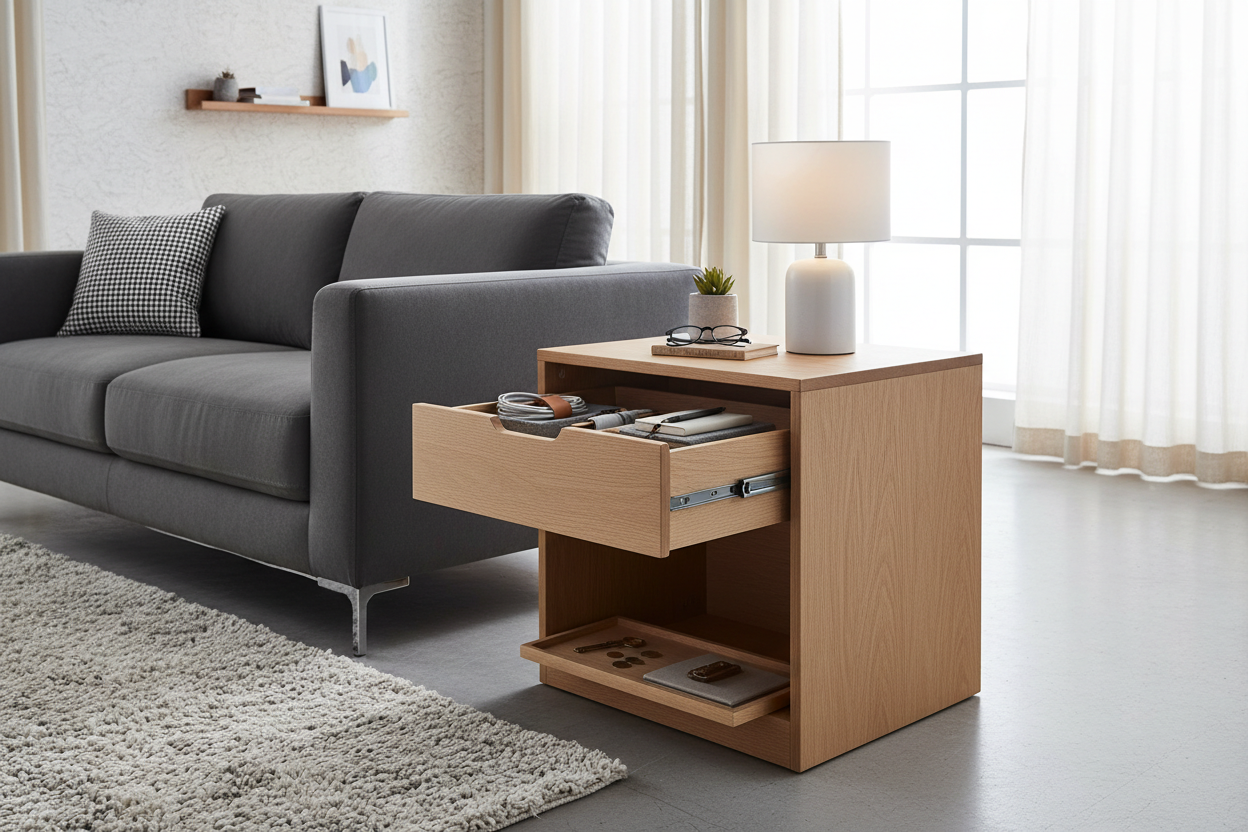
- Height Variation: Ensure your side tables sit roughly level with (or slightly below) the arm of your sofa for ergonomic comfort.
- Material Mix: Avoid matching wood grains exactly. If your coffee table is oak veneer, try a side table ikea black metal finish for contrast.
- Traffic Flow: Leave at least 16-18 inches between the sofa and the coffee table for comfortable legroom.
Breaking the "Matching Set" Rule
In high-end interior design, we rarely purchase a pre-packaged ikea coffee and end table set where every item is identical. While convenient, this often flattens the design depth of a room. Instead, I advocate for curating your own set by mixing collections.
For example, if you choose a substantial, blocky coffee table like the LACK or HAVSTA, pair it with a high side table ikea offers, such as the metal GLADOM. This introduces a variation in texture—wood against metal—and breaks up the visual monotony. If you have a large sectional, a standard square table might look lost. In this case, a rectangle side table ikea model placed along the back or side of the sofa can anchor the space better than a small round one.
Functionality Meets Aesthetics: The Layered Look
Modern living rooms are multi-functional spaces. We aren't just drinking coffee; we are working, eating, and lounging. This requires adaptable furniture. A massive trend I am seeing in urban apartments is the shift toward lower profiles. A low table for floor seating ikea style (think the LISTERBY or STOCKHOLM lines) works beautifully in Japandi or minimalist spaces where floor cushions are used.
However, if floor seating isn't your preference, consider the utility of an ikea nest of tables 3 piece set like the GRANBODA. These are brilliant for fluid layouts. You can keep them clustered as a focal point or disperse them when guests arrive to provide surfaces for drinks. This flexibility is vital for maintaining a clutter-free environment.
Injecting Glamour with Metals
To elevate a neutral palette, metallic accents are indispensable. An ikea gold table acts as jewelry for the room. A small brass-finish side table next to a velvet armchair creates an instant vignette of luxury. The key here is subtlety; one gold accent table is chic, but three can look kitschy. Balance the sheen of the metal with matte finishes elsewhere in the room.
The Challenge of Small Spaces
For compact urban dwellings, heavy furniture is the enemy. You need pieces that allow light to pass through. A small low table ikea option with a glass top or slender legs (like the VITTSJÖ series) preserves the sightlines of the floor, tricking the eye into thinking the room is larger than it is. When creating your own ikea coffee table and side tables arrangement in a small room, prioritize round edges over sharp corners to improve flow and reduce shin-bumping hazards.
Lessons from My Own Projects: The "Rattle" Factor
I want to share a candid observation from a project I styled last year in a downtown loft. We were working with a tight budget and decided to use the GLADOM tray tables as nightstands and side tables. Visually, they were stunning—sleek, modern, and the color was perfect.
However, I noticed a specific quirk during the installation: the removable tray top can rattle against the metal base if you set a heavy ceramic mug down too quickly. It felt "cheap" in an otherwise polished room. My fix? I bought a roll of small, adhesive felt pads (the kind usually used for chair legs) and cut them into tiny quarters. I placed three distinct dots on the rim where the tray meets the base. The result was silence. The table instantly felt more solid and high-end. It is these tiny adjustments—tightening a screw an extra turn, adding felt, or swapping out a generic knob—that bridge the gap between flat-pack furniture and custom design.
Final Thoughts on Styling
Your living room tables are the workhorses of your home. While IKEA provides the structure, you provide the style. Don't be afraid to mix a vintage lamp with a modern IKEA side table, or to spray paint a black metal frame to match your color scheme. Design is about the mix, not the match.
Frequently Asked Questions
How do I stop my IKEA tables from looking cheap?
Styling is key. Use coffee table books, a structured tray to corral remotes, and organic elements like fresh flowers or a wooden bowl. Also, ensure you assemble them tightly; wobbly furniture always feels lower quality.
Can I mix wood tones with IKEA furniture?
Absolutely. In fact, you should. If you have oak floors, avoid buying an oak-effect table that almost matches but slightly misses. Instead, go for a high contrast, like a black or white finish, or a dark walnut tone to create deliberate layering.
What is the best table height for a standard sofa?
Ideally, your side table should be within two inches of your sofa's arm height. For coffee tables, the standard is the same height as the sofa seat or 1-2 inches lower. Standard IKEA sizing generally adheres to these ergonomic rules, but always measure your sofa first.


Leave a comment
This site is protected by hCaptcha and the hCaptcha Privacy Policy and Terms of Service apply.