










We often underestimate how much visual chaos a single flat surface can create. You put down a remote, then a coaster, then a charging cable, and suddenly that sleek minimalist aesthetic you were aiming for looks cluttered. The solution isn't necessarily to own less, but to organize smarter. A small side table with drawer storage is one of the most effective pieces of furniture you can buy for a living room, bedroom, or hallway because it solves the immediate problem of "where does this go?" without taking up valuable square footage.
The Art of Hiding in Plain Sight
Open shelving has had its moment in the spotlight, but anyone who lives in a compact urban environment knows the truth: dust and clutter love open shelves. A drawer changes the dynamic completely. It offers a dedicated "drop zone" for the items you need within arm's reach but don't necessarily want to stare at all day. We are talking about lip balm, spare batteries, the good pen you don't want anyone to steal, or that stack of mail you aren't ready to sort through yet.
I learned this lesson the hard way in my first apartment. I bought a set of trendy, glass-topped nesting tables. They looked airy and beautiful in the store. Within a week, they were covered in fingerprints and piled high with random knick-knacks because there was nowhere else to put anything. I eventually swapped them out for a vintage wood piece with a single, deep drawer. The visual relief was instant. The room felt cleaner because the surface remained clear for a lamp and a cup of coffee, while the mess lived secretly inside.
Measuring for the Perfect Fit
Finding the right small table with drawer functionality requires more than just liking the style; the proportions have to make sense for your existing furniture. If you are placing this next to a sofa or an armchair, the height is the most critical factor. Ideally, the tabletop should sit level with or just slightly below the arm of your seat. This prevents you from having to reach awkwardly up or down to set down a drink.
For a standard sofa, look for a table between 22 and 26 inches high. If you are shopping for a low-profile modern couch, you might need something closer to 18 inches. Width is less critical, but depth matters. You want a piece that is deep enough to hold a lamp but not so deep that it blocks traffic flow in the room. A depth of 16 to 22 inches is usually the sweet spot for a versatile end table.
Visual Weight and Leg Design
In tighter spaces, the design of the base affects how big the room feels. A boxy table that sits flush against the floor can look heavy and make a small room feel smaller. Conversely, a table raised on slender legs allows light to pass underneath, creating an illusion of more floor space. If your room feels cramped, opt for mid-century modern styles or industrial designs with thin metal legs. If you have a large, cavernous room that needs grounding, a solid wood block style or a table with a shelf near the bottom can add necessary weight.
Material Selection and Durability
Since this piece of furniture will likely see high traffic—holding hot mugs, cold glasses, and getting bumped by vacuum cleaners—durability is non-negotiable. Solid wood is always a top contender because it can be refinished if it gets scratched. However, engineered wood with a high-quality veneer is often more stable in fluctuating humidity and won't warp as easily.
Metal options offer a different vibe. A powder-coated steel small side table with drawer adds an industrial or contemporary edge and is virtually indestructible. Just be mindful of the noise factor; metal drawers can be clangy if they aren't lined with felt or soft closing mechanisms.
Don't ignore the hardware. The knob or pull is the jewelry of the piece. If you find a budget-friendly table with great bones but ugly plastic handles, you can easily swap them out for brass or ceramic hardware to elevate the look instantly.
Beyond the Living Room
While we usually associate these tables with the sofa, their utility extends far beyond the living area. In a narrow hallway, a compact console often feels too wide. A small accent table can fit in a tight corner to hold keys and a mail sorter. In a guest bathroom with a pedestal sink and zero counter space, a small water-resistant table can hold spare towels and toiletries, with the drawer securing items like cotton swabs or razors.
They also serve as excellent nightstands for small bedrooms. Standard bedside tables are often too wide for apartments where the bed barely fits between the walls. A narrow side table gives you just enough room for your phone and a glass of water, while the drawer keeps your bedside essentials private.
Checking the Mechanics
Nothing ruins the experience of a piece of furniture faster than a drawer that sticks. Before you commit to a purchase, check how the drawer operates. You want smooth glides. Metal ball-bearing slides are the gold standard as they allow the drawer to extend fully and close softly. Wood-on-wood runners are traditional and can last a long time, but they require occasional waxing to keep them moving smoothly.
Also, check the "stop" mechanism. You don't want to pull the drawer out too enthusiastically and have it fall onto your toes. A quality small table with drawer construction will have a built-in stop to prevent this. If you are buying online, zoom in on photos of the drawer box. Dovetail joints generally indicate higher craftsmanship compared to drawers held together with staples and glue.
Styling Your New Surface
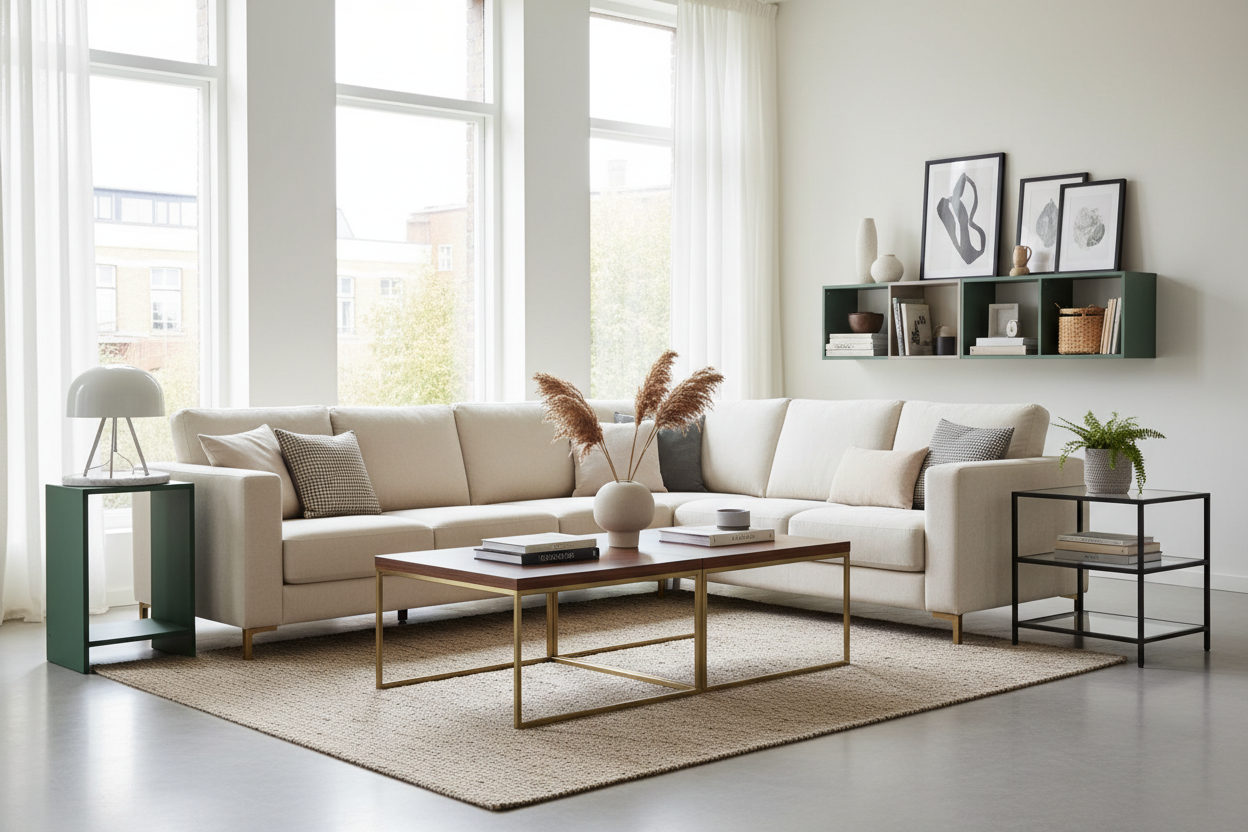
Once you have your table in place, resist the urge to fill the surface immediately. Follow the rule of three: a light source (lamp), an object of height or interest (a plant or sculpture), and a functional flat object (a stack of coasters or a small book). This leaves enough negative space for the table to actually function as a table.
The drawer is there to do the heavy lifting. Use drawer organizers or small baskets inside to keep it from becoming a junk drawer. Dedicate it to specific categories—tech accessories, reading glasses, or stationary. When everything has a place inside the drawer, the top stays clear, and your room maintains that sense of calm and order you were looking for.
Frequently Asked Questions
How deep should a drawer be to be actually useful?
For a side table, a drawer depth of at least 3 to 4 inches is ideal. This depth accommodates standard remotes, a paperback book, or a tangled ball of chargers without getting jammed. Anything shallower than 2 inches is mostly restricted to papers or pens.
Can I use two different side tables in the same room?
Absolutely. Mismatched tables add character and prevent the room from looking like a furniture showroom catalog. Try to keep the heights relatively similar (within 2 inches of each other) so the visual line remains consistent, but feel free to mix materials or shapes.
What is the best way to clean a wood side table drawer that smells musty?
Remove the drawer completely and wipe it down with a solution of water and white vinegar. Let it dry in the sun if possible, which helps kill mold spores. You can also leave a small bowl of baking soda or a charcoal deodorizer bag inside the drawer for a few days to absorb lingering odors.

Leave a comment
This site is protected by hCaptcha and the hCaptcha Privacy Policy and Terms of Service apply.