










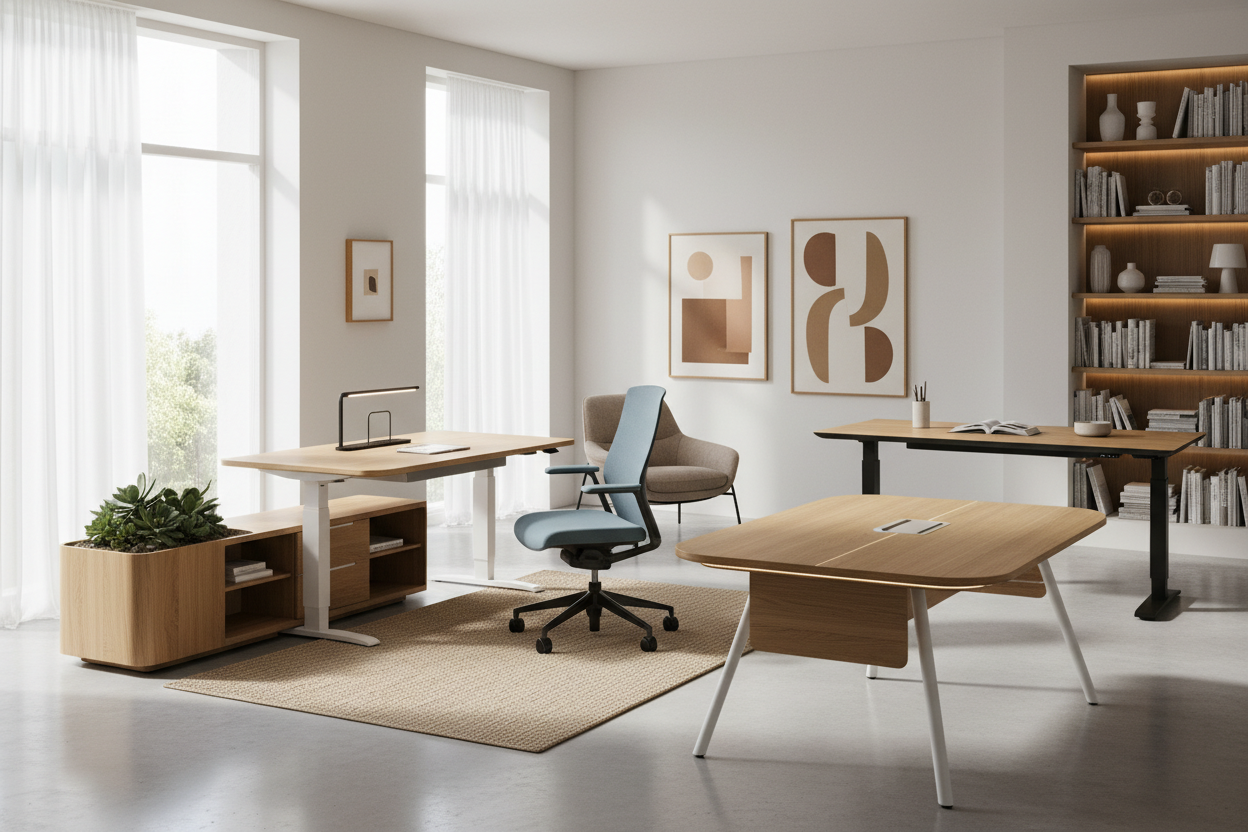
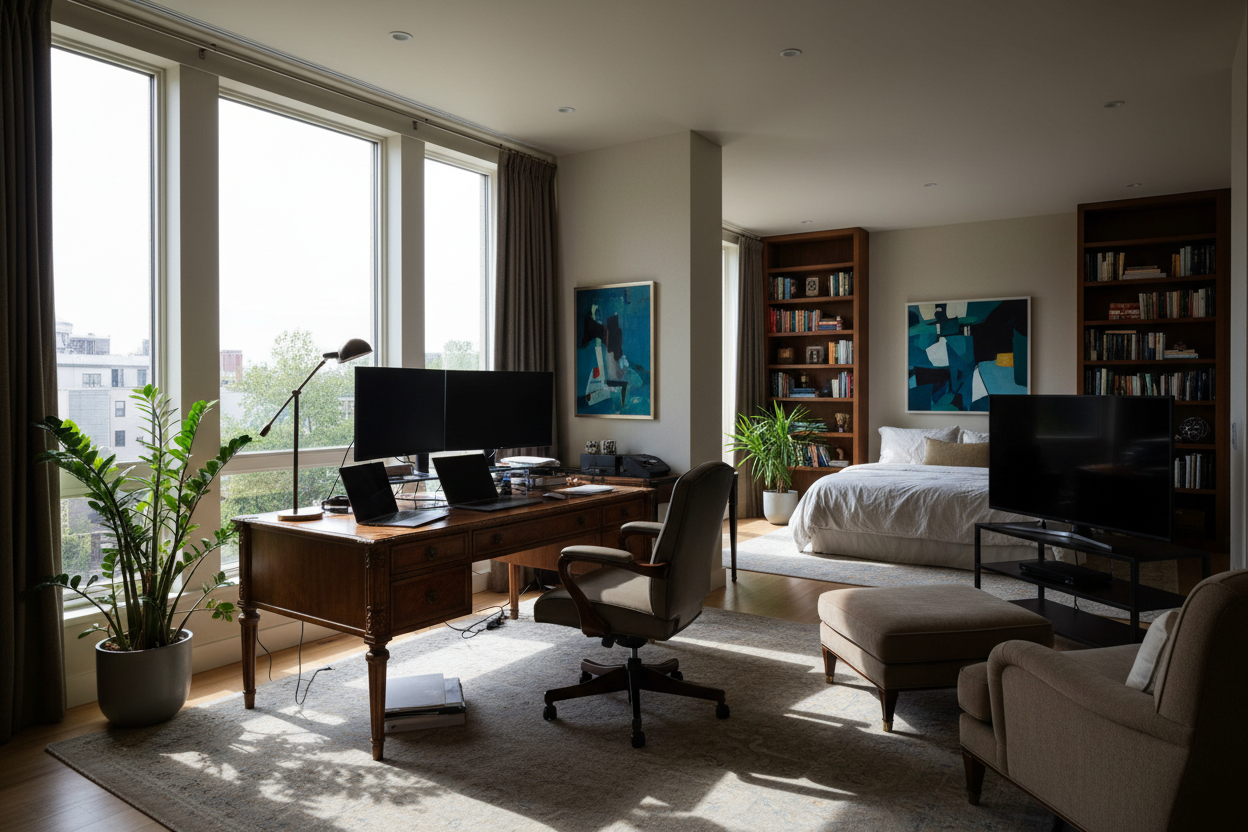
We have moved past the era where a makeshift setup at the dining room table suffices. As our homes evolve into multifunctional sanctuaries, the furniture we choose must bridge the gap between professional utility and residential aesthetic. The latest designs of office tables are no longer just about surface area; they are about creating a focal point that supports your workflow while harmonizing with your existing interior architecture. Whether you are carving out a niche in a master bedroom or outfitting a dedicated study, selecting the right piece requires a discerning eye for detail.
Key Features to Look For
- Material Integrity: Distinguish between solid hardwoods (longevity) and high-pressure laminates (durability against scratches).
- Ergonomic adaptability: Look for concealed sit-stand mechanisms that do not compromise the visual profile.
- Cable Management: Essential for maintaining visual calm; look for integrated trays or hidden channels.
- Surface Finish: Consider matte or soft-touch finishes to reduce glare and eye strain during long hours.
- Scale and Proportion: Ensure the desk footprint allows for 36 inches of clearance behind the chair for proper circulation.
Defining the Aesthetic: Materiality Matters
When scouting the latest office table design trends, the shift is noticeably moving away from sterile, corporate metals toward materials that offer tactile warmth. In my recent consultations, we are prioritizing texture.
The Resurgence of Natural Wood
Solid walnut and oak remain timeless, but the modern application is different. We are seeing live-edge slabs paired with minimalist lucite or blackened steel legs. This juxtaposition anchors the room with organic weight while keeping the visual space open. However, be wary of veneers if you are a heavy user; a solid top allows for refinishing down the line, whereas a chipped veneer is a permanent scar.
Nano-Tech Surfaces
For a more contemporary, monochromatic look, Fenix and other nano-tech laminates are revolutionizing desktop furniture design. These surfaces are soft to the touch, thermally healing (meaning micro-scratches can be repaired with heat), and anti-fingerprint. They provide a matte, architectural look that absorbs light rather than reflecting it, which is crucial for video conferencing setups.
The Silhouette: Breaking the Rectangular Mold
The standard rectangular desk is functional, but it often dictates a rigid room layout. Current design languages are embracing softer geometry.
Organic Curves and Kidney Shapes
A curved desk softens the hard lines of a room. Placing a kidney-shaped desk in the center of a room—floating it rather than pushing it against a wall—creates a command position. This layout invites interaction and improves the flow of traffic within the space. It transforms the furniture from a workstation into a sculptural element.
The Hidden Sit-Stand Revolution
Early iterations of standing desks looked like industrial machinery. The newest luxury models conceal the motors within substantial, timber-clad legs. You get the ergonomic benefit of movement without sacrificing the residential vibe. If you cannot spot the mechanism at first glance, it is a sign of superior design.
Lessons from My Own Projects
I want to share a specific realization from a recent home office renovation in a pre-war apartment. I specified a stunning, ultra-slim floating desk that looked incredible in the renderings. It had a 'honeycomb' core to keep it lightweight.
Here is the unpolished truth: when we installed a heavy-duty monitor arm for the client's dual-screen setup, the clamp actually crushed the hollow core of the desk. It was a disaster.
Since then, I have a strict rule: I always check the core density of a table before buying. If you plan to use clamp-mounted accessories (microphones, lights, monitor arms), you need a solid wood or high-density MDF edge. Also, check the 'thump' sound. A hollow desk acts as a drum; every time you set down a coffee mug or type vigorously, it amplifies the sound. A solid, dense table absorbs that energy, making your workday quietly luxurious.
Conclusion
Investing in the right workspace furniture is an investment in your mental clarity. By focusing on authentic materials, ergonomic integration, and the right silhouette, you ensure your workspace serves you for years to come. Do not just fill a space; curate it.
Frequently Asked Questions
What is the ideal height for an office table?
While the standard industry height is between 28 to 30 inches, this is often too high for proper typing ergonomics for people under 5'10". If you are not buying an adjustable desk, consider a keyboard tray or ensuring your chair lifts high enough (and use a footrest) to keep your elbows at a 90-degree angle.
How do I maintain a natural wood office table?
Dust regularly with a microfiber cloth. For oil-finished tables, re-oil them every 6-12 months to prevent drying. Crucially, always use coasters. The heat from a laptop or a coffee mug can cause 'blushing' (white marks) in the finish that are difficult to remove without professional help.
Can large office tables work in small apartments?
Yes, if you choose the right base. A table with a heavy pedestal base can make a small room feel claustrophobic. Opt for a table with slender legs or a glass top (ghost style) to maintain visual permeability, making the room appear larger than it is.

Leave a comment
This site is protected by hCaptcha and the hCaptcha Privacy Policy and Terms of Service apply.