










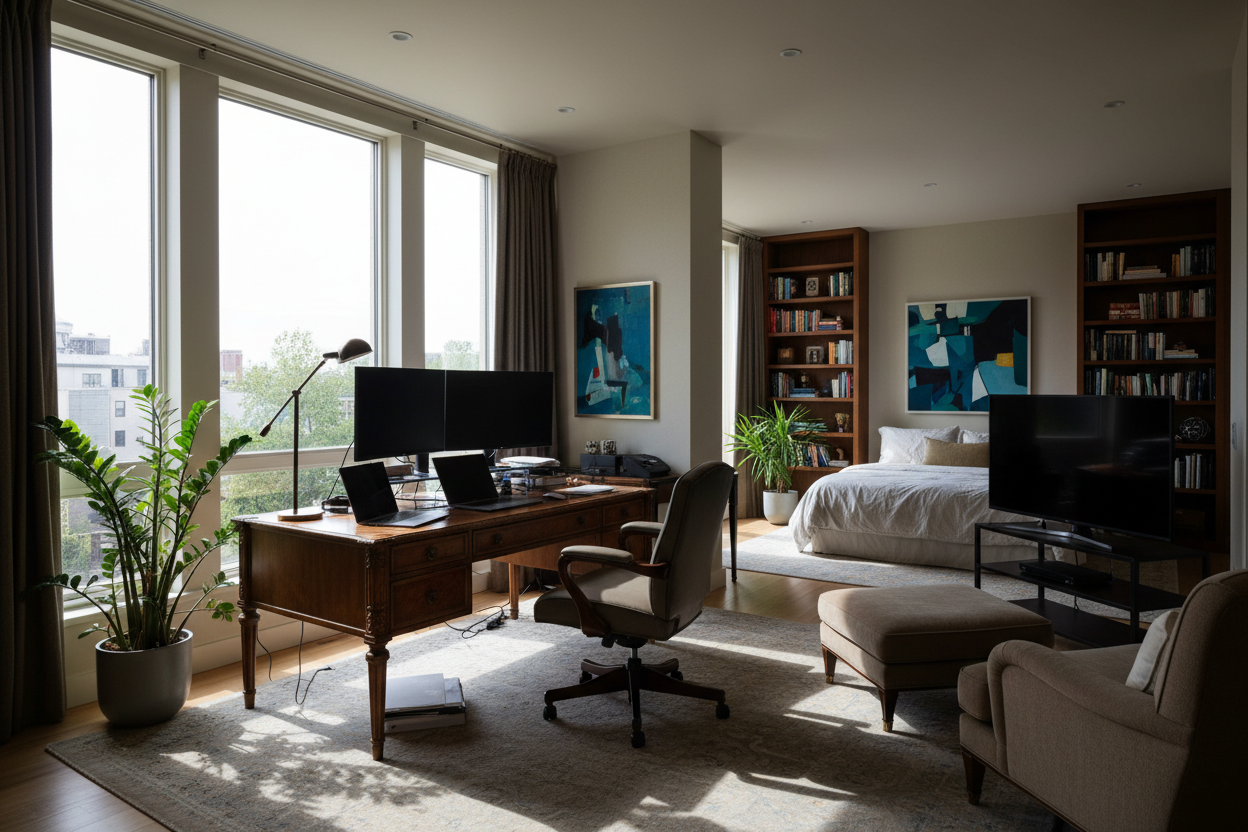
We have all been there: trying to be productive while perched on a kitchen stool or sinking into a sofa that offers zero lumbar support. As an interior designer, I see clients struggle to find the balance between a functional office and a relaxing sanctuary. Learning how to home from work effectively—meaning, how to integrate professional utility into a domestic setting—is less about buying a desk and more about curating an environment.
Quick Decision Guide: The Essentials
Before dragging furniture across the floor, review this checklist. These are the non-negotiable elements required to successfully transition a space for professional use:
- Ergonomics Over Aesthetics: Your chair must support the S-curve of your spine; a cane-back dining chair will not suffice for 8-hour shifts.
- Lighting Layers: Combine ambient overhead light with task lighting to reduce eye strain.
- Acoustic Control: Use rugs, curtains, or upholstered panels to dampen echo, especially for calls.
- Surface Depth: Ensure your desk is at least 24–30 inches deep to maintain proper focal distance from your monitor.
Defining the Workspace: Is It Possible to Work From Home in Any Layout?
Clients frequently ask, "Is it possible to work from home effectively in a studio apartment or an open-plan living room?" The answer is yes, but it requires intentional zoning. You must visually separate the "office" from the "lounge."
If you lack a dedicated room, use a console table behind a sofa as a desk, or invest in a secretary desk that closes up at the end of the day. This physical closing of the workspace is a vital psychological trigger—a work from home key to maintaining work-life balance.
The Furniture Selection: Assessing Quality and Comfort
When I am working from home, I rely heavily on the tactile quality of my surroundings. Cheap veneers peel, and poor foam collapses.
The Desk: Material Matters
Avoid high-gloss finishes. While they look sleek in a showroom, they are a nightmare for optical mice tracking and create distracting glare under task lighting. Opt for matte wood veneers (walnut or white oak) or linoleum-topped desks, which are soft to the touch and hide fingerprints.
The Seating: The "How Much" Question
Often, clients ask, "How much do you get for working from home in terms of comfort versus the cost of a chair?" If you are sitting for 6+ hours, the ROI on a high-end ergonomic chair (like an Aeron or a Steelcase) is medical, not just aesthetic. Look for a "synchro-tilt" mechanism, which allows the seat and back to move in a synchronized ratio, keeping your feet on the floor while you recline.
Styling for the Camera: Content for Work From Home
In the era of Zoom, your background is part of your professional attire. If you are generating content for work from home—be it presentations or video calls—pay attention to what is behind you. Avoid a blank white wall, which feels sterile. Instead, install floating shelves styled with books and plants to add texture and depth without clutter. This creates a visual hierarchy where you remain the focal point.
Organization: Managing the "Work From Home Notes"
Clutter kills creativity. You need a designated drop zone for your work from home notes, sketches, and tech accessories. If your desk lacks drawers, utilize vertical space. A pegboard or a magnetic leather board can hold documents elegantly. For those saying, "I would like to work from home but have too much paper," a rolling filing pedestal tucked under the desk is a discreet solution that keeps the surface pristine.
My Personal Take on How to Home From Work
I want to share a specific lesson from my own home office renovation. I initially fell in love with a stunning, vintage mid-century modern teak desk. It had beautiful lines and a rich patina. However, I ignored the "knee clearance" measurement. The drawer apron was too low, preventing me from crossing my legs or adjusting my chair height properly.
For weeks, I tried to make it work because I loved the look, but I ended up with significant hip pain. I eventually swapped it for a height-adjustable standing desk with a solid wood top. The lesson? Measure your clearance. The standard desk height is 29-30 inches, but the clearance under the drawer needs to be at least 24-25 inches. No amount of aesthetic beauty compensates for poor ergonomics when you are in the trenches of a deadline.
Frequently Asked Questions
How we work from home in shared spaces without conflict?
When two people share a workspace, acoustic privacy is paramount. Position desks facing away from each other or use a noise-canceling divider. If space allows, stagger your layout so neither person is in the direct line of sight of the other, reducing visual distraction.
I will do work from home soon; what is the first item I should buy?
Prioritize the chair. You can work off a dining table temporarily, but a bad chair will cause fatigue within days. Invest in seating that offers adjustable lumbar support and breathable fabric.
How do different work from home situations impact lighting needs?
If you do detailed drafting or writing, you need a directional task lamp with a high CRI (Color Rendering Index) to see true colors. For general computer work, bias lighting (LED strips behind the monitor) reduces contrast strain between the bright screen and the dark room.
Final Thoughts
Designing a home office is not just about replicating a cubicle; it is about elevating your daily ritual. By selecting materials that age well and prioritizing your physical health through ergonomics, you create a space where productivity feels natural.

Leave a comment
This site is protected by hCaptcha and the hCaptcha Privacy Policy and Terms of Service apply.