










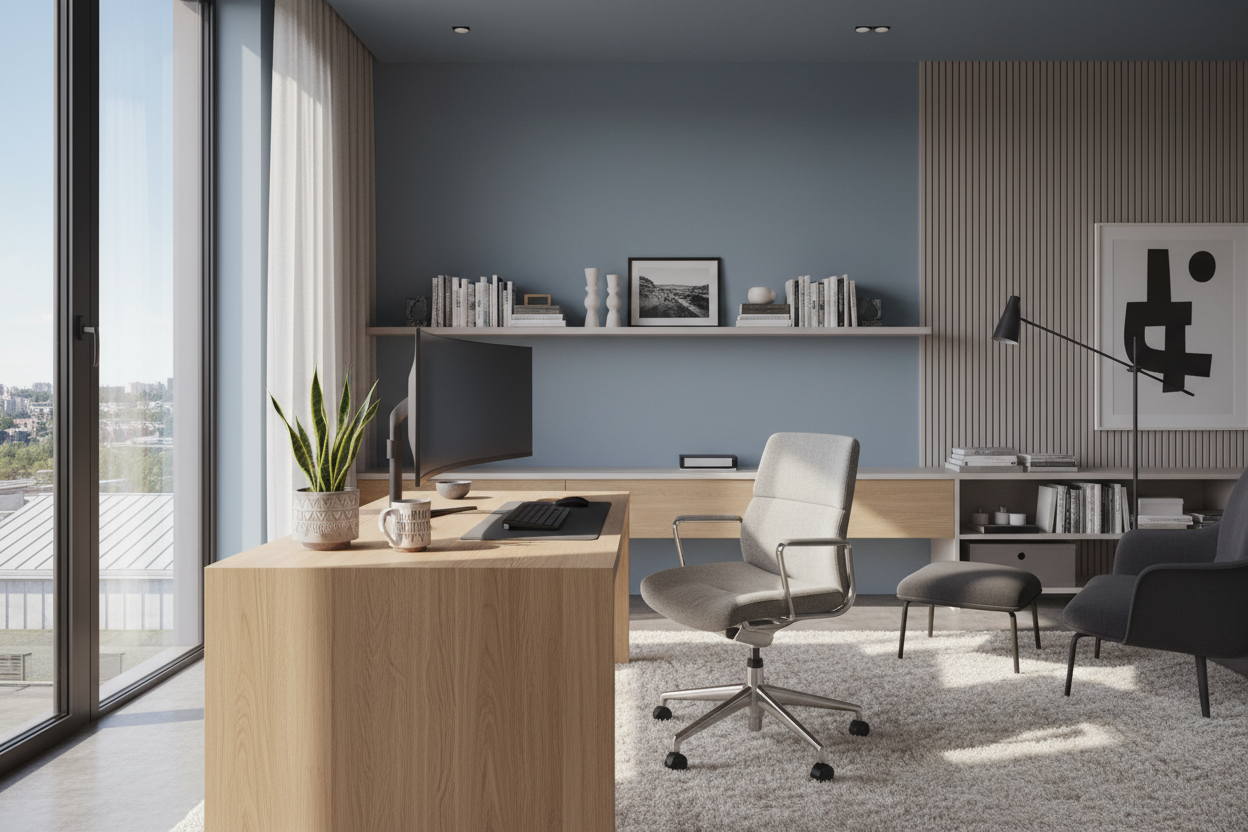
We often underestimate how profoundly our environment dictates our output. A cluttered, poorly lit room creates mental friction, while a curated space invites clarity. As a designer, I see clients struggle to balance functionality with style, often sacrificing one for the other. The secret to defining your **office aesthetics** isn't just about buying expensive furniture; it is about creating a visual language that supports your workflow while looking sophisticated.
Key Elements of a Cohesive Workspace
Before purchasing a single piece of furniture, consider these fundamental pillars that define successful workplace aesthetics. This checklist ensures you prioritize longevity and comfort over fleeting trends.
- Ergonomic Integration: Prioritize chairs with adjustable lumbar support that maintain a sleek silhouette.
- Lighting Layers: Combine ambient overhead lighting with focused task lighting (2700K-3000K warmth).
- Material Palette: Mix cold textures (glass, metal) with warm organic elements (walnut, leather, wool).
- Negative Space: Allow for empty visual areas to prevent the "cluttered" look common in small home offices.
- Cable Management: True modern office aesthetic relies on invisible technology and hidden cords.
Defining Your Aesthetic Office Design
When curating an aesthetic office space, the goal is to reflect your professional identity without making the room feel sterile. Whether you are aiming for a moody, masculine library vibe or a minimal Scandinavian look, the principles of scale and proportion remain constant.
Materiality and Texture
The most common mistake in aesthetic office decor is a lack of texture. A flat white desk against a white wall feels institutional, not intentional. To elevate the home office aesthetic, introduce materials that age well. Solid wood desks—walnut or white oak—offer a tactile warmth that veneer simply cannot mimic. If you prefer a modern office aesthetic, look for matte-powder-coated metals rather than high-gloss chrome, which can create distracting glares under task lighting.
The Ergonomic Compromise
There is often a battle between the office work aesthetic and physical health. Many "aesthetic" chairs found on Pinterest offer zero spinal support. However, high-end ergonomic design has evolved. Look for performance task chairs that utilize mesh or fabric in neutral tones (charcoal, sand, navy) rather than the aggressive neon often seen in gaming setups. The chair should anchor the room, serving as a focal point of engineering and style.
Layout and Spatial Flow
Your aesthetic office room must facilitate movement. In my design practice, I adhere to the "command position." Orient your desk so you face the door but aren't directly in line with it. This taps into a primal sense of security, allowing you to focus deeply.
For those working with limited square footage, aesthetic office ideas often hinge on verticality. Use floor-to-ceiling shelving to draw the eye upward, making the room feel expansive. Floating shelves can display aesthetic office decor—like sculptural bookends or a singular architectural plant—keeping the desk surface clear for actual work.
My Personal Take on Office Aesthetics
I learned a hard lesson early in my career regarding workplace aesthetics versus reality. I once designed a stunning, minimalist executive suite for a client featuring a custom glass-top desk and high-gloss lacquer cabinetry. It looked breathtaking in the portfolio photos.
Two weeks later, the client called. The glass was a nightmare of fingerprints, and the reflective lacquer caused eye strain from the window glare. It was a beautiful failure. Since then, my approach to the office aesthetic has shifted entirely to matte finishes and natural grains. I now tell every client: "If you can't touch it without anxiety, it doesn't belong in your office." Real luxury is a space that forgives daily use while maintaining its composure.
Conclusion
Achieving the perfect office space aesthetic is a study in balance. It requires selecting pieces that feel good to the touch, lighting that reduces fatigue, and a layout that breathes. By investing in quality materials and prioritizing ergonomic forms, you build a workspace that doesn't just look good on camera—it actually helps you work better.
Frequently Asked Questions
How do I make a small office look aesthetic?
Focus on vertical storage and consistent color palettes. In a small aesthetic home office, visual clutter closes the walls in. Use floating shelves and match your storage bins to your wall color to create a seamless, built-in look.
What is the best lighting for an aesthetic office?
Layering is essential. Start with a dimmable overhead fixture for general ambiance. Add a dedicated task lamp with an adjustable arm for your desk. Avoid cool, blue-tinted LEDs; opt for bulbs around 3000K for a warm, inviting glow that reduces eye strain.
Is an aesthetic office chair worth the investment?
Absolutely, provided it is ergonomic. A cheap chair might fit the aesthetic office ideas you see online, but it will cost you in physical therapy later. Invest in a chair from a reputable contract furniture brand that offers a 10-12 year warranty and proper adjustability.

Leave a comment
This site is protected by hCaptcha and the hCaptcha Privacy Policy and Terms of Service apply.