










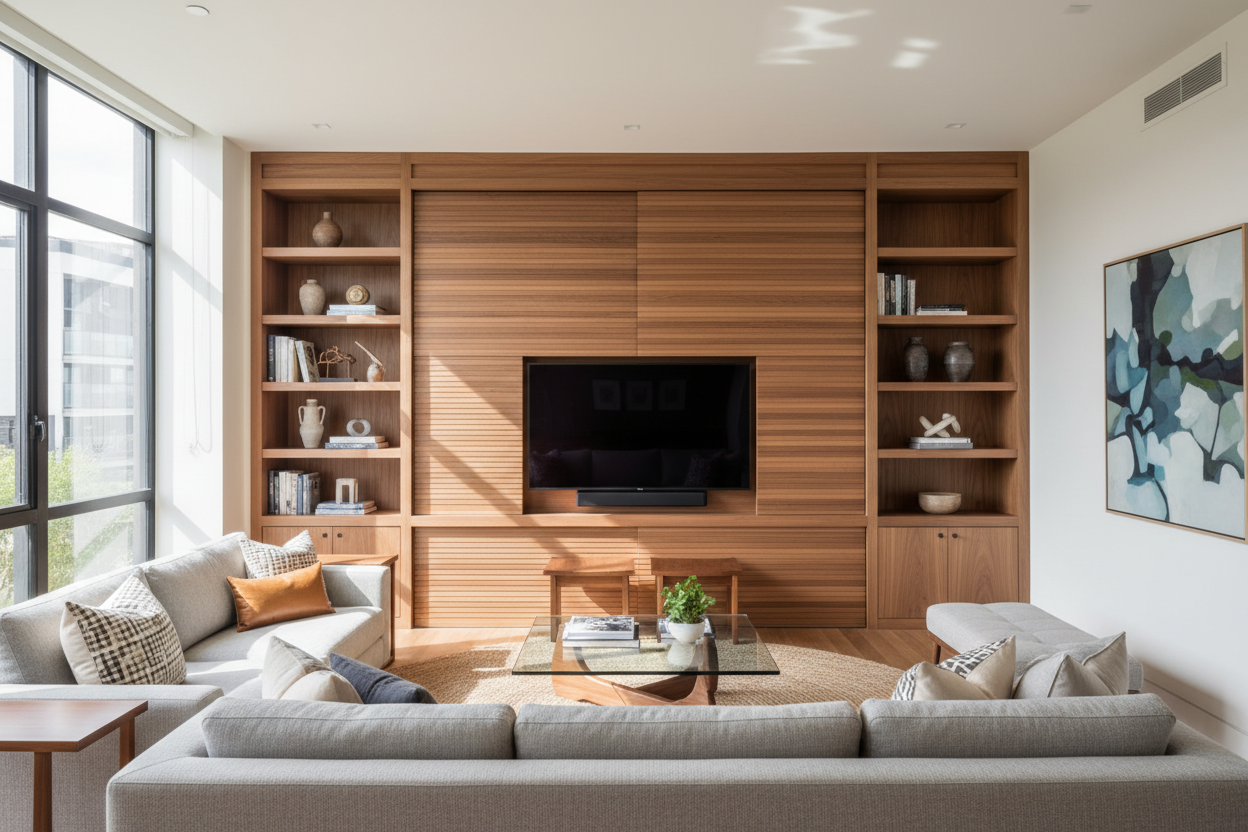
I remember walking into a client's new apartment last year. They'd bought a beautiful 65-inch TV, but it was sitting on a flimsy plastic stand that looked like it might topple over. The living room felt unbalanced, and all their gaming consoles and media boxes were piled on the floor. It's a common scene. Your entertainment unit wood choice isn't just about holding a TV; it's the anchor of your living space, dictating style, function, and flow. After furnishing over 200 homes, I've seen what works and what doesn't. Let's find the right piece for you.
Quick Takeaways
- Always measure your wall space and TV size first—a unit should be at least 4-6 inches wider than your TV on each side.
- Solid wood offers durability and character, while engineered wood provides stability and a lower cost.
- For small rooms, consider a low-profile wooden TV console to maintain an open feel.
- Plan for cable management upfront; look for units with built-in grommets or rear channels.
Why Wood Entertainment Units Are Timeless
When clients ask me why wood, I tell them it's about warmth and longevity. A well-made wooden entertainment center brings a natural, grounding element to a room that metal or glass often can't. I've placed units in modern lofts and traditional family homes, and wood always adapts. Beyond aesthetics, it's durable. A solid hardwood frame can last decades, resisting the wear and tear of daily life better than many composites. I once worked with a family whose oak media center survived three kids and two dogs, aging into a beautiful patina. It's also incredibly versatile. You can find a rustic reclaimed wood entertainment cabinet or a sleek, minimalist modern wood entertainment center. The key is choosing quality. For instance, understanding what furniture stores won't tell you about mango wood can save you from a piece that warps in humid climates.
Key Considerations Before You Buy
Before you fall in love with a design, let's talk logistics. The biggest mistake I see is buying a unit that's the wrong scale. First, consider your room. In a standard 12x14 living room, a large wood entertainment system over 80 inches wide can overwhelm the space, leaving less than the ideal 36-inch walkway around furniture. Your TV size is non-negotiable. For a 55-inch TV, look for a console at least 63 inches wide. Storage is next. Do you need to hide gaming consoles, routers, and DVDs, or display books and decor? This decision will guide you toward open wooden entertainment stands or a wood entertainment center with doors. Finally, style match. Bring fabric swatches or paint samples when shopping. A mid-century modern wood entertainment center will clash with ornate traditional furniture. For tight spaces, my guide on small wood TV stands in tight rooms has practical solutions.
Measuring Your Space Correctly
Grab a tape measure. First, measure the wall where the unit will go. Note the length and height, and mark any obstructions like outlets, vents, or baseboard heaters. I recommend leaving at least 2 inches of clearance on each side of the unit for visual balance. Next, measure your TV's width and height. The unit should be wider than the TV—I suggest 4-6 inches on each side so the screen doesn't look crammed. Don't forget depth. If you have a soundbar or plan to place items in front of the TV, ensure the unit is deep enough (often 16-20 inches). Finally, measure your existing furniture. The ideal height for the top of a TV stand is about 24-30 inches from the floor for comfortable viewing.
Storage Needs: Open Shelves vs. Closed Cabinets
This choice defines your room's vibe. Open shelves on a wooden TV console create an airy, accessible feel, perfect for displaying curated items like art books or a few decorative pieces. However, they show dust and clutter. I advise clients to use baskets on open shelves for items like remotes. Closed cabinets, like those on a wood entertainment cabinet, offer a clean, streamlined look, hiding electronics and media. They're great for families who want to quickly tidy up. For most, a hybrid works best. A unit with a closed compartment for game consoles and routers, plus open shelves for a soundbar and decor, offers the best of both. Consider your habits: if you frequently swap out Blu-rays, open storage is more convenient.
Wood Types and Finishes Explained
Not all wood is created equal. Solid wood, like oak, walnut, or maple, is the gold standard for durability and can be refinished over time. It's heavier and often more expensive, but it develops character. Engineered wood (like plywood or MDF) is more stable and resistant to warping, making it a good choice for a consistent, smooth finish. It's often used in modern wood entertainment centers for a sleek look. Veneers are thin layers of real wood over engineered cores, offering the beauty of solid wood at a lower cost. For finishes, consider your lifestyle. A matte or satin finish hides fingerprints and minor scratches better than high-gloss. Dark stains like espresso can feel formal but show dust, while light natural finishes make a room feel larger but may require more care. For a family room, I often recommend a durable, wipeable lacquer finish.
Style Guide: From Modern to Traditional
Your entertainment unit should complement your overall design language. For a contemporary space, look for clean lines, minimal ornamentation, and often lighter woods like ash or birch. A modern 3-piece entertainment center with a mix of wood and metal accents can define the room. Mid-century modern designs feature tapered legs and warm teak or walnut tones. Traditional styles use richer woods like cherry or mahogany, with detailed moldings and hardware. Rustic units might feature reclaimed barn wood with visible knots. In a small apartment, a low-profile, small wooden entertainment center in a light finish can make the room feel larger. Don't be afraid to mix—a traditional wood TV hutch can add interest to a transitional room. Browse different inspirations in our entertainment center collection to see what resonates.
Special Features and Customization
Today's wood media units offer smart solutions. Built-in cable management is a must—look for rear grommets or channels to route wires neatly, preventing the dreaded 'spaghetti mess.' Adjustable shelves let you customize space for taller components like amplifiers. Some units include integrated LED lighting, which can highlight decor or reduce eye strain in a dark room. For entertainers, consider multi-functional designs. I recently sourced a cedar wood bar pergola entertainment center for a client who loves hosting; it combined TV viewing with a serving area. Ventilation is crucial for electronics; ensure closed cabinets have adequate airflow via slatted backs or sides. If you have unique needs, many manufacturers offer customization for dimensions or finish.
Maintenance and Long-Term Care
To keep your wood entertainment center looking its best, regular care is simple. Dust weekly with a soft, dry cloth—microfiber works well. Avoid harsh chemicals. For cleaning, use a damp cloth with a mild soap solution (like diluted dish soap), then dry immediately. Protect the surface from direct sunlight, which can fade finishes, and use coasters for drinks. For scratches on finished wood, a matching touch-up pen can work wonders. If you have a solid wood piece, consider applying a furniture wax or polish once or twice a year to nourish the wood. Address spills quickly to prevent staining. With proper care, a quality wood entertainment unit can be a lasting centerpiece in your home.
Frequently Asked Questions
What size entertainment unit do I need for a 75-inch TV?
Look for a unit at least 85-87 inches wide. This provides a few inches of buffer on each side for a balanced look. Ensure the unit's weight capacity supports your TV.
Can I put a 65-inch TV on a wooden TV console?
Absolutely, if the console is sturdy and wide enough. The console should be at least 73 inches wide. Also check the depth to ensure the TV base fits securely.
How do I child-proof a wood entertainment center?
Anchor it to the wall with anti-tip straps. Avoid units with sharp corners, or add corner guards. Consider a design with doors that lock or have child-safe latches to keep little hands away from electronics.
Is solid wood always better than engineered wood for entertainment units?
Not necessarily. Solid wood is durable and can be refinished, but it's more susceptible to humidity changes. Engineered wood is stable, consistent, and often more affordable. For many, a high-quality engineered wood unit with a real wood veneer offers the best balance.


Leave a comment
This site is protected by hCaptcha and the hCaptcha Privacy Policy and Terms of Service apply.