










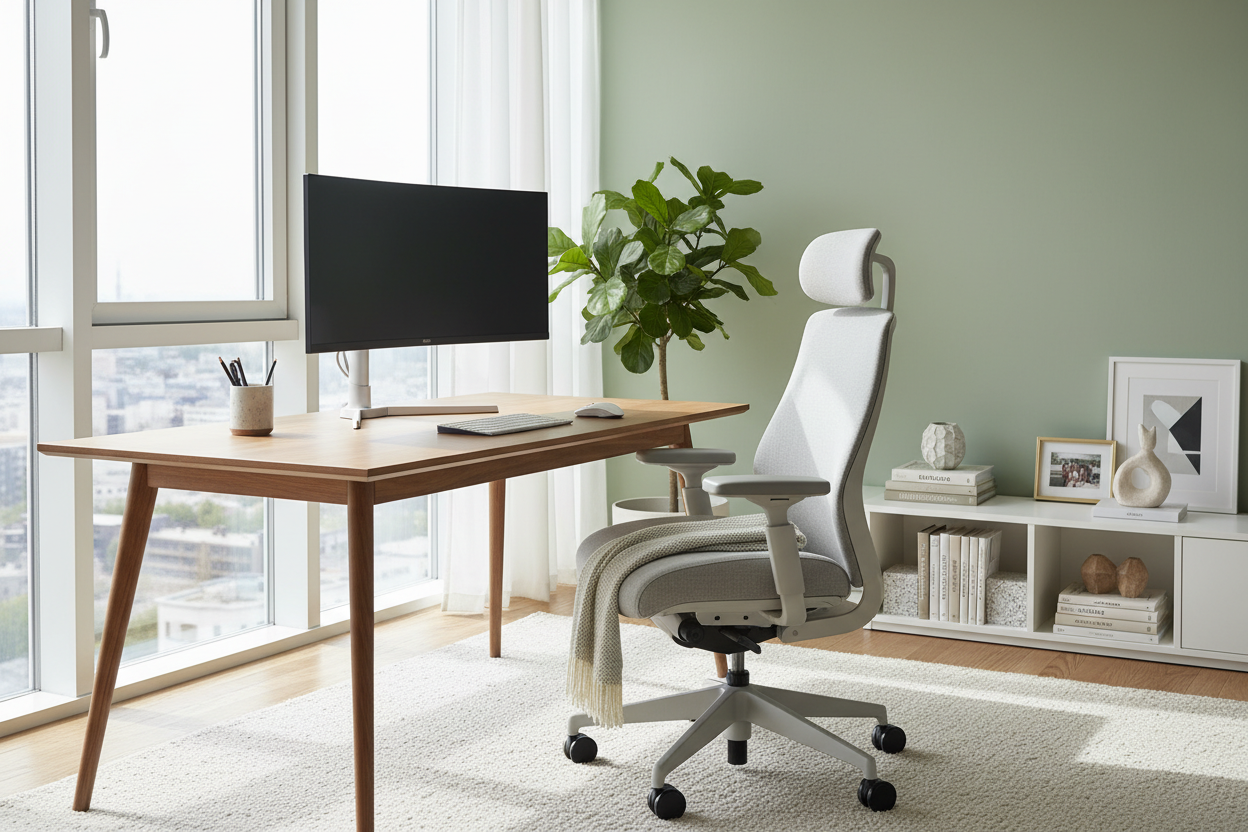
When clients walk into my studio, they often vent a common frustration: they feel uninspired, fatigued, or physically uncomfortable in their own houses. They ask me, do you like work from home? My answer is always the same: I love it, but only because I treat my home office with the same reverence as a high-end corporate headquarters. The truth is, if you dislike the experience, the problem often isn't the job—it's the interior architecture and furniture selection surrounding you.
Quick Decision Guide: The Essentials of WFH Design
Before investing in new pieces, evaluate your space against these critical pillars. This checklist separates a makeshift desk from a professional workspace:
- Ergonomic Integrity: Does the chair offer adjustable lumbar support and seat depth? Static chairs lead to fatigue within two hours.
- Material Tactility: Avoid cold glass or cheap laminates. Opt for solid wood (walnut or oak) or high-grade veneers that offer warmth and reduce visual glare.
- Lighting Layers: Ensure you have a mix of ambient (overhead), task (desk lamp), and natural light to reduce eye strain.
- Spatial Zoning: Can you physically or visually separate the 'work zone' from the 'living zone'? This is crucial for mental boundaries.
Defining the Experience: What is it Like Working From Home?
To understand how to design for this lifestyle, we must ask: what is working from home like when done correctly? It is a balance of autonomy and discipline. However, without design intervention, it can feel like living in a messy cubicle. Employees want to continue working from home because of the flexibility, but that flexibility requires a rigid design structure to function.
In high-end residential design, we focus on "visual quiet." Clutter and poor cable management create subconscious stress. When considering what is it like to work from home in a luxury setting, imagine concealed storage, hidden charging stations, and a silhouette that looks beautiful even when the laptop is closed.
Is Your Furniture Investment Worth It?
Many homeowners wonder, are work from home jobs worth it if you have to spend thousands on a setup? From a furniture specialist's perspective, the answer lies in longevity and health. Can you really work from home on a dining chair? Physically, yes. But over time, the lack of ergonomic support will cost you more in chiropractic bills than a Herman Miller or Steelcase chair would cost upfront.
Selecting the Desk: Material Matters
The surface you touch for eight hours a day defines the experience. I often steer clients away from high-gloss finishes. While they look sleek in a showroom, they are magnets for fingerprints and reflect overhead lighting, causing glare on video calls. Instead, look for matte-finished solid woods or nano-texture laminates (like Fenix) that absorb light and feel soft to the touch.
The Chair: Function Meets Aesthetic
The best part of working from home is that you aren't forced to use a generic black mesh chair. However, be wary of "accent chairs" masquerading as office furniture. A velvet tub chair might look stunning, but does it support your spine's natural S-curve? Look for chairs with a synchro-tilt mechanism wrapped in high-performance fabric or semi-aniline leather. This bridges the gap between commercial durability and residential style.
Navigating the Layout: How is Working From Home Sustainable?
If you are asking "how is working from home going to work in my small apartment?", the answer is verticality. In smaller footprints, we utilize floating shelves and wall-mounted desks to keep the floor plan open. If you have a dedicated room, position your desk to face the door (the "command position"). This reduces subconscious anxiety and provides a better backdrop for video calls, answering the curiosity of colleagues wondering what working from home is really like for you.
My Personal Take on Do You Like Work From Home
I want to share a candid lesson from my own renovation. When I first transitioned to a full-time home studio, I bought a vintage mid-century modern teak desk. It was aesthetically perfect—a true focal point. However, I didn't account for the apron (the drawer height) underneath.
For six months, I couldn't cross my legs, and my ergonomic chair arms kept banging into the wood, chipping the finish. I realized that i am work from home for the long haul, and aesthetics cannot trump anthropometrics. I eventually swapped it for a sit-stand desk with a solid walnut top. The lesson? Measure the clearance space between your thighs and the desk bottom. If you don't, no amount of beautiful styling will make the workday comfortable. That specific frustration taught me to prioritize clearance over vintage charm every single time.
Conclusion
So, do you work from home or are you just surviving in it? Transforming your workspace isn't just about buying furniture; it's about curating an environment that respects your workflow and your body. When you invest in the right materials, lighting, and layout, you stop asking what's it like working from home and start enjoying the privilege of a space designed just for you.
Frequently Asked Questions
1. How do I separate work from life in a small space?
Use area rugs to define the "office" zone visually. Additionally, lighting is key—switch to warmer, dimmable lighting after work hours to signal to your brain that the workday is over.
2. Are expensive ergonomic chairs really necessary?
Yes. If you are sitting for more than 4 hours a day, an ergonomic chair is a health tool, not just furniture. Look for 5-point bases and adjustable armrests.
3. What is the best desk depth for a home office?
Ideally, aim for a depth of 30 inches (approx. 76cm). This allows enough distance between your eyes and the monitor to prevent strain, while leaving room for a keyboard and documents.


Leave a comment
This site is protected by hCaptcha and the hCaptcha Privacy Policy and Terms of Service apply.