










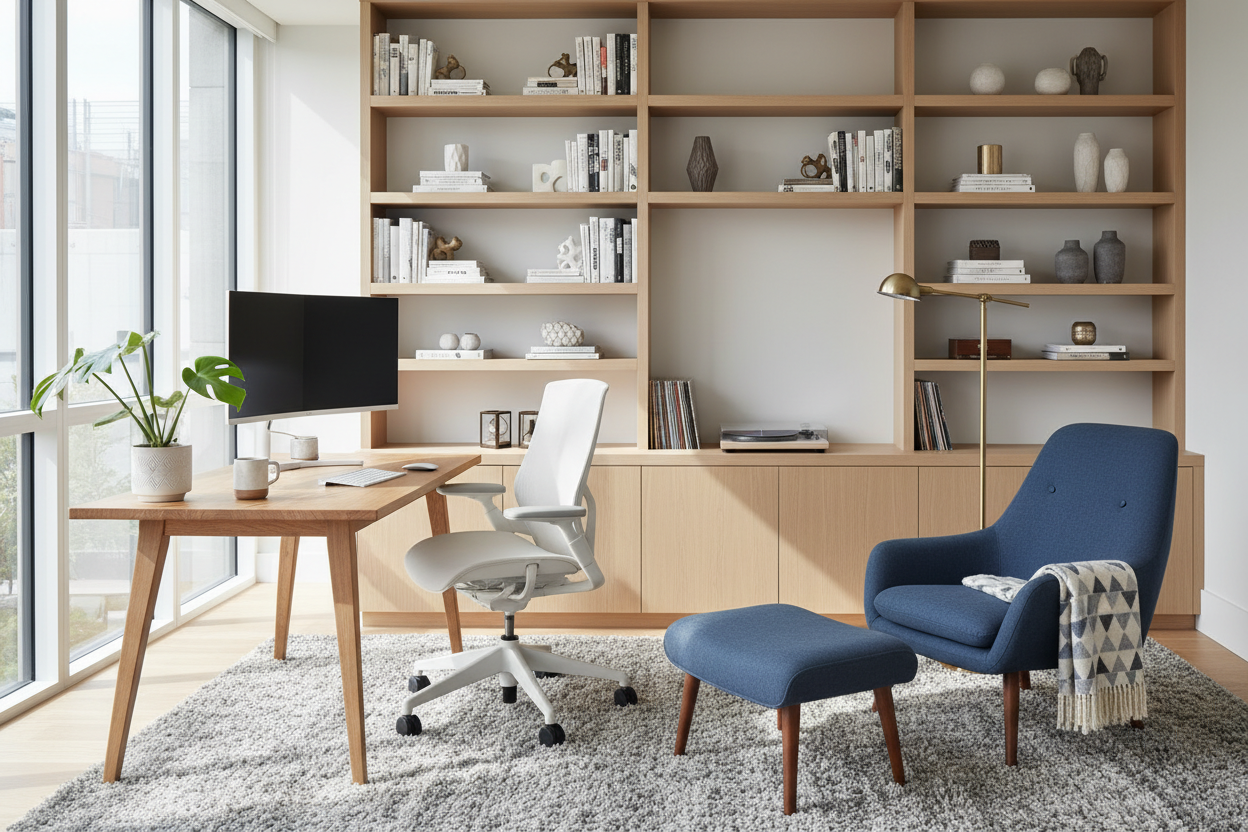
The era of the makeshift dining table desk is officially over. As we settle into a permanent hybrid lifestyle, the distinction between professional productivity and personal sanctuary has blurred. The challenge isn't just finding a quiet corner; it is about curating an environment where the concept of work for us from home transitions from a necessity into a sophisticated design statement. As an interior designer, I see too many professionals sacrificing aesthetics for utility, or vice versa, resulting in disjointed spaces that hamper focus.
Quick Decision Guide: The Essentials
- Ergonomics First: Prioritize chairs with lumbar support and adjustable seat depth over purely sculptural accent chairs.
- Lighting Layers: Combine ambient overhead lighting with focused task lighting (2700K-3000K temperature) to reduce eye strain.
- Material Durability: Opt for hardwoods (walnut, oak) or high-pressure laminates for surfaces that endure daily wear; avoid soft pine.
- Acoustic Control: Incorporate textiles like wool rugs or upholstered panels to dampen echo during calls.
Defining the Zone: Layout and Flow
When designing for home based jobs in usa contexts, where square footage is often at a premium, spatial planning is paramount. The goal is to create a "command position"—a Feng Shui principle where your desk faces the door but isn't directly in line with it. This establishes a sense of security and authority.
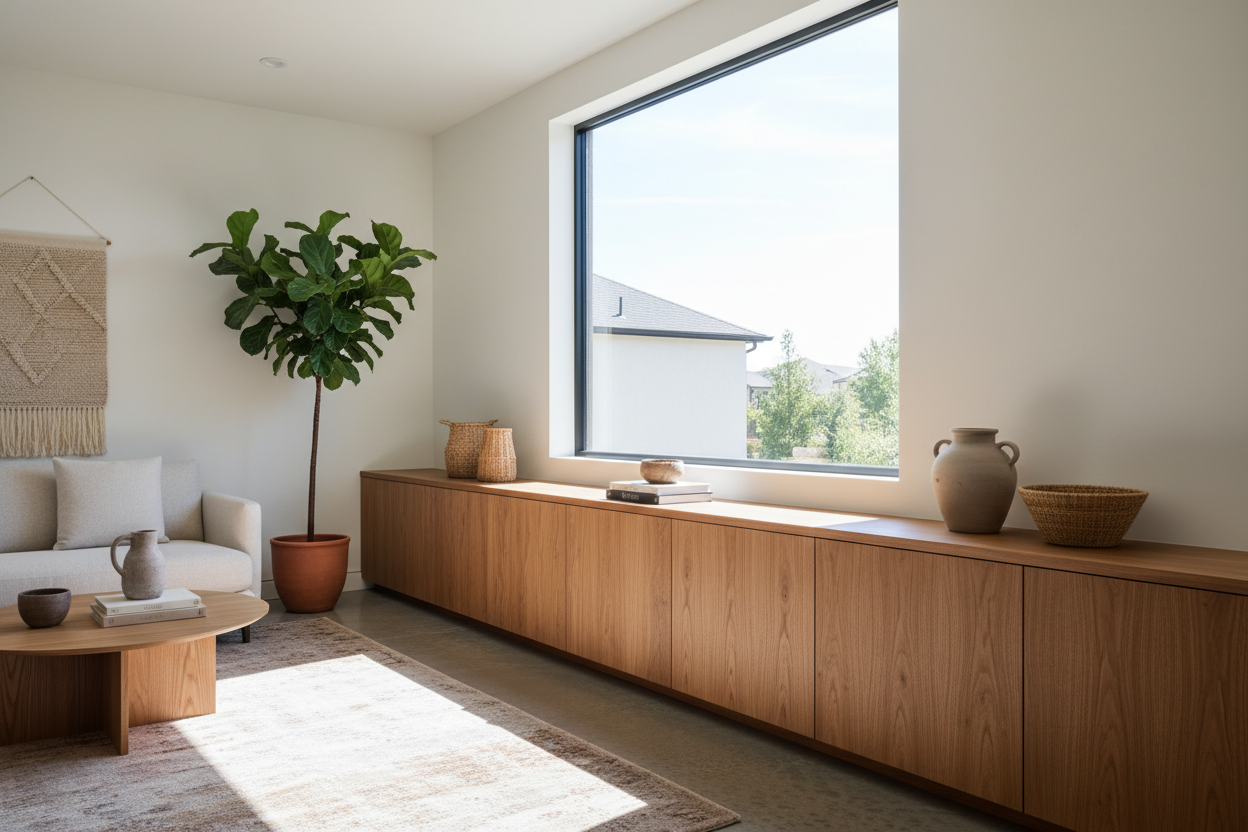
If you lack a dedicated room, use visual zoning. A high-pile area rug can psychologically separate the "office" from the living area. Floating a desk behind a sofa is another sophisticated way to integrate a workspace without disrupting the room's primary focal point.
Materiality and Texture: Choosing the Right Desk
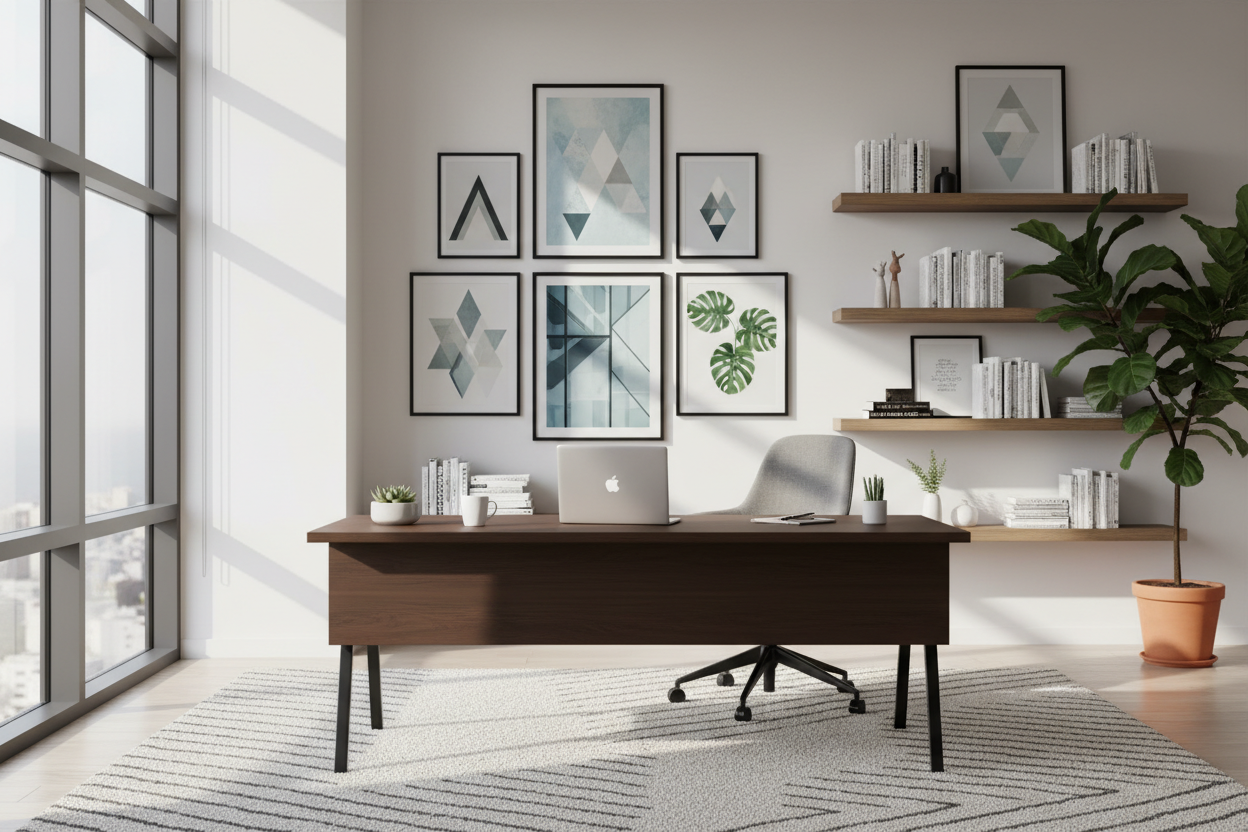
The surface you touch for eight hours a day matters. For executives handling high-stakes usa home based jobs, I often recommend solid walnut or white oak. These materials age beautifully and can be refinished. However, be wary of open-pore finishes if you write manually often, as the texture can interrupt pen strokes.
Glass desks, while visually lightweight and excellent for small spaces, can feel cold and clinical. If you choose glass, pair it with warmer textures like a leather desk pad or a boucle chair to soften the visual hardness.
Seating: The Balance of Silhouette and Support
The most common mistake I see is buying a chair solely for its silhouette. While a mid-century modern bucket chair looks stunning in a portfolio, it is disastrous for long-term home based assignments. Look for "hidden ergonomics"—chairs that offer tilt tension and height adjustment but are upholstered in residential fabrics like performance velvet or linen, rather than standard office mesh. This maintains the residential integrity of your home while supporting your posture.
Lighting: The Invisible Design Element
Poor lighting is the silent killer of productivity. Avoid relying on a single overhead fixture, which casts unflattering shadows (the dreaded "raccoon eyes" on video calls). Layer your lighting. Start with general ambient light, add a localized task lamp with an articulating arm for paperwork, and consider accent lighting, such as LED strips behind a monitor or bookshelf, to reduce contrast glare.
Lessons from My Own Projects: The "Invisible" Clutter Mistake
I want to share a specific lesson from a project I designed last year for a client transitioning to a remote executive role. We selected a stunning, minimalist Parson’s desk in a high-gloss lacquer finish. It looked incredible in the photos.
However, within two weeks, the client called me in frustration. The high-gloss finish acted like a mirror, reflecting the overhead can lights directly into her eyes, causing migraines. Furthermore, because the desk had no drawers (to maintain that sleek line), her surface was constantly cluttered with cables and notepads, ruining the aesthetic we tried to achieve.
We swapped it for a matte-finished rift-sawn oak desk with integrated cable management and shallow drawer storage. The lesson? Matte finishes are far more forgiving of fingerprints and lighting glare, and "negative space" only works if you have a place to hide the mess.
Frequently Asked Questions
How do I fit a workspace into a small bedroom?
Utilize vertical space. Install wall-mounted shelving with a drop-down desk mechanism (a modern secretary desk). This allows you to physically close up shop when the workday ends, helping you mentally disconnect.
What is the best color for a home office?
Deep greens and blues (like Hale Navy or Hunter Green) are excellent for focus and reducing glare. If you prefer neutrals, choose warm greys (greige) rather than stark white, which can feel too sterile for a home environment.
Is a standing desk worth the aesthetic compromise?
Absolutely, but you don't have to compromise. Many high-end manufacturers now offer standing desk mechanisms concealed within solid wood tops or customizable bases that match residential furniture styles.

Leave a comment
This site is protected by hCaptcha and the hCaptcha Privacy Policy and Terms of Service apply.