











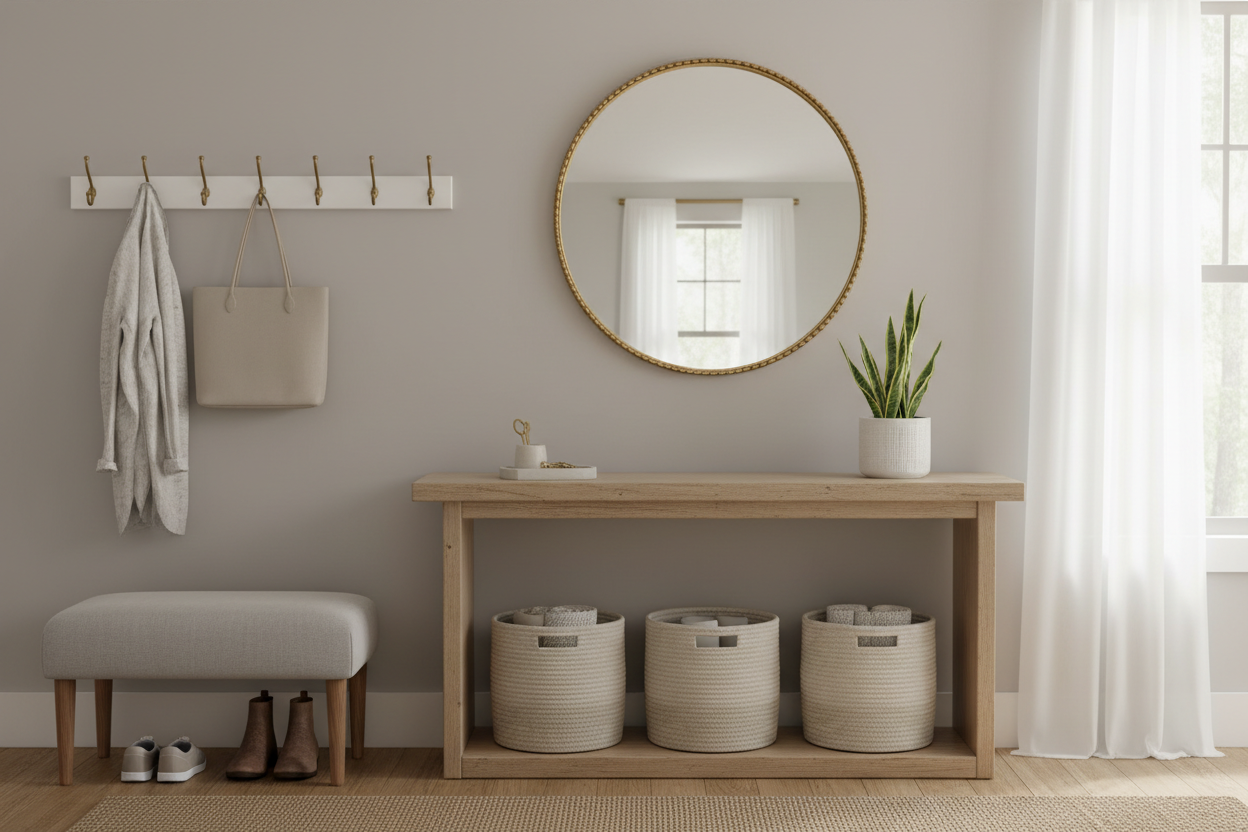
The moment you step through your front door sets the tone for the rest of your home. It creates that immediate feeling of relief or, if the space is cluttered, a sudden spike in stress. The entryway is notoriously difficult to manage because it serves as the primary transition point between the chaotic outside world and your personal sanctuary. If you find yourself constantly tripping over shoes or losing your keys within minutes of walking in, the solution usually isn't just "being tidier." The solution is having the right furniture to handle the load.
An effective landing strip requires a dedicated piece of furniture that anchors the space while swallowing up the daily mess. It isn't enough to just have a table; you need enclosed spaces to hide the visual noise. This is where a well-chosen console or cupboard transforms a hallway from a dumping ground into a functional design statement. By selecting a piece with specific compartments for mail, footwear, and accessories, you reclaim your floor space and your sanity.
The Reality of Entryway Clutter
I learned the hard way that open shelving in a hallway is a recipe for disaster. For years, I relied on a simple open bench. In theory, it looked airy and welcoming. In practice, it became a mountain of mismatched sneakers, dog leashes, and unopened bills that everyone could see immediately upon entering. It wasn't until I swapped it out for a substantial piece with doors that the space finally felt calm. Being able to close a door on the chaos is a psychological win that shouldn't be underestimated.
When assessing your own space, look at what actually accumulates. If your primary issue is paper clutter and small loose items like sunglasses and wallets, prioritizing an entrance cabinet with drawers is essential. These shallow compartments act as the perfect filter for pockets. Instead of dumping keys on a surface where they can be knocked behind a table, a drawer gives them a permanent home. It separates the "active" items you need tomorrow from the general storage, keeping the surface clear for decorative touches like a lamp or a vase of flowers.
Choosing the Right Aesthetic for Narrow Spaces
Hallways and foyers are often the darkest, narrowest parts of a house. This architectural reality makes furniture selection tricky. You want storage, but you don't want the area to feel like a cave. This is why material and color selection play such a massive role in how the room feels.
For tighter corridors lacking natural light, an entryway storage cabinet white in color is often the smartest move. White or light cream surfaces reflect whatever ambient light exists, making the cabinet appear less bulky than a dark wood alternative. A white finish helps the piece blend into the walls rather than dominating the walking path, allowing you to maximize storage volume without shrinking the visual footprint of the room. It creates a crisp, clean backdrop that makes the space feel intentionally designed rather than accidentally cluttered.
However, if your style leans more toward the industrial or modern farmhouse vibe, you might find solid doors too heavy or blocky. A rising trend that bridges the gap between open and closed storage is the cage entryway cabinet. These pieces typically feature metal mesh or wire grid doors. They offer a unique advantage: they provide the structure of a cabinet but the visual lightness of open shelving. You can see the silhouette of what is inside without the mess being fully exposed. It adds texture and interest to the foyer without blocking the visual flow, making it an excellent choice for apartments or lofts where every square inch of visual depth counts.
Heavy Duty Storage Solutions
Sometimes, a simple console table just won't cut it. Large families or households with pets often require a foyer cabinet with storage capabilities that rival a small closet. If you are dealing with backpacks, heavy winter coats, and muddy boots, you need a robust unit with adjustable internal shelving. The goal here is to keep the floor completely clear.
Look for taller units or deeper sideboards that can accommodate bins or baskets behind closed doors. This allows you to categorize items by family member or by season. A deep entranceway cabinet can hide a surprising amount of gear. You might designate the bottom shelf for shoes, the middle for bags, and the top for seasonal accessories like scarves and hats. When the doors are shut, the hallway looks pristine, regardless of the jumble of items sitting just inches away behind the wood.
Balancing Function with Decor
Once you have the storage sorted, the surface of your cabinet becomes a prime styling opportunity. This is the spot to inject personality. Since the "ugly" items are hidden away in drawers or behind doors, the top surface can be kept minimal. A large mirror hung above the cabinet is a classic trick to expand the space and check your appearance before leaving. A tray for mail (that you actually sort through daily) and a small dish for loose change can keep the flat surface functional without letting it descend into chaos.
Lighting is the final piece of the puzzle. If your cabinet is in a dark corner, a small table lamp or a pair of sconces flanking the mirror can make the entry feel warm and inviting. It shifts the focus from the utility of the storage to the ambiance of the home. The furniture does the heavy lifting of organization, allowing the decor to do the work of welcoming you home.
Maintaining the System
Even the best furniture cannot fix bad habits forever. The key to making these cabinets work long-term is a weekly reset. Friday afternoons or Sunday evenings are great times to open those drawers and clear out the receipts, file the mail, and put the shoes back in the closet if the cabinet is overflowing. The furniture gives you the tool to be organized, but the routine is what keeps the entryway serene.
Frequently Asked Questions
How deep should an entryway cabinet be to fit shoes properly?
To store shoes flat, you generally need a depth of at least 13 to 15 inches. If you have a narrower hallway, look for cabinets with "tip-out" drawers where shoes are stored vertically, which can reduce the required depth to as little as 10 inches.
Can I use a sideboard or buffet as an entryway cabinet?
Absolutely. Dining room buffets are often excellent choices for large foyers because they offer a mix of drawers and deep shelving. Just ensure the height is comfortable for dropping keys and mail as you walk in, usually around 30 to 36 inches high.
How do I prevent odors in a closed shoe cabinet?
Ventilation is key for enclosed shoe storage. Look for cabinets with slatted doors, mesh fronts, or cutouts in the back panel to allow air circulation. Alternatively, placing small sachets of activated charcoal or cedar inside the cabinet can help absorb moisture and neutralize smells.

Leave a comment
This site is protected by hCaptcha and the hCaptcha Privacy Policy and Terms of Service apply.