










The moment you walk through your front door, your home should feel like a sanctuary, not a hurdle course of discarded shoes, mail piles, and car keys. The entryway sets the tone for the rest of your living space. It is the handshake of your home, welcoming guests and signaling to your brain that the workday is over. Yet, this area is often the most neglected, becoming a dumping ground for daily clutter simply because it lacks the right infrastructure.
Finding the right furniture piece to anchor this space transforms it from a chaotic pass-through into a functional command center. Whether you are working with a sprawling mudroom or a narrow apartment hallway, the solution almost always lies in selecting the right cabinetry. It isn't just about aesthetics; it is about reclaiming your sanity one square foot at a time.
The Reality of Entryway Clutter
I learned the hard way that an open console table is rarely enough for a high-traffic home. In my first apartment, I bought a beautiful, spindly table that looked great in the catalog. Within a week, the space underneath was a mountain of sneakers, and the top was buried under junk mail. I realized then that I didn't need a display surface; I needed a workhorse. I needed containment.
That experience shifted my perspective entirely. If you have a busy household, open shelving often just frames the mess. Closed storage is the secret weapon of organized people. It allows you to sweep the visual noise away behind a solid surface, leaving the room feeling serene regardless of what lies behind the cabinet doors.
Assessing Your Space Constraints
Before falling in love with a piece of furniture, get the tape measure out. The depth of the unit is usually the biggest dealbreaker. In a narrow hallway, a standard 18-inch deep cabinet might block the flow of traffic. You generally want at least 36 inches of clearance for a comfortable walkway.
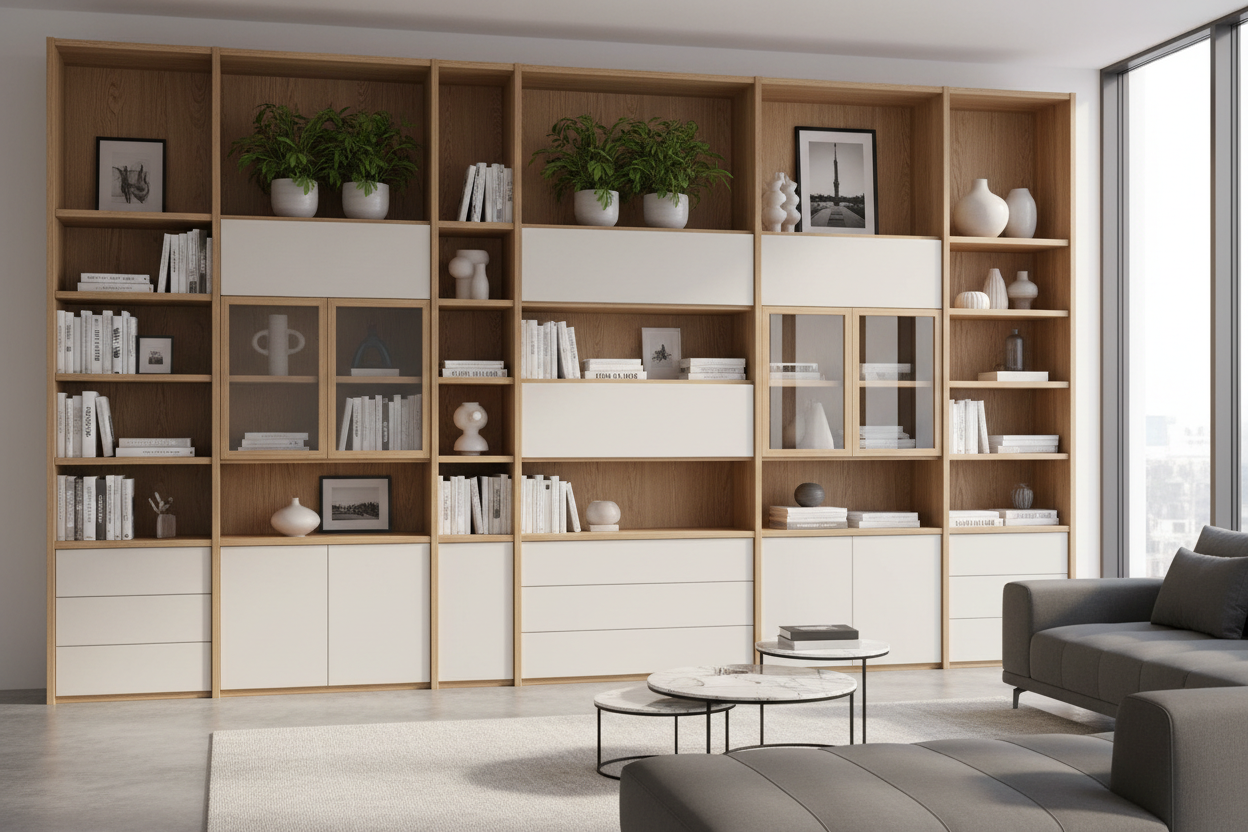
If you are blessed with a grand foyer or a dedicated mudroom, a large entryway cabinet can serve as a stunning focal point. These substantial pieces can mimic the look of built-ins and offer immense storage capacity for winter coats, backpacks, and bulkier items. They anchor the room and prevent the space from feeling cavernous and empty.
However, for the vast majority of us, floor space is premium currency. This is where the hunt for a small entryway storage cabinet begins. The goal here is to maximize vertical space while keeping the footprint minimal. Shallow cabinets, sometimes as narrow as 10 to 12 inches, can hug the wall tightly while still providing enough room to store shoes stored at an angle or everyday essentials.
The Magic of Doors
Visual clutter causes mental fatigue. When you come home, seeing a row of mismatched shoes or a stack of dog walking gear can immediately spike your stress levels. This is why I almost always recommend a small entryway cabinet with doors over open shelving units. Doors are forgiving. They allow you to be imperfect.
With a doored cabinet, you can assign specific shelves to family members. One shelf for the kids' school gear, one for outdoor accessories, and the bottom for shoes. When company arrives unexpectedly, you can simply close the doors, and the mess vanishes. Look for cabinets with adjustable shelving inside. This flexibility allows you to customize the interior to fit tall boots in the winter or stackable bins in the summer.
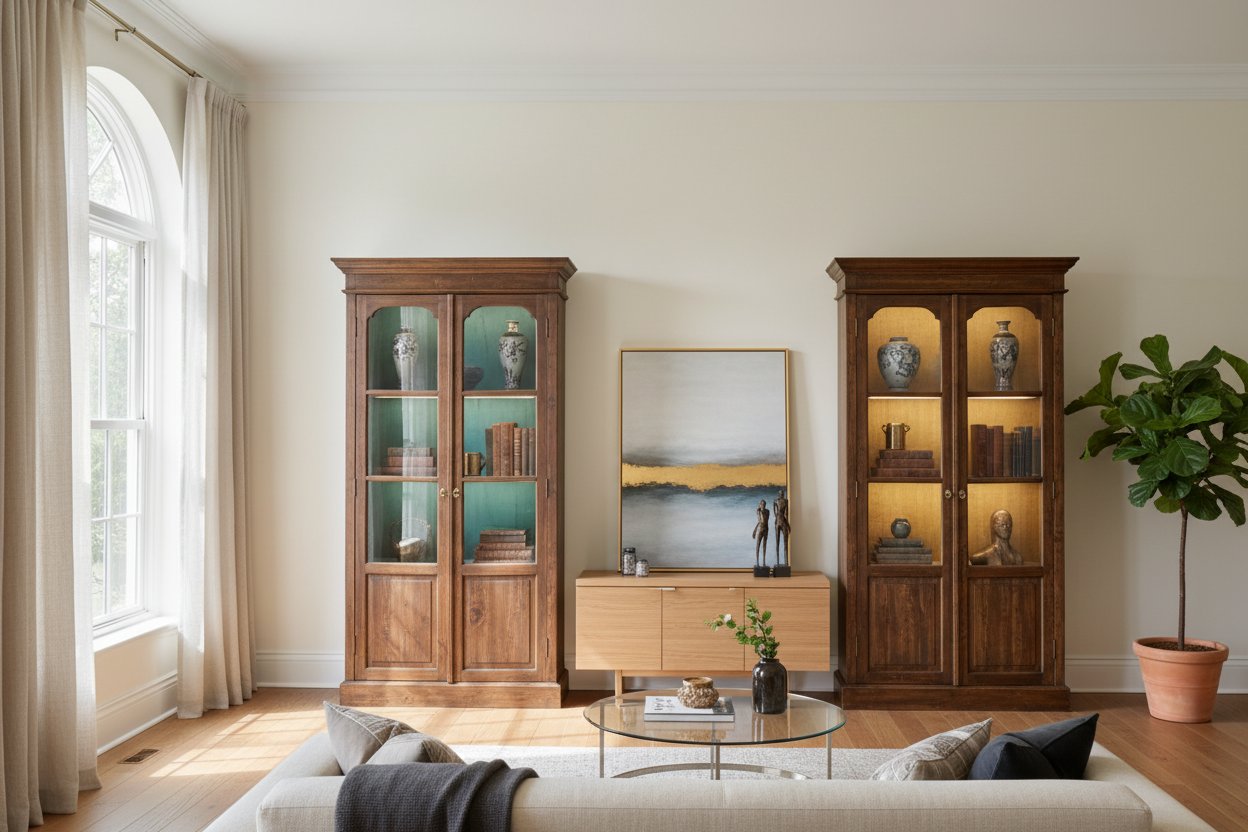
Style-wise, solid doors offer the cleanest look, while glass doors require you to keep the interior tidy. If you choose glass, consider using matching baskets inside to maintain that uniform, organized aesthetic without having to perfectly align every item every single day.
The Necessity of Drawers
While doors hide the bulk, drawers manage the minutiae. Think about the items you drop the second you walk in: keys, sunglasses, wallets, lip balm, and loose change. Without a designated spot, these items migrate to the kitchen counter or the dining table. A small entryway cabinet with drawers acts as a catch-all for these small but essential items.
When shopping, test the drawer glides. Since this is a piece of furniture you will use multiple times a day, smooth functionality is non-negotiable. A cabinet that combines both features—a top row of drawers for small items and doors below for larger storage—is often the "goldilocks" solution for most homes. It separates the tiny items that get lost easily from the bulky items that take up space.
Creative Solutions for Tight Squeezes
If a standard cabinet feels too bulky, look for "shoe tipping" cabinets. These are a specific breed of small entryway storage cabinets that are incredibly slim, often protruding only 6 to 9 inches from the wall. Instead of standard doors, the compartments tilt out. While designed for shoes, they are surprisingly effective for storing scarves, gloves, and mail in tight corridors where a swinging door would hit the opposite wall.
Styling Your Entryway Cabinet
Once you have the storage function sorted, the fun part begins. The top of your cabinet is a prime design real estate. Since the cabinet is handling the heavy lifting of storage, the top surface should remain relatively clear to maintain that open, airy feel.
Start with a mirror hung above the cabinet. Mirrors reflect light, making a small or dark entryway feel twice as big. Plus, everyone appreciates a last-looks check before heading out the door. Add a lamp for warm, welcoming ambient lighting—overhead lights can often feel too harsh for an evening return home.
Use a decorative tray to corral the few items that live on top of the surface. A tray makes loose items look intentional rather than accidental. A small plant or a vase of flowers adds life and connects the indoors with the outdoors. The goal is to balance functionality with personality.
Material Matters
Entryways take a beating. They are high-traffic zones exposed to wet umbrellas, muddy boots, and heavy grocery bags. Durability should be a key factor in your decision. Solid wood or high-quality metal cabinets will generally outlast particle board, which can swell if exposed to moisture from wet shoes.
If you choose a painted finish, ensure it is easy to wipe down. A high-gloss or semi-gloss finish is often more practical than a matte finish, which can show scuff marks and fingerprints more easily. For households with pets or kids, a distressed wood finish is a smart choice as it camouflages the inevitable dings and scratches that occur over time.
Ultimately, the best cabinet is one that fits your specific lifestyle. Don't buy a piece just because it is trendy; buy it because it solves your specific clutter problems. Whether you need a massive unit for a family of five or a petite chest for a studio apartment, the right storage turns your entry from a chaotic drop zone into a welcoming introduction to your home.
Frequently Asked Questions
How deep should an entryway cabinet be?
For a standard hallway, a depth of 12 to 15 inches is ideal as it provides storage without obstructing the walkway. If you have a larger foyer, you can go up to 18 or 20 inches deep, but always ensure you have at least 36 inches of walking clearance in front of the cabinet.
Can I use a shoe cabinet for general storage?
Absolutely. Shoe cabinets, especially the tilting slim ones, are excellent for storing items other than footwear. They work perfectly for organizing mail, pet leashes, winter accessories like gloves and scarves, and even reusable grocery bags.
How do I mix open and closed storage in a small entryway?
A cabinet that features both drawers and a lower shelf offers a good balance. Use the drawers to hide clutter like keys and wallets, and use the open lower shelf for attractive baskets to hold shoes or blankets, keeping the look tidy but accessible.

Leave a comment
This site is protected by hCaptcha and the hCaptcha Privacy Policy and Terms of Service apply.