










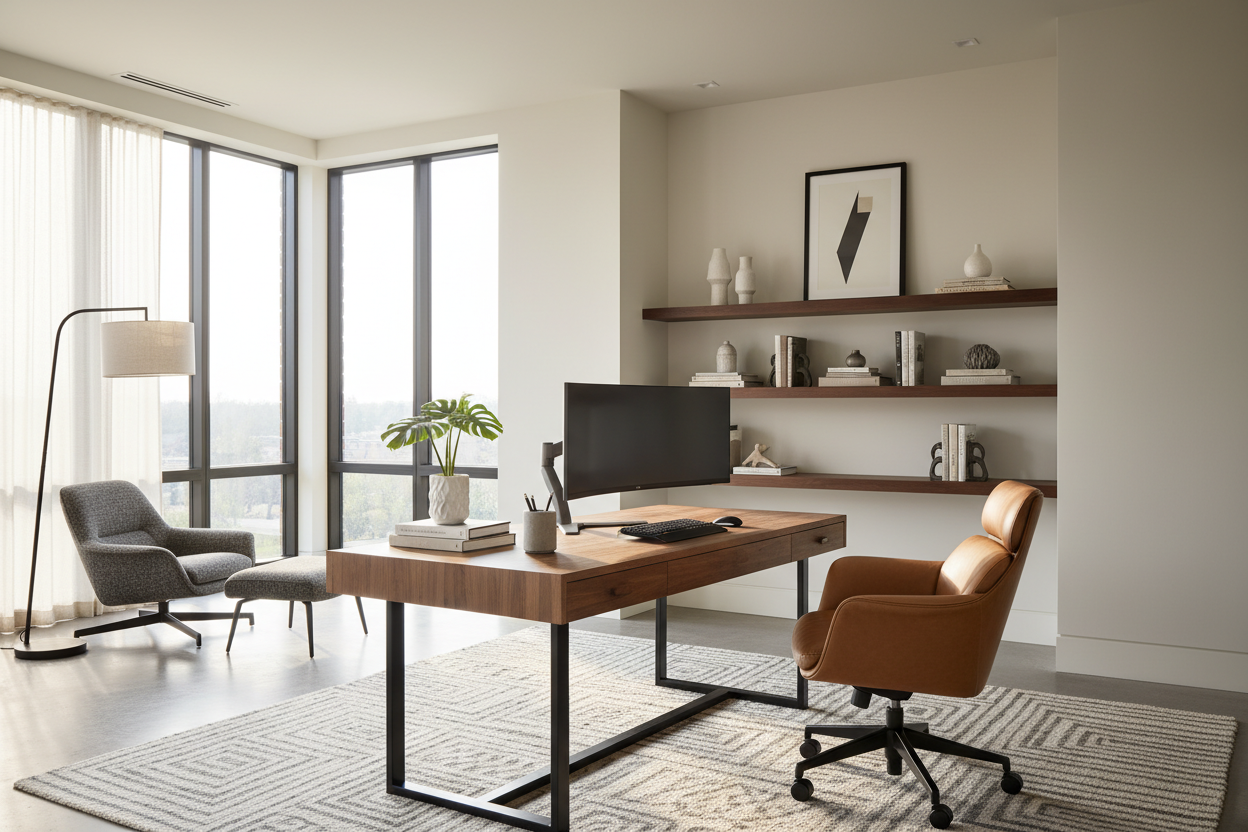
We have all spent hours scrolling through social feeds, saving image after image of desk setup inspiration, only to find that replicating those looks in our own homes feels disjointed. The disconnect usually isn't about budget; it is about the lack of a cohesive design narrative. A truly elevated workspace isn't just a collection of expensive peripherals; it is a careful orchestration of lighting, texture, and negative space. In this guide, I will walk you through how to translate those aspirational images into a functional, sophisticated reality.
Key Pillars of a Designer Workspace
Before purchasing furniture, consider these fundamental elements that define a professional-grade setup. This checklist ensures your space is both beautiful and functional:
- Visual Weight: Balance bulky items (like PC towers) with open space or lighter furniture legs to avoid a cramped look.
- Material Palette: Stick to three primary textures (e.g., walnut, matte black metal, wool felt) to maintain cohesion.
- Lighting Layers: distinct zones for ambient (room), task (desk lamp), and accent (bias lighting) illumination.
- Cable Architecture: Plan for cable management before placing the desk against the wall; concealment is key to the "clean" aesthetic.
Translating Setup Inspiration into Reality
Choosing the Anchor: The Desk Surface
The desk is the protagonist of your room. When looking for office desk setup inspiration, pay close attention to the depth of the surface. Standard writing desks are often 60cm (24 inches) deep, which is insufficient for modern monitor configurations. I always advise clients to aim for a depth of at least 80cm (31 inches). This provides ample room for your keyboard and creates necessary focal depth, preventing eye strain.
Regarding materials, consider the tactile experience. While glass looks sleek, it is cold to the touch and creates acoustic reflections. Solid wood or high-quality veneer offers warmth and dampens sound, contributing to a quieter, more focused environment.
The Art of Lighting and Ambiance
Lighting is what separates a sterile cubicle from a luxury studio. Avoid relying solely on overhead ceiling lights, which cast unflattering shadows. Instead, look for desk setup inspo that utilizes a "monitor light bar." These devices illuminate your working zone without creating screen glare. Pair this with a warm bias light behind your monitor (around 2700K to 3000K) to reduce contrast between the bright screen and the dark room, significantly lowering eye fatigue during late-night sessions.
Ergonomics Meets Aesthetics
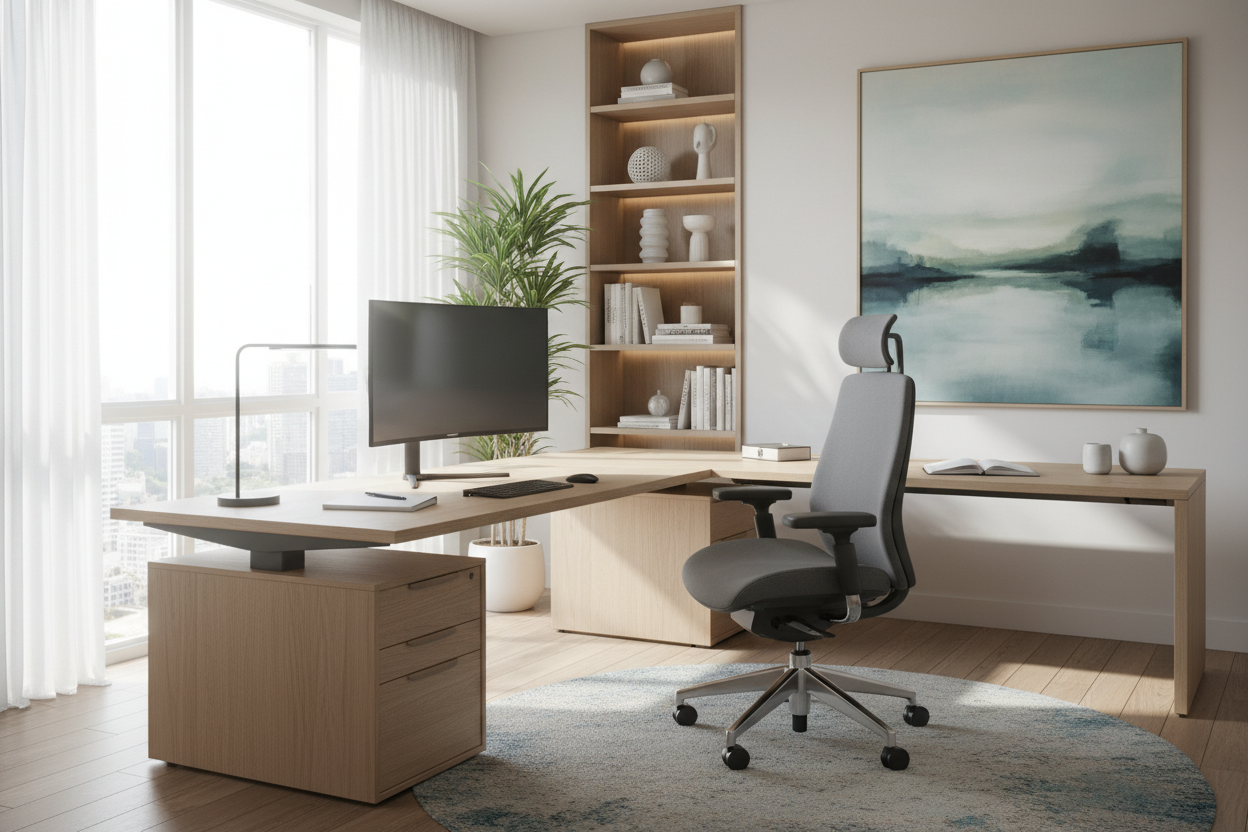
A common mistake in setup inspiration boards is the sacrifice of comfort for style. That mid-century modern bucket chair might look incredible, but it will ruin your lumbar spine after four hours. Look for high-end ergonomic chairs that offer customizable silhouettes—many premium brands now offer frames in light grey or white with varying mesh textures, allowing you to maintain a soft, airy palette without compromising on spinal support.
My Personal Take on Desk Setup Inspiration
I want to share a specific lesson from a project I worked on last year that you won't find in a brochure. I designed a stunning, all-black minimal setup for a software engineer. We used a matte black laminate desk and matte black peripherals. It looked incredible in photos—truly magazine-worthy.
However, two weeks later, the client called me. The issue? Dust and skin oils. The matte black finish, while visually striking, acted as a magnet for every speck of dust and showed every single fingerprint or oily smudge where his wrists rested. We had to swap the desk mat for a heather grey wool felt pad just to make the maintenance manageable. The lesson here is that "clean" aesthetics require materials that forgive the messiness of real life. Now, I always test a surface finish against fingerprints before recommending it for a high-traffic zone.
Conclusion
Creating a workspace that inspires you is about more than copying a picture; it is about understanding how you interact with your environment. By focusing on deep surfaces, layered lighting, and forgiving materials, you can build a space that looks curated and feels effortless. Don't just look for inspiration—engineer it.
Frequently Asked Questions
How do I make a small desk setup look less cluttered?
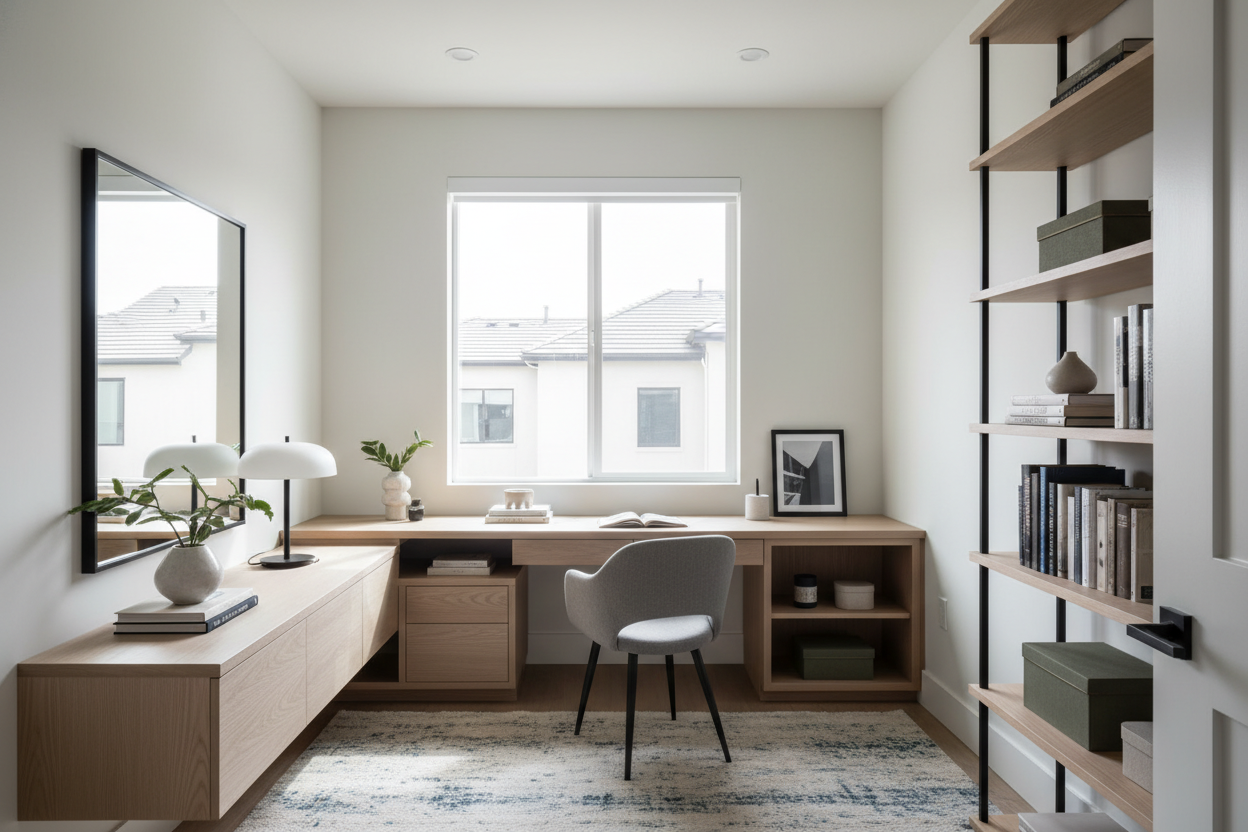
Utilize vertical space. Install a floating shelf above the monitor for decor, and use a monitor arm to lift the screen off the desk surface. This reclaims valuable square footage and creates an illusion of openness.
What is the ideal color temperature for a home office?
For daytime work, a cooler temperature (4000K-5000K) mimics daylight and promotes alertness. For evening work, switch to warmer tones (2700K-3000K) to help your brain wind down. Smart bulbs are an excellent investment here.
Is a solid wood desk worth the investment over laminate?
If budget allows, yes. Solid wood can be sanded and refinished if scratched, giving it a lifespan of decades. Laminate is durable but cannot be repaired once the surface is chipped or creates bubbles from moisture.

Leave a comment
This site is protected by hCaptcha and the hCaptcha Privacy Policy and Terms of Service apply.