










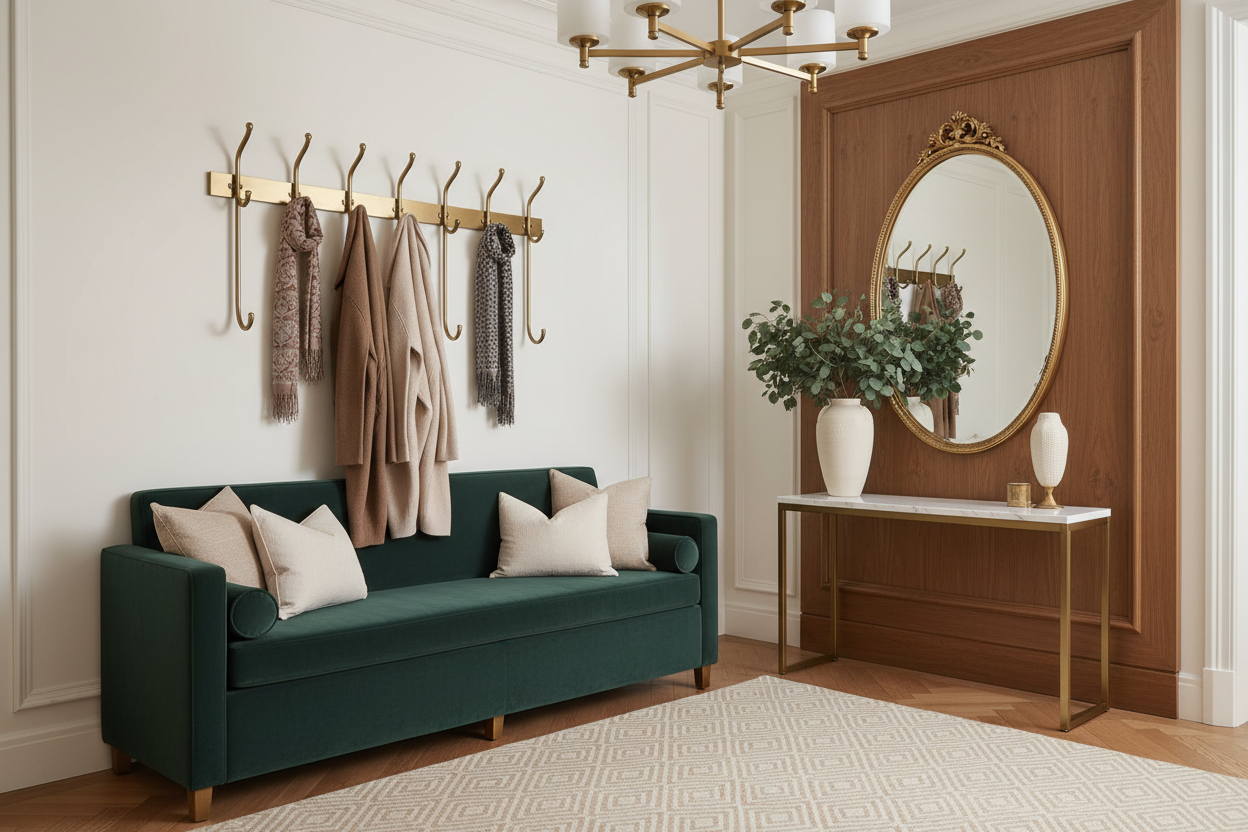
The foyer is the handshake of the home; it sets the tone for the rest of the interior narrative. Yet, for many clients I consult with, this area is a source of daily frustration rather than inspiration. The collision of high traffic and bulky outerwear often results in a chaotic pile-up that ruins the aesthetic of an otherwise curated home. The challenge lies in selecting entryway coat storage ideas that offer robust functionality without sacrificing architectural beauty.
Key Features to Look For
Before committing to a purchase or a custom build, review these critical factors to ensure your selection will stand the test of time and usage.
- Clearance & Flow: Ensure a minimum of 36 inches of walking path remains clear; sliding doors are preferable to swinging doors in tight corridors.
- Material Durability: Prioritize solid hardwoods (Oak, Walnut) or marine-grade plywood over standard particle board to resist moisture from wet coats.
- Ventilation: For closed cabinetry, look for louvered doors or rear ventilation slots to prevent mildew on damp outerwear.
- Visual Weight: In smaller spaces, choose units with raised legs or floating designs to expose more floor area, creating an illusion of space.
Balancing Form and Function in the Foyer
When curating a space, we must first address the architectural constraints. The goal is to integrate storage so seamlessly that it feels like part of the home's structure, rather than an afterthought.
The Psychology of the Drop Zone
Ergonomics play a massive role here. If a storage system is difficult to use, it won't be used. I often see ideas for entryway coat storage that rely on hangers behind closed doors. While visually clean, if you have children or a busy lifestyle, hooks are infinitely more practical. A luxury aesthetic can still be achieved with exposed hooks if you select heavy-weight brass or matte black hardware and mount them on high-quality millwork or a batten strip.
Materiality and Texture
Your choice of material dictates the longevity of the piece. Entryway furniture takes a beating. Veneers can chip when struck by umbrellas or heavy zippers.
I always advise clients to look for high-pressure laminates or solid wood faces for the high-contact areas. Ideally, incorporate a mix of textures. A bench with a performance velvet cushion softens the acoustics of the entry, while a timber backing for your coats adds warmth and protects the drywall from scuffs.
Optimizing Layouts for Visual Balance
The placement of your storage unit anchors the space. A common error is placing a tall, heavy armoire immediately next to the front door, which can create a "tunnel effect." Instead, try to recess storage into a niche if possible, or place the tallest element furthest from the entry point to allow the sightlines to open up as you walk in.
Lessons from My Own Projects
I want to share a specific realization I had while designing a mudroom for a family in a rainy climate. We installed a stunning, custom open-hook system directly onto a wall painted with a standard matte finish. It looked incredible in the photos.
However, three months later, I visited the site and noticed "burnishing"—shiny, dark streaks where wet wool coats and metal zippers had rubbed against the matte paint. It looked unkempt. The lesson? Never use matte paint behind an open coat rack. Now, whenever I implement open storage, I insist on either a durable wood panel backing or, at the very least, a high-scuff resistance eggshell or semi-gloss paint finish. It is a small detail that preserves the luxury feel of the entry for years.
Conclusion
Elevating your entryway requires a marriage of durable materials and thoughtful spatial planning. By choosing the right silhouette and finish, you turn a utility zone into a sophisticated design statement. Treat your coat storage not just as a bin for outerwear, but as a piece of furniture that defines your home's character.
Frequently Asked Questions
What is the ideal height for coat hooks?
For adults, the standard height is between 60 to 66 inches from the floor. This accommodates longer trench coats without them dragging. If designing for children, a secondary row at 36 to 48 inches allows them to hang their own gear, fostering independence.
Should I choose open hooks or a closed wardrobe?
This depends on your discipline level and space. Closed wardrobes offer the cleanest look, hiding visual noise (mismatched jackets). However, they require depth (usually 24 inches). Open hooks are better for narrow spaces and encourage quick usage but require you to keep the hanging items somewhat tidy.
How do I protect the bench seat fabric?
Entryway seating sees wet bags and dirty shoes. Avoid natural linens or cottons. Instead, opt for Crypton fabrics, solution-dyed acrylics, or high-quality faux leathers. These materials resist stains and can be wiped down easily while still looking high-end.

Leave a comment
This site is protected by hCaptcha and the hCaptcha Privacy Policy and Terms of Service apply.