










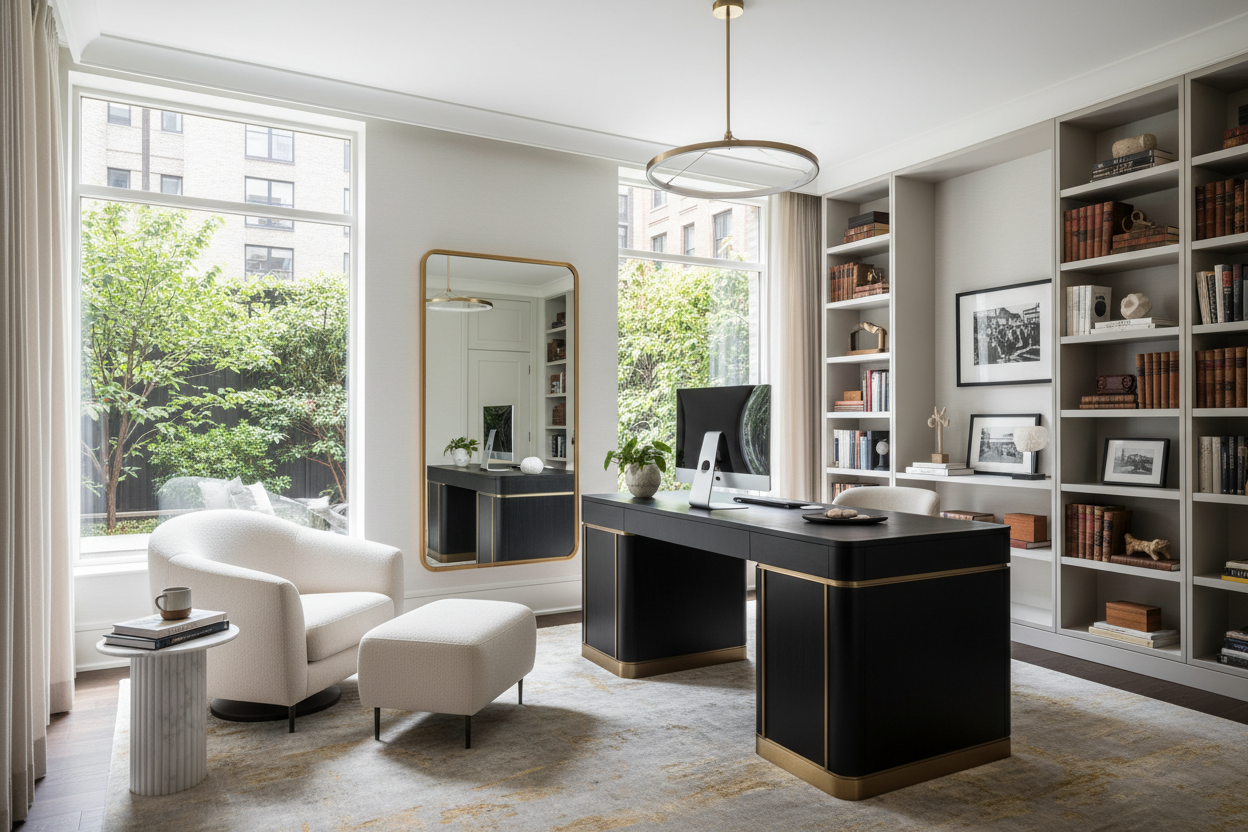
The boundary between professional obligation and personal sanctuary has dissolved. We are no longer just bringing laptops to the dining table; we are architecting spaces where the work of home integrates seamlessly with our lifestyle. The design dilemma is clear: how do you introduce ergonomic necessity without turning your curated living room into a sterile cubicle? When work is home, the aesthetic stakes are higher. This isn't just about a desk; it's about maintaining the visual integrity of your interior while accommodating the 9-to-5 grind.
Key Features to Look For
- Ergonomic Silhouette: Chairs that offer lumbar support without the bulky "executive" aesthetic.
- Material Continuity: Desk finishes that complement, rather than clash with, existing cabinetry or flooring.
- Acoustic Softening: Use of textiles (rugs, curtains) to dampen the echo of conference calls.
- Lighting Layers: A blend of ambient overheads and focused task lighting to reduce eye strain.
Defining the Zone: Layout and Flow
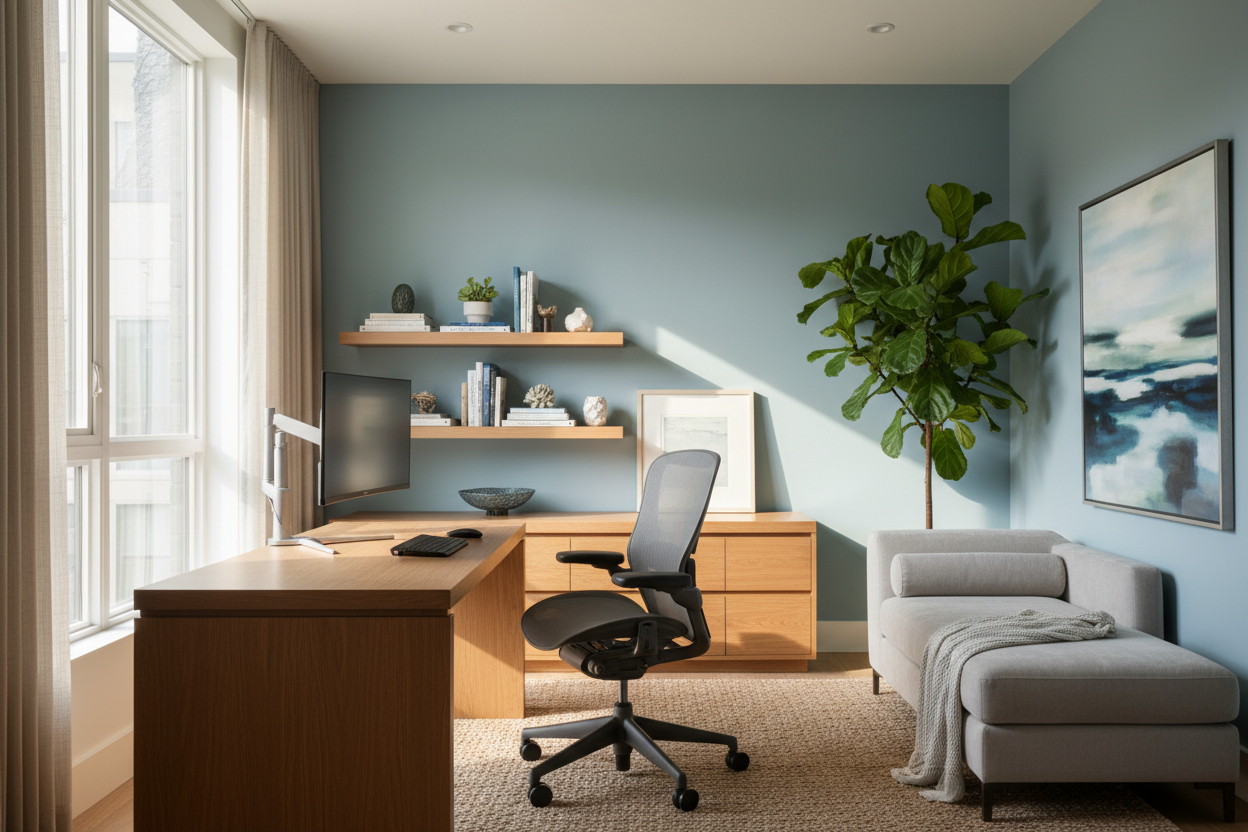
The most common error I see in residential planning is placing a desk purely based on where a plug socket exists. To truly master the wfh work from home dynamic, you must consider the "command position." Orient your desk so you face the room or a window, rather than staring at a blank wall. This reduces the subconscious feeling of confinement.
If you lack a dedicated room, use visual zoning. A high-pile wool rug can anchor the workspace, creating a psychological boundary that helps you switch from work to home modes instantly. The furniture placement should allow for fluid movement; ensure there is at least 36 to 48 inches of clearance behind your chair to prevent the space from feeling cramped.
Choosing Materials: Durability Meets Design
The Desk Surface
When you work on home office designs, the tactile experience is paramount. Solid wood offers warmth and longevity, but be wary of softwoods like pine which dent easily under the pressure of a ballpoint pen. I often steer clients toward hardwoods like oak or walnut with a matte polyurethane finish. This preserves the grain's beauty while protecting against the inevitable coffee spill.
The Seating Dilemma
Standard wfh setups often rely on mesh office chairs. While breathable, they rarely suit a sophisticated interior. Look for performance fabrics—crypton or high-grade leather—that offer the durability of office wear but the texture of lounge furniture. A chair with a mid-century modern silhouette often hides ergonomic mechanisms better than contemporary task chairs.
Lighting: The Invisible Architecture
Bad lighting ruins good design. Relying solely on recessed can lights creates harsh shadows that fatigue the eyes. Layer your lighting. Start with a warm ambient light (2700K-3000K), then add a directional task lamp with a CRI (Color Rendering Index) of 90 or higher. This ensures that fabrics and finishes look true to color and reduces screen glare.
My Personal Take on work of home
I learned a hard lesson about aesthetics versus utility in my own workspace. I fell in love with a vintage, unsealed teak desk—it was sculptural and stunning. However, after two weeks of my work from home routine, I realized the texture of the wood grain was interrupting my mouse tracking, and the unsealed surface was a magnet for oil from my wrists.
I didn't want to cover the wood with a plastic mat. My solution was a custom leather desk blotter in a cognac tan. It provided the smooth surface needed for precision work and actually elevated the look of the vintage piece. It taught me that in the work of home context, you should never buy a surface you haven't touched, tested, and considered for 40 hours of weekly contact.
Conclusion
Integrating a workspace into your residence doesn't mean sacrificing style for function. by selecting materials that age gracefully and prioritizing layout flow, you can create a space that inspires productivity without disrupting your home's peace. It is time to treat your workspace with the same design rigor as your living room.
Frequently Asked Questions
Q: How do I hide monitors when the workday is over?
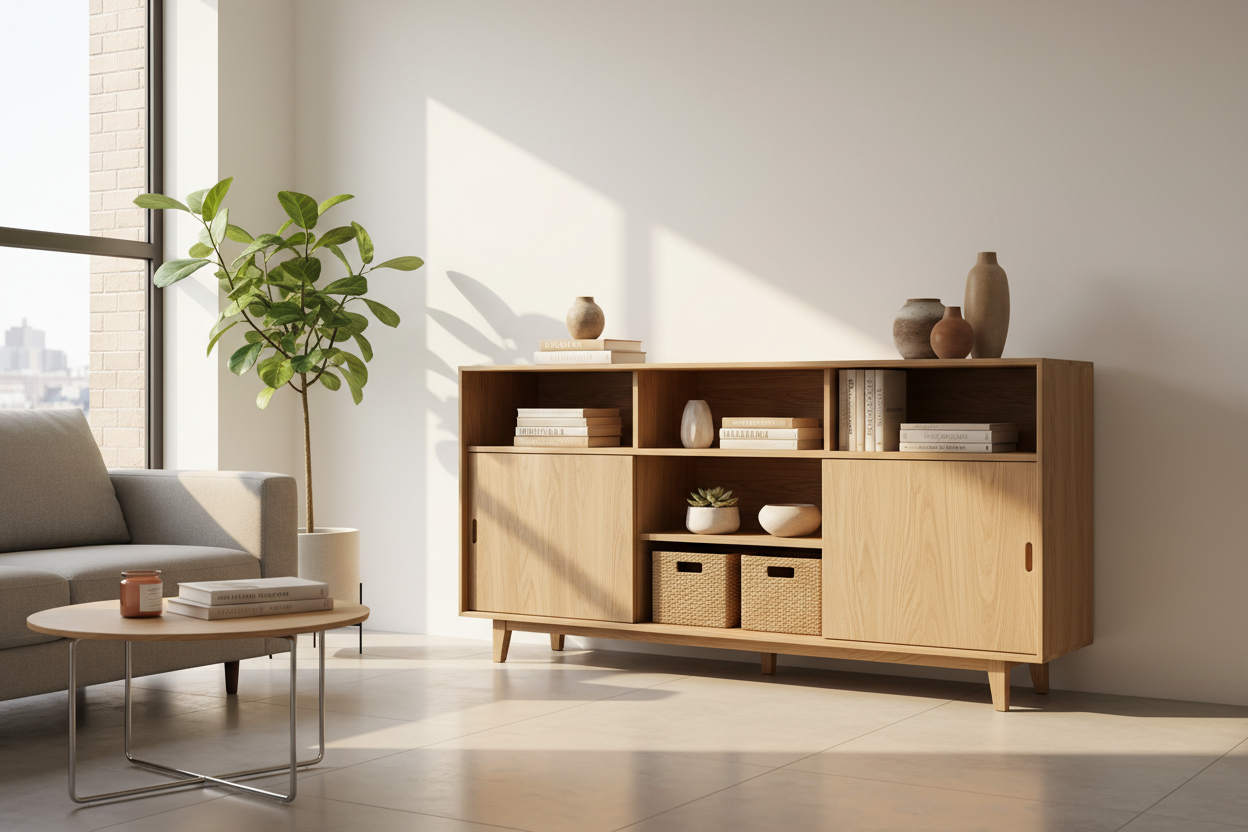
A: Consider a secretary desk with a fold-down front or a cabinet with pocket doors. This allows you to physically close off the technology, aiding the mental transition back to personal time.
Q: Is a standing desk worth ruining the aesthetic?
A: You don't have to ruin the aesthetic. Look for standing desks with solid wood tops and minimalist legs, or customizable frames that allow you to attach a custom stone or timber top that matches your other furniture.
Q: What is the best rug size for a desk area?
A: Ensure the rug is large enough that your chair remains on the rug even when you push back to stand up. Usually, a 5x7 or 6x9 rug is sufficient to ground the desk and chair as a single visual unit.

Leave a comment
This site is protected by hCaptcha and the hCaptcha Privacy Policy and Terms of Service apply.