










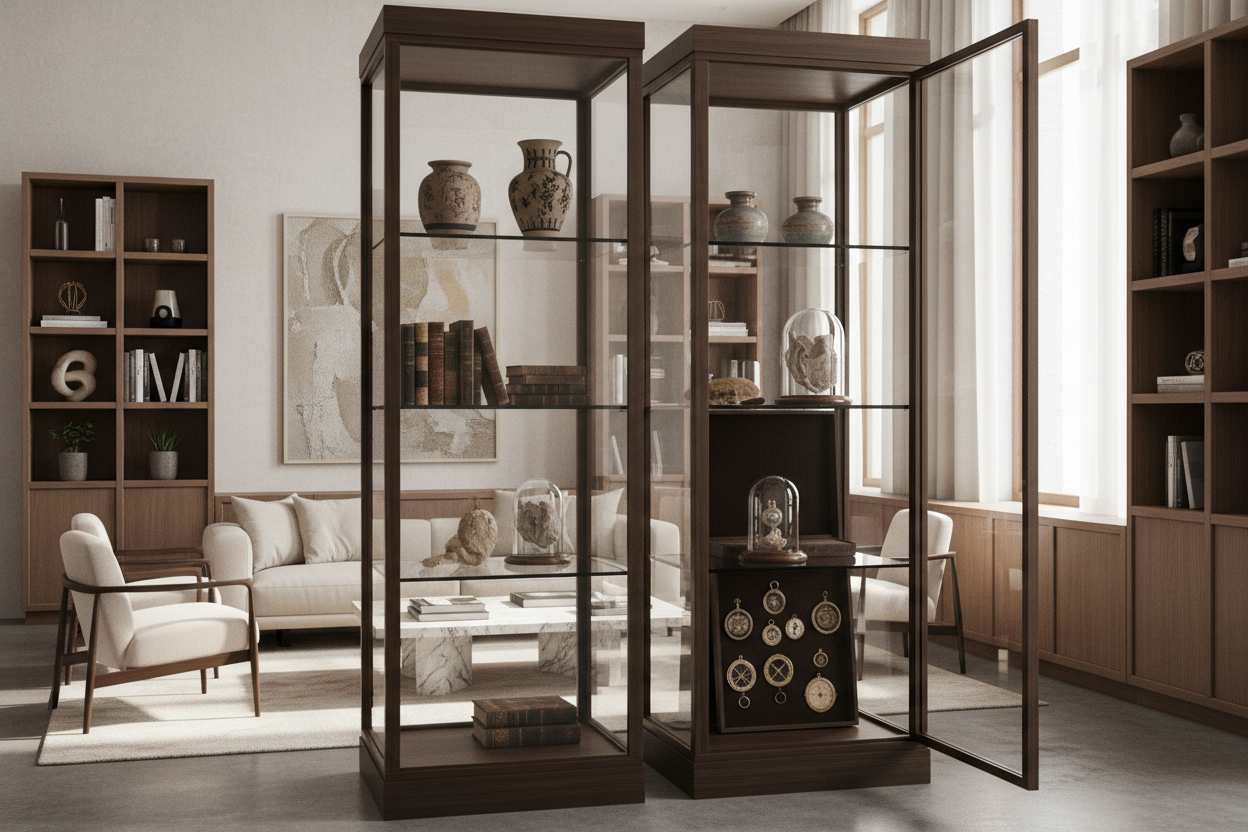
I used to think my vintage McCoy pottery collection was safe on a standard flat-pack bookshelf. Then I got a Labrador named Barnaby. One enthusiastic greeting later, I was on my hands and knees with a bottle of superglue, mourning a 1940s vase that survived the Blitz but couldn't survive a happy tail. It was the 'Tragedy of the Tail Wag' that finally pushed me to look for something better than flimsy residential shelving.
Quick Takeaways
- Standard curios are often too wobbly for homes with pets or kids.
- Museum-grade cases offer dust-proof seals that save hours of cleaning.
- Tempered glass and locking mechanisms provide actual security for heirlooms.
- Archival lighting prevents heat damage to delicate materials.
The 'Tragedy of the Tail Wag': Why Standard Curios Failed Me
Standard living room curios are fine if you live in a vacuum. But in a house with a 70-pound dog and a heavy-footed partner, they are basically glass-walled vibration chambers. Every time someone walked past my old cabinet, the shelves rattled. I spent half my life dusting the interior because those 'sealed' doors had gaps big enough to fit a nickel through.
I realized I didn't need furniture; I needed a display cabinets museum professionals would actually trust. I started looking into museum display boxes and realized the difference is night and day. A true museum display case isn't just about looking pretty; it’s about structural integrity. When you move to display cases for museums, you’re moving away from 3mm 'picture frame' glass to heavy-duty tempered glass that doesn't shudder when the front door slams.
I eventually invested in a museum display box that felt more like a vault than a shelf. The peace of mind was instant. No more checking the floor for shards every time Barnaby got the zoomies. If you have items that are truly irreplaceable, a museum display cabinet is the only way to go. It turns your collection from a cluttered shelf into a curated museum showcase.
What Actually Makes a Cabinet 'Museum Quality'?
You might wonder why a museum vitrine display case costs more than the one at the local big-box store. It comes down to the technical specs. Most cheap cabinets use basic plate glass. Museum quality display cabinets use thick, tempered safety glass that is designed to withstand impact. If it does break, it crumbles into pebbles rather than lethal shards.
Then there is the issue of 'off-gassing.' Cheap MDF and certain glues release chemicals that can actually degrade old paper or textiles over time. An art display box or an exhibition case designed for archives uses inert materials. I also looked for a museum glass display case with silicone dust seals. These seals create a pressurized environment that keeps out 99% of household dust. I haven't had to dust my porcelain collection in six months.
Lighting is the other big factor. Standard bulbs get hot. If you put a vintage photo or a silk scarf in a hot cabinet, you’re basically slow-cooking your history. I opted for glass door display cases with adjustable lighting because the LED systems are designed to emit zero heat and zero UV radiation. This is how you prevent your art display cases from becoming sun-bleached graveyards.
Will My Living Room Look Like a Stuffy Archive?
My biggest fear was that my living room would end up looking like the basement of the Smithsonian. A museum vitrine can look a bit sterile if you aren't careful. The trick is to balance the hard edges of the museum glass case with softer textures. I placed my museum quality display case next to a velvet armchair and added a large fiddle-leaf fig nearby to break up the lines.
People often ask: Is a Glass Display Cabinet With Lights and Lock Too 'Museum'? My answer is always no—not if you style it right. You can use museum wall display cases to save floor space, which makes the room feel more like a gallery and less like a storage unit. Mixing in some warm wood tones or placing a museum display table in the center of the room can actually make the space feel more intentional and high-end.
I found that using museum style display cases actually forced me to declutter. When every item is under 'museum quality glass,' you tend to only display the things that actually matter. It stops the shelf from becoming a dumping ground for mail and car keys. Even a simple gallery display case can elevate a few pieces of thrifted pottery into something that looks like a million bucks.
The Logistics of Wrestling a Vitrine Into Your House
Let's be real: archive display cases are heavy. When my museum glass display arrived, it came on a pallet and weighed 240 pounds. This isn't something you're going to throw in the back of a hatchback. You need to plan your delivery carefully. I had to measure my door frame three times to make sure the museum exhibition display would actually fit through the hallway.
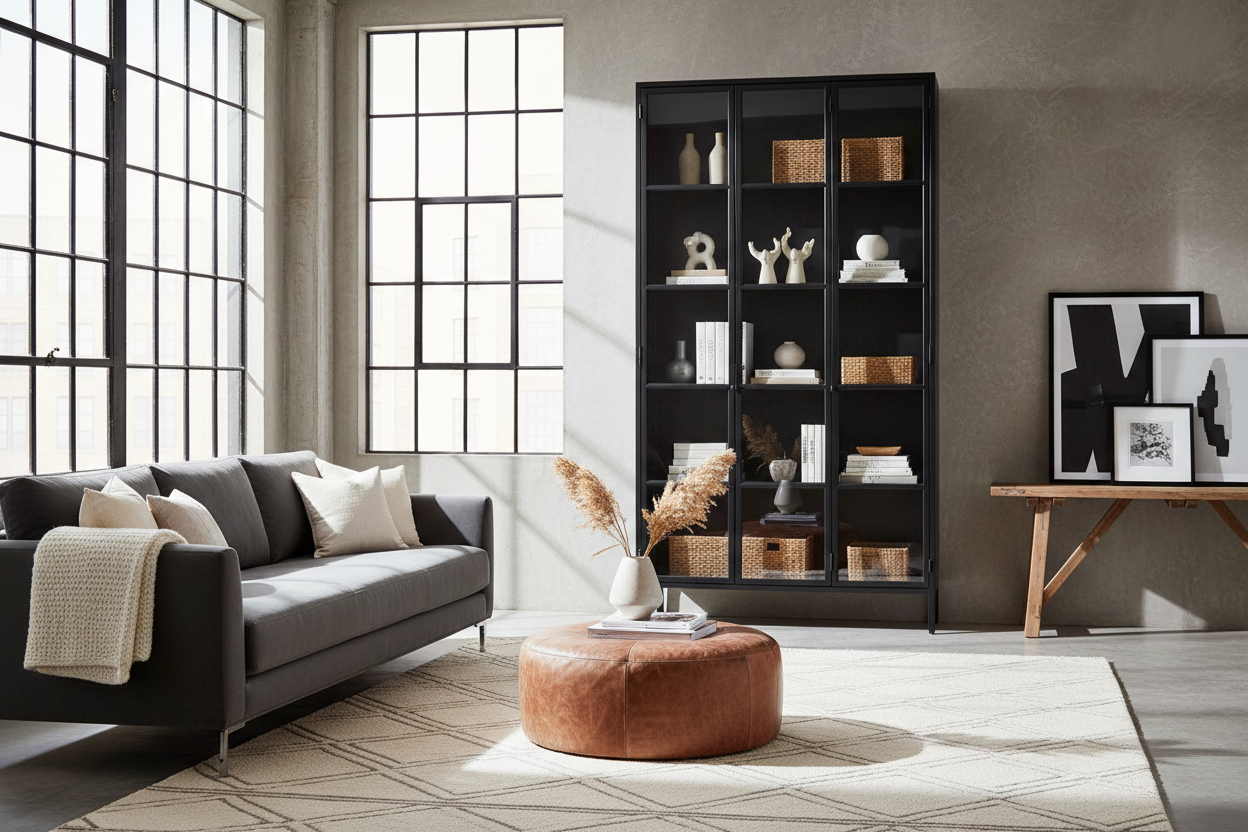
Placement is everything. Even with UV protection, you shouldn't put a museum glass box in direct afternoon sun. The visual weight is also a factor. A massive art display cabinet can overwhelm a small room. I found that tucking a corner display case into an underutilized nook was the best way to add protection without sacrificing the flow of the room. It’s about finding that balance between security and livability.
Assembly for these museum cases for sale is usually more involved than your average flat-pack. Expect heavy-duty hardware and precision-fit glass panels. I highly recommend having a second person to help hold the museum display glass while you secure the frame. It took me about two hours, but the result was a museum table display cases setup that felt solid enough to survive an earthquake.
The Verdict: Is the Archival Upgrade Actually Worth It?
At the end of the day, you have to ask what your peace of mind is worth. For me, the cost of a museum quality glass display cases was roughly equivalent to the value of the items I was trying to protect. If I had stayed with the cheap stuff, I’d eventually lose another heirloom to a dog tail or a clumsy guest. To me, that’s a bad investment.
The real win isn't just the safety; it's the lack of maintenance. I no longer spend my Saturday mornings with a microfiber cloth and glass cleaner, carefully dusting every tiny crevice of my collection. The museum exhibit cases do the work for me. If you’re tired of worrying about your 'good stuff,' making the jump to professional-grade museum display cases for sale is the best move you can make for your home and your history.
FAQ
Can I get custom museum display cases for a weirdly shaped room?
Yes, many manufacturers offer custom museum display case design. You can specify dimensions, glass thickness, and even the type of wood or metal used in the frame. It's more expensive, but it ensures a perfect fit for specific exhibit display case needs.
Are museum table top display cases better than wall-mounted ones?
It depends on the item. Museum table top display cases are great for things you want to view from all angles, like a sculpture. Museum wall display cases are better for saving floor space and keeping items at eye level.
How do I clean museum display shelves?
Use a high-quality glass cleaner and a lint-free cloth. Avoid ammonia-based cleaners if you have acrylic museum display boxes, as they can cloud the material. For glass art display cases, just keep the fingerprints off and the seals will handle the rest.


Leave a comment
This site is protected by hCaptcha and the hCaptcha Privacy Policy and Terms of Service apply.